
Lophyridia
Lophyridia
Description
How to identify
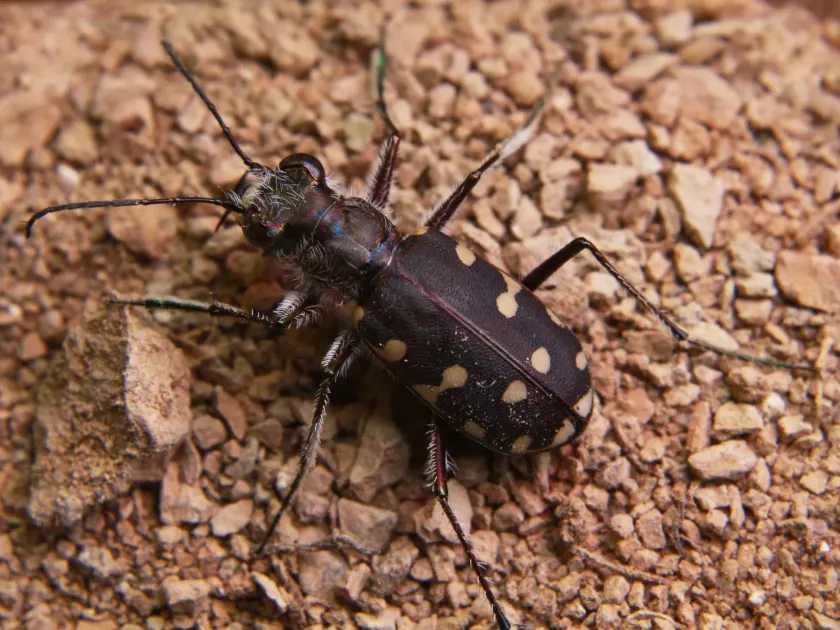
Lophyridia is a genus of predatory beetles belonging to the Carabidae family, closely related to tiger beetles. These insects are characterized by their sleek bodies, metallic coloration, and exceptional running speed.
Adult beetles are equipped with prominent mandibles, which they use to capture small invertebrates on the soil surface. Their large compound eyes provide excellent vision for detecting potential prey or threats.
The larvae are subterranean, inhabiting deep vertical burrows in sandy or loose soil. They possess a soft body, a dark head capsule, and specialized hooks on the abdomen that help them anchor within their tunnel.
The life cycle involves complete metamorphosis: egg, three larval instars, pupa, and adult. The duration of this development can vary significantly based on the environmental conditions and the availability of food sources.
While often beneficial as predators of other soil-dwelling pests, their biological habits sometimes bring them into conflict with agricultural production when their population densities increase.
What it damages
Lophyridia can occasionally act as an opportunistic pest. Although they primarily feed on other insects, the larvae may inflict mechanical damage to the roots of young crop plants in their search for resources.
When natural prey populations are low, larvae may feed on the tender root systems of germinating cereals, vegetables, or pulse crops, leading to inhibited growth and potential stand loss.
The direct damage involves chewing marks and the severing of fine root hairs, which significantly reduces the plant's ability to absorb water and essential nutrients from the soil.
Areas with sandy or light-textured soil are particularly susceptible to Lophyridia colonization, as these environments facilitate the construction of their characteristic vertical burrows.
Secondary damage often occurs when opportunistic soil pathogens enter the plant through the wounds created by the larvae, leading to root rot and systemic wilting of the seedlings.
When it appears
Adult beetles become active in early spring, as temperatures rise and the soil begins to dry, which is ideal for their surface hunting behavior.
The synchronization of larval activity with the sowing period of crops is the most critical time for monitoring potential damage to young plant roots.
Larvae remain active throughout the summer, though their surface-level presence remains minimal as they retreat into their burrows to escape heat and desiccation.
By autumn, as temperatures drop, larvae descend deeper into the soil profile to overwinter, remaining inactive until the following spring cycle commences.
Environmental factors like prolonged rain or heatwaves can influence the emergence timing and the metabolic activity of different life stages within the field.
Signs of infestation
The presence of Lophyridia is often identified by distinct, neat circular holes (about 3–5 mm in diameter) in the soil surface, appearing without typical ant-hill mounds.
Crop loss can be localized, with patches of stunted or wilting plants appearing shortly after emergence, often mistaken for other soil pest damage like wireworms.
Root inspection often reveals clear evidence of necrotic wounds or mechanical damage caused by the mandibles of the larvae when they are in close proximity to the rhizosphere.
Observations of fast-moving, shiny beetles running across the soil surface during sunny intervals provide a strong indicator of an established population in the area.
- Distinct small vertical holes in the soil.
- Patches of uneven crop emergence.
- Root system damage on young seedlings.
- Presence of metallic-colored fast-moving beetles.
Control measures
Cultural control via crop rotation and consistent deep tillage is highly effective in disrupting the larvae's tunnels and exposing them to natural predators.
Seed treatments with systemic insecticides offer a proactive defense, protecting the root zone during the critical early growth stage when plants are most susceptible to damage.
Soil-applied insecticides should be used judiciously, as Lophyridia can serve as an important predatory agent that helps manage other harmful insects in the field.
Maintaining optimal soil moisture through balanced irrigation can sometimes make the habitat less suitable for the construction of their burrows.
Monitoring population levels using soil traps or visual inspections of surface activity is essential for making informed decisions regarding potential interventions.
Taxonomy
- Latin name
- Lophyridia
- Order
- Coleoptera (beetles)
- Family
- Carabidae
- EPPO code
- LOPDSP
Discussion
No discussions yet — be the first.