
Rough periwinkle
Littorina saxatilis
Description
How to identify
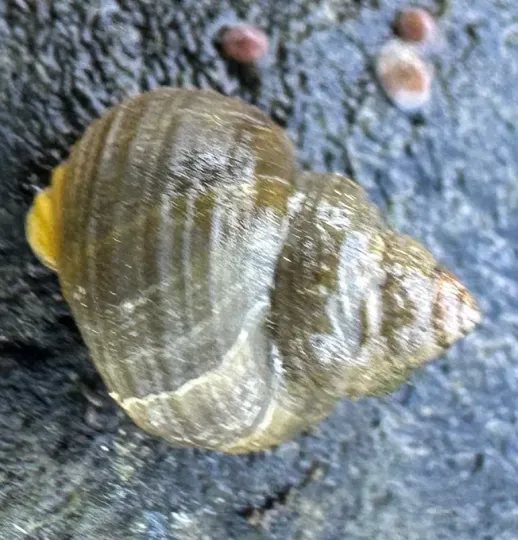
The rough periwinkle (Littorina saxatilis) is a small marine gastropod mollusk belonging to the Littorinidae family, commonly found in the intertidal zone.
Adults typically feature a robust, conical shell measuring 15–20 mm, varying in color from gray to dark brown or black, often with distinct spiral ridges.
Unlike many other marine snails, this species is ovoviviparous, meaning it gives birth to live young instead of releasing planktonic larvae into the sea.
Taxonomically, it is classified under the order Littorinimorpha. Its high degree of phenotypic plasticity allows it to adapt to various wave-exposed or sheltered rocky environments.
For agricultural assessment, identify these snails by their tendency to cluster in moist crevices or at the base of maritime plants during low tide.
What it damages
While primarily grazing on epiphytic algae, dense populations can cause significant feeding damage to the foliage of salt-tolerant or maritime plants.
The snails use a radula to rasp away the epidermis of leaves and succulent stems, creating visible scars that hinder photosynthesis.
Heavy feeding can lead to severe defoliation, particularly in young plants that lack the structural defenses of more mature coastal vegetation.
The physical wounds left by the radula act as entry points for secondary fungal and bacterial pathogens, exacerbating the overall damage to the crop.
In nursery settings near the coast, the presence of these mollusks can compromise the aesthetic and commercial value of ornamental maritime species.
Signs of infestation
Diagnostic signs include erratic grazing patterns on leaves, characterized by thin, whitish stripes or irregular blotches where the surface tissue has been removed.
Dried mucus trails found on the stems of plants or the surrounding soil are a clear indicator of recent activity by gastropod pests.
The physical presence of the snails themselves, often tucked away in shaded areas or moist soil pockets during the day, confirms an infestation.
Affected plants often show symptoms of stress, such as yellowing, stunted growth, and necrotic margins on leaves, reflecting the loss of tissue integrity.
In humid conditions, you may observe the snails actively feeding on the undersides of leaves or along the base of the plant stem.
Control measures
Copper tape barriers placed around pots or raised beds are highly effective, as the material creates a deterrent reaction that stops mollusks from crossing.
Sanitation is critical; removing decaying organic matter and debris reduces the available shelter and food source for periwinkle populations.
Application of eco-friendly molluscicides, specifically those containing iron phosphate, provides a targeted approach that minimizes impact on the wider coastal ecosystem.
Improving surface drainage can make the immediate environment less hospitable to moisture-dependent gastropods, reducing their colonizing potential.
For smaller areas, manual removal conducted during evening or high-humidity periods is a reliable method to manage population surges effectively.
Taxonomy
- Latin name
- Littorina saxatilis
- Order
- Molluscs
- Family
- Littorinidae
- EPPO code
- LITTSA
Discussion
No discussions yet — be the first.