
Littorina
Littorina
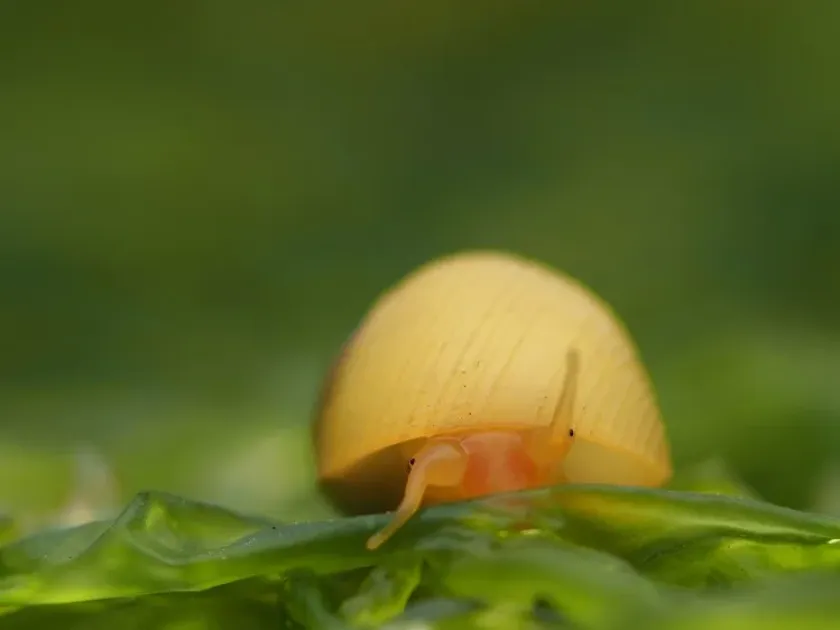
Description
How to identify
Littorina is a genus of small sea snails within the family Littorinidae. These gastropods are marine creatures that inhabit intertidal zones of oceans across the globe, and they are not typical agricultural pests under standard field conditions.
These snails possess a thick, spiral-shaped shell, which serves as a protective barrier against predators and dehydration during low tide. Their coloration is usually muted, often appearing in shades of brown, grey, or black to blend in with rocky substrates.
Biologically, these mollusks are strictly adapted to saline environments. They utilize gills for respiration, meaning they cannot survive for long periods in freshwater or standard soil environments lacking moisture and salt.
The life cycle involves a planktonic larval stage called a veliger, which drifts with ocean currents. Once they reach maturity, they settle on rocks and algae, where they remain to graze on biofilms and detritus.
In a farming context, these snails are only identified as a nuisance if seaweed fertilizers or marine sludge are applied to garden soil without proper washing or treatment, accidentally introducing them into the terrestrial habitat.
What it damages
Littorina snails are primary grazers, using a specialized organ called a radula to scrape microalgae and organic material off hard surfaces. They are not plant parasites by nature, but they may feed on young plant tissue if no other food is available.
Damage to crops manifests as scarred tissue on the surface of leaves or stems, where the snails have rasped away the epidermis. This can weaken young seedlings, potentially allowing secondary pathogens to enter the plant.
The primary concern is not the direct feeding, but the accidental introduction of salinity and foreign organic matter into the root zone. High salt concentrations can lead to osmotic stress in crops, hindering growth and nutrient uptake.
Damage is typically restricted to areas where large quantities of untreated marine compost or seaweed have been applied. The mortality rate of these snails in terrestrial gardens is very high, usually preventing large-scale infestation.
Farmers rarely record significant harvest losses from these organisms. Most instances of concern arise from the aesthetic damage to nursery stock or the negative chemical impact on soil fertility when using unrefined marine additives.
Control measures
The most effective strategy is the proper processing of organic marine materials. Seaweed and marine sludge must be thoroughly rinsed with fresh water to remove salt and marine organisms before being incorporated into the soil.
Drying marine-derived fertilizers in the sun for several days is a recommended practice. This process ensures the death of any hitchhiking gastropods and reduces the water content of the material, making it safer for storage and application.
For gardens susceptible to mollusk movement, creating physical barriers can be effective. Lime, wood ash, or crushed sand surrounding beds will prevent the snails from moving across the surface to reach your plants.
Deep plowing or mechanical soil cultivation after the application of marine compost ensures that any remnants of seaweed or potential pests are buried, where the terrestrial environment will quickly neutralize them.
Chemical control is generally unnecessary for this species. If a severe infestation occurs due to improper organic application, standard molluscicides containing iron phosphate are safe and effective solutions for managing gastropod populations.
Taxonomy
- Latin name
- Littorina
- Order
- Molluscs
- Family
- Littorinidae
- EPPO code
- LITTSP
Discussion
No discussions yet — be the first.