
Lionychus
Lionychus
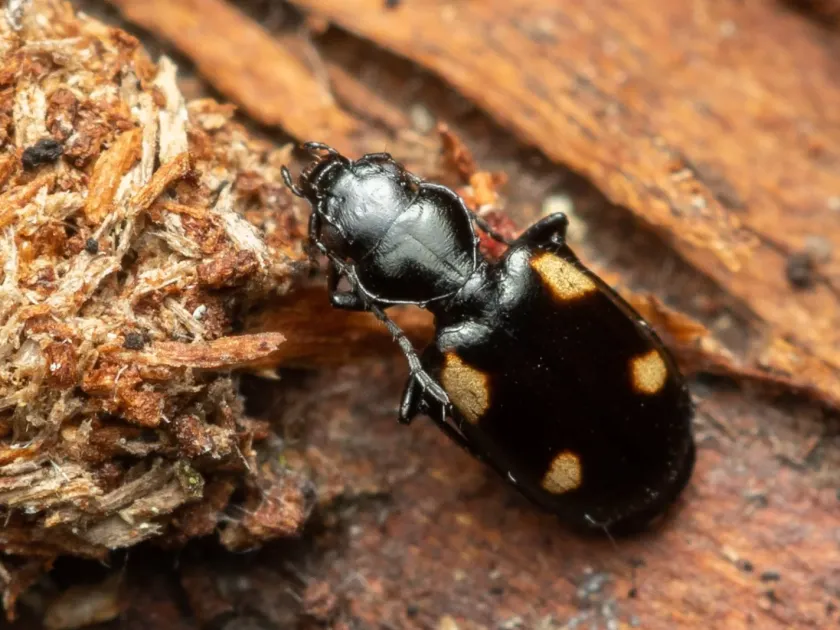
Description
How to identify
The genus Lionychus belongs to the family Carabidae (ground beetles), a group of insects known for their diverse roles in ecosystems and agricultural fields.
Adult beetles are typically small with an elongated body shape, allowing them to navigate efficiently within the soil structure and dense canopy of crops.
Their mouthparts are strongly developed and adapted for a predatory lifestyle, featuring sharp mandibles designed to grasp and consume small invertebrate prey.
The larvae, like the adults, are predatory and spend much of their time searching for food beneath debris or within small crevices in the soil surface.
Morphological identification of Lionychus often requires specialist knowledge of their genitalia and the microscopic structure of their wing covers.
What it damages
Contrary to the status of a pest, members of the genus Lionychus are recognized as beneficial predators in the agricultural landscape.
They contribute significantly to natural pest management by feeding on the eggs and larvae of various pests that affect cereal, vegetable, and field crops.
Any perceived damage to crops where these beetles are found is usually caused by other, more harmful insect species that serve as food for these predators.
They act as an important link in the food chain, regulating the populations of aphids, thrips, and other herbivorous insects that threaten the harvest.
Therefore, Lionychus should be considered an ally to the farmer rather than a target for pest control measures.
When it appears
The activity of these beetles begins in early spring as soon as temperatures rise, allowing them to emerge from their overwintering sites.
They remain active throughout the growing season, with peak numbers often aligning with the high availability of prey in mid-summer.
Development involves a complete metamorphosis, where eggs are laid in favorable soil conditions to ensure larvae have easy access to food sources.
As temperatures decrease in the autumn, adults seek shelter in deeper soil layers or among plant residues to survive the winter dormancy.
The lifecycle is well-adapted to the annual cycles of agricultural systems, ensuring the beetles are present when pest populations begin to increase.
Control measures
Because they are beneficial, no chemical control measures are directed at Lionychus, as killing them would disrupt the natural biological balance.
Farmers are encouraged to minimize the use of non-selective broad-spectrum insecticides to protect these natural enemies from chemical exposure.
Implementing Integrated Pest Management (IPM) practices is the most effective way to preserve Lionychus populations on commercial farms.
Maintaining field margins and avoiding intensive soil tillage can provide refugia for the beetles, supporting their survival throughout the season.
Regular scouting and precise pesticide application are essential to ensure that chemical treatments are only used when absolutely necessary.
Taxonomy
- Latin name
- Lionychus
- Order
- Coleoptera (beetles)
- Family
- Carabidae
- EPPO code
- LIONSP
Discussion
No discussions yet — be the first.