
Short-tailed bush-cricket
Leptophyes laticauda
Description
How to identify
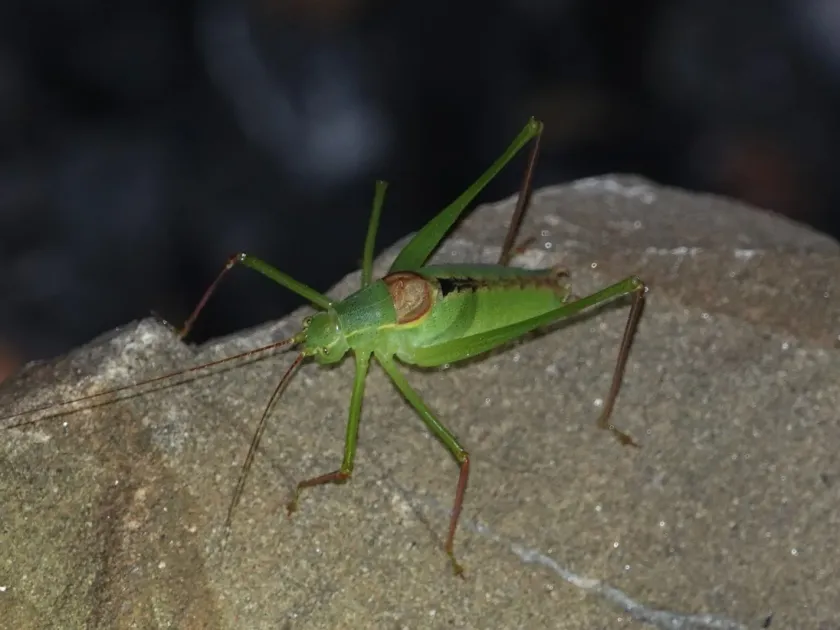
The short-tailed bush-cricket (Leptophyes laticauda) is a member of the Tettigoniidae family within the Orthoptera order. This insect is relatively small, typically measuring 10–15 mm in length, and is characterized by its bright green color, which provides excellent camouflage against green foliage.
A distinctive feature of this species is the specific morphology of the female's abdomen, which serves as a key identification mark. The antennae are very long, thread-like, and significantly exceed the body length, while the shortened wings make them incapable of sustained flight.
These insects are primarily nocturnal or crepuscular, meaning they are most active during twilight and nighttime. During the day, they remain hidden in thick bushes, tall grass, or tree canopies, making them difficult to detect without careful inspection.
Their life cycle involves incomplete metamorphosis. The species overwinters in the egg stage, with eggs laid inside plant tissues or bark cracks, providing a natural protection against harsh winter conditions.
Nymphs emerge in the spring and undergo several molting stages, gradually increasing in size. Throughout their development, they share the same dietary habits as adults, feeding on various parts of host plants.
What it damages
As a polyphagous insect, the short-tailed bush-cricket can damage a wide variety of plants. It is particularly known for feeding on fruit trees, ornamental shrubs, and occasionally vegetable crops, primarily targeting the foliage.
Feeding results in irregular, jagged holes in leaf blades. Young leaves are especially susceptible, as their softer tissue is easier for the insect to consume. This can reduce the overall photosynthetic capacity of the plant if the infestation is severe.
Beyond foliage, adults can cause significant damage to fruit buds and developing fruits. Feeding marks on fruit skin not only ruin the cosmetic appeal of the produce but also create entry points for secondary fungal and bacterial infections.
While an individual insect may not cause extensive damage, a high population density can lead to noticeable defoliation. In agricultural settings, this requires monitoring to ensure the damage does not impact the final harvest volume.
The persistence of these insects in garden environments often makes them a consistent, albeit low-level, threat that requires ongoing management during the active growing season.
Signs of infestation
The most common sign of infestation is the appearance of shredded or uneven leaf margins. Unlike caterpillars, which often consume large sections of the leaf, these bush-crickets leave behind rough, torn edges that look fragmented.
Droppings left on leaf surfaces or on the ground beneath the plant serve as a clear indicator of feeding activity. Using a flashlight at night is the most reliable way to spot the insects themselves while they are actively feeding.
Fruit damage usually appears as superficial skin lesions or shallow pits. Over time, these marks may turn brown and corky, which is a classic symptom of past feeding activity by orthopteran pests.
If foliage shows unexplained damage but no caterpillars are visible, it is recommended to inspect the plant's interior and nearby weeds, where these crickets hide during the daylight hours.
- Jagged, uneven holes in leaf blades.
- Surface pits and lesions on young fruit.
- Presence of insect frass on leaves.
- Active adults visible during night inspections.
Control measures
Management of the short-tailed bush-cricket relies on an integrated pest management (IPM) approach. Keeping fields and gardens free of dense weeds and overgrown shrubs helps reduce their habitat and food supply.
Chemical control should be implemented only when the pest population exceeds economic thresholds. Approved contact-stomach insecticides are effective, and application should be timed to hit the nymph stages early in the season.
Biological control methods include encouraging natural predators, such as birds, spiders, and various predatory insects. A balanced garden ecosystem can significantly suppress the cricket population without the need for intensive chemical spraying.
On a smaller scale, manual collection is a viable option. Checking plants during early morning hours, when the insects are less active and slower to move, allows for manual removal and destruction of the pests.
Regular scouting and early intervention are crucial. By monitoring the plants consistently from spring through summer, growers can detect increases in population density and apply control measures before the damage becomes extensive.
Taxonomy
- Latin name
- Leptophyes laticauda
- Order
- Orthoptera (locusts)
- Family
- Phaneropteridae
- EPPO code
- LPTPLA
Discussion
No discussions yet — be the first.