
Barbitistes obtusus
Barbitistes obtusus
Description
How to identify
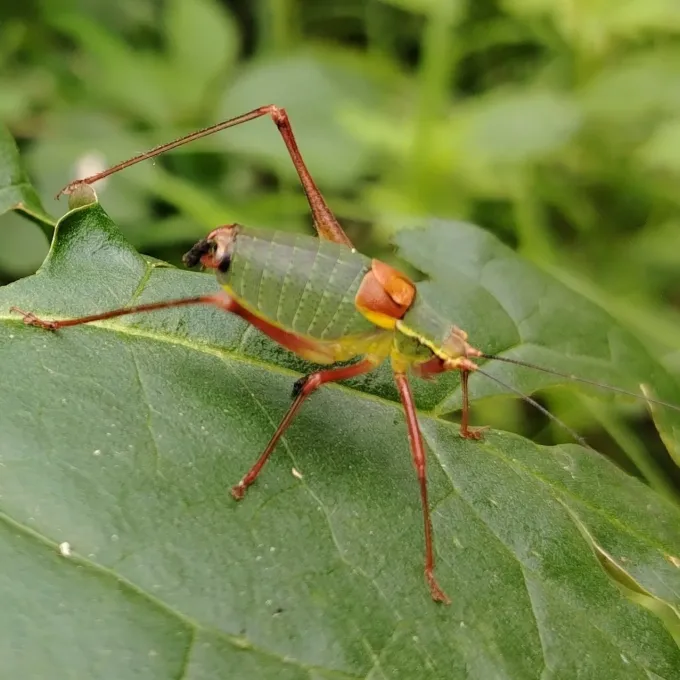
Barbitistes obtusus is a species of bush cricket belonging to the family Tettigoniidae. These insects are known for their distinct green coloration, which provides excellent camouflage while living in the dense canopy of trees and shrubs.
Adults typically measure between 15 and 20 millimeters in length. They possess long, thin antennae that are highly sensitive to their environment, and their body shape is elongated, typical for the subfamily Phaneropterinae.
The species is characterised by its flightless nature and specialized ovipositor in females, which is serrated at the tip for depositing eggs into plant tissues or bark crevices. They are primarily active during the summer months.
Despite being insects, they are often difficult to spot due to their stillness and perfect color match with foliage. They tend to spend most of their life cycle in the tree canopy, rarely venturing down to the ground level.
Their acoustic communication, produced by rubbing their wings together, is a notable feature, allowing males to attract females, particularly during the twilight hours of the summer season.
What it damages
The primary damage caused by Barbitistes obtusus is the consumption of leaves by both nymphs and adults. They use their strong mandibles to chew through leaf margins and surfaces, significantly reducing the plant's photosynthetic capacity.
These pests target a variety of broad-leaved trees and fruit-bearing plants. In orchard environments, they can cause notable damage to apple, pear, and plum trees by feeding on leaves and occasionally developing buds or fruitlets.
High populations can lead to significant defoliation, which stresses the host plant. This stress makes the trees more susceptible to environmental factors like heat, drought, or winter frost, potentially reducing the overall yield.
Young trees in nurseries are particularly vulnerable to this pest, as excessive feeding can hinder their structural development and growth. This necessitates a proactive approach to monitoring and control in young orchard plantations.
While an individual cricket might not cause catastrophic damage, a large group can strip foliage from branches within a short period, leaving the tree with an unsightly, ragged appearance that signals a need for intervention.
When it appears
Barbitistes obtusus completes one generation per year. The species overwinters in the egg stage, with eggs carefully deposited into tree bark, small branches, or occasionally soil near the base of the host tree.
Nymphs emerge in the spring, synchronized with the budburst of host trees. This ensures they have immediate access to fresh, tender foliage required for their development through several nymphal stages before reaching adulthood.
The adult phase typically occurs from mid-summer onwards, around July and August. This is the peak period for feeding and mating, and it is when the characteristic cricket sounds become most audible in the garden landscape.
As autumn arrives and temperatures drop, the adult crickets die off after ensuring the next generation is secured. The eggs remain dormant throughout the winter, protected from the cold by their placement.
Unusually warm and humid springs can accelerate the hatching and development of nymphs, potentially leading to higher pest pressure. Monitoring these weather patterns helps in predicting the severity of the infestation each year.
Signs of infestation
The most visible sign of infestation is irregular, ragged edges on leaves where the crickets have been feeding. Unlike some other pests, they often leave large, uneven holes throughout the leaf tissue.
- Ragged leaf margins and irregularly shaped holes.
- Audible chirping sounds in trees during summer evenings.
- Presence of insect frass (droppings) on leaves below feeding sites.
- Gradual thinning of the tree canopy as feeding progresses.
Close inspection of the branches, especially on the underside of leaves or within dense foliage, may reveal the crickets themselves. They often remain perfectly still when approached to avoid detection.
If you notice widespread leaf damage in mid-summer, examine the canopy closely. The presence of these bush crickets is usually confirmed by finding the insects resting on the twigs or leaves during the late afternoon.
Control measures
Effective control begins with good sanitation. Regular pruning of infested or damaged twigs helps remove the sites where eggs are deposited, effectively reducing the population for the following season.
Promoting a healthy garden ecosystem is a key biological control strategy. Encouraging insectivorous birds and other natural predators in the orchard can significantly reduce the need for chemical intervention.
In cases of high infestation, targeted application of appropriate insecticides may be necessary. It is crucial to choose products that are safe for beneficial insects and to apply them during times of day when bees are not active.
Autumn soil cultivation under the tree canopy can help destroy eggs that have fallen to the ground, serving as a preventative measure to limit the emergence of the next generation of nymphs in the spring.
Consistent monitoring during the growing season allows for early detection of pest activity. Addressing localized outbreaks quickly prevents them from spreading and minimizes the potential impact on tree health and fruit quality.
Taxonomy
- Latin name
- Barbitistes obtusus
- Order
- Orthoptera (locusts)
- Family
- Phaneropteridae
- EPPO code
- BARTOB
Discussion
No discussions yet — be the first.