
Leptophobia eleusis
Leptophobia eleusis
Description
How to identify
Leptophobia eleusis is a species of butterfly belonging to the Pieridae family within the order Lepidoptera. As a member of the pierid family, adults possess distinct morphological features common to the group, which facilitates their identification in the field.
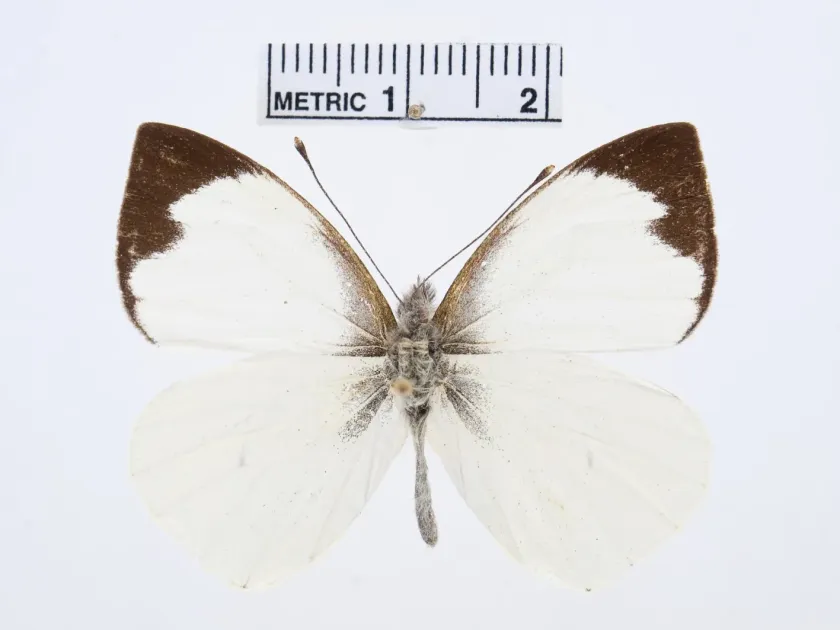
The wings of the adult are predominantly white, often featuring dark markings or borders that provide camouflage against flowering vegetation. The body is covered in fine hairs, and the antennae feature club-like tips, serving as key diagnostic characteristics for classification.
Larvae, or caterpillars, undergo several molts during their development, gradually increasing in size and exhibiting variations in pigmentation. During the early instars, they may be difficult to detect, but they become more apparent as they mature.
Pupae typically attach to the underside of leaves or plant stems using a silken girdle. Their cryptic coloration allows them to blend into the environment, protecting them from predators during the vulnerable metamorphosis stage.
The biology of this species is intrinsically linked to the phenology of wild and cultivated plants within the Brassicaceae family, making them a significant subject for agricultural monitoring.
What it damages
The primary hosts for Leptophobia eleusis larvae are plants within the Brassicaceae family. Damage is caused mainly during the vegetative phase, as larvae feed aggressively on the green foliage of the plants.
Affected crops include various types of cabbage, radish, turnip, and other cruciferous vegetables. Additionally, the pest may thrive on wild cruciferous weeds, utilizing them as a reservoir in the absence of cultivated crops.
Young plants are particularly susceptible to damage, as the destruction of the growing point or severe leaf loss can result in plant death. In later stages, caterpillars can skeletonize leaves, leaving only the larger veins behind.
The mechanical damage inflicted by the larvae often creates entry points for secondary pathogens, such as bacterial soft rot and various fungal diseases. This significantly reduces the quality and market value of the produce.
High population densities of Leptophobia eleusis can lead to substantial economic losses, sometimes destroying a significant percentage of the crop if left unmanaged.
Signs of infestation
The initial signs of infestation include the presence of egg clutches on the undersides of leaves. These eggs are usually laid in groups and are light-colored, becoming more visible just before hatching.
Leaves will show small, irregular holes that expand as the larvae grow. The presence of frass (caterpillar droppings) on the leaf surface is a reliable indicator of active feeding activity, even if the larvae are hidden.
Damaged plants may exhibit wilting or have jagged, tattered leaf margins. In cases of severe infestation, stems may become stripped of leaves, which is a clear sign of high-intensity grazing.
Frequent sightings of adult butterflies around crops during sunny days indicate a high likelihood of forthcoming larval activity. Visual inspections are crucial for early detection, which is key to effective control.
Leaf curling or deformation can also indicate the presence of larvae tucked away underneath or within the folded tissue. Regular scouting of the field will help identify these early warnings.
Control measures
Effective management of Leptophobia eleusis involves an integrated approach combining cultural, biological, and chemical methods. The foundation of control is the removal of alternative host weeds.
- Regular weeding and soil cultivation to disrupt lifecycle stages.
- Manual removal of egg masses and young larvae in smaller garden settings.
- Encouraging natural predators such as parasitic wasps.
- Application of biological insecticides containing Bacillus thuringiensis.
- Targeted chemical applications based on economic injury thresholds.
Crop rotation serves as a critical strategy to minimize populations, as it removes the necessary host plants for the pest's overwintering and development. Spatial isolation of cruciferous fields also provides significant protection.
Chemical control should be used judiciously, adhering to pre-harvest intervals to ensure the safety of the produce. Rotating insecticide modes of action is necessary to prevent the development of resistance.
Monitoring using pheromone or light traps allows for the precise determination of peak flight times. This timing ensures that interventions are applied during the most susceptible larval stages, maximizing efficiency and minimizing chemical footprint.
Taxonomy
- Latin name
- Leptophobia eleusis
- Order
- Lepidoptera (butterflies)
- Family
- Pieridae
- EPPO code
- LEPPEL
Discussion
No discussions yet — be the first.