
Aripa white
Leptophobia aripa
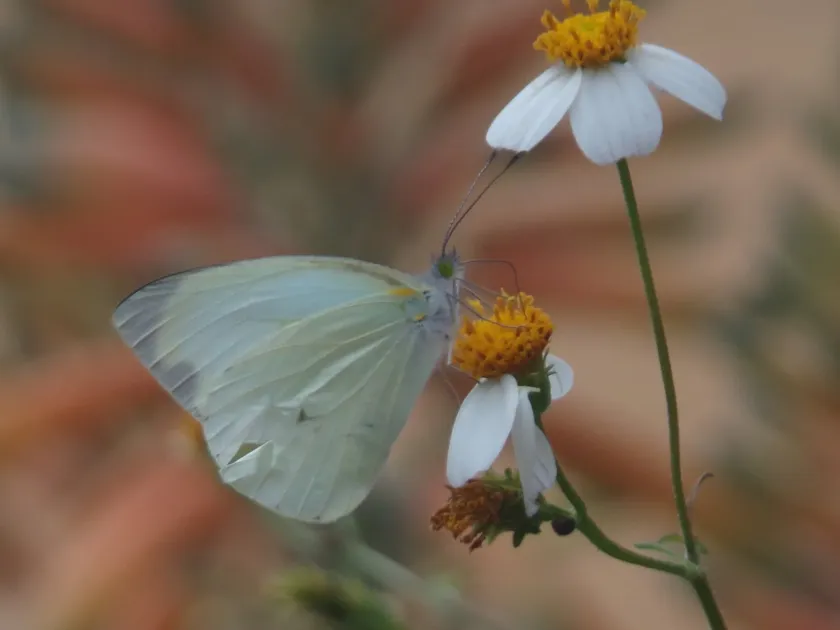
Description
How to identify
The Aripa white (Leptophobia aripa) is a butterfly species belonging to the family Pieridae within the order Lepidoptera. It is characterized by white wings with distinct dark markings on the margins, which is a common trait for many members of this family.
The adult butterflies exhibit sexual dimorphism, although identification in the field usually requires close observation of wing patterns. The larvae go through several developmental instars, gradually changing their appearance and size as they feed on host plants.
Eggs are typically laid in small, compact batches on the underside of host leaves, a behavior that allows for targeted monitoring. The pupal stage is often found attached to stems or protected areas near the field, completing the lifecycle.
The population dynamics of this pest are heavily influenced by environmental conditions, particularly temperature and humidity. Multiple generations can occur within a single growing season, leading to a rapid buildup of individuals in suitable habitats.
Field identification involves using sweep nets for adult collection and inspecting leaf surfaces for the presence of egg clutches or larvae. Understanding the timing of these stages is crucial for developing successful control strategies.
What it damages
The Aripa white primarily targets plants within the Brassicaceae (cruciferous) family. This makes it a significant pest for commercial production of various vegetables, including cabbage, kale, and broccoli, which are central to many agricultural systems.
The larvae are highly destructive, as they consume the leaf tissue of host plants with great intensity. This feeding behavior reduces the total photosynthetic area of the plant, which often leads to significant biomass loss and stunted development.
In addition to direct foliage consumption, the feeding damage often facilitates the entry of pathogens into the plant tissues. Bacterial and fungal infections can easily colonize these wounded areas, further damaging the crop and reducing yield quality.
Severe infestations can lead to total defoliation, leaving only the primary veins of the leaves. Such damage makes the vegetable product unmarketable, causing substantial economic losses for farmers who rely on high-quality produce.
Wild cruciferous plants often serve as alternative hosts, maintaining the pest population during periods when commercial crops are absent. This makes it necessary to manage the entire landscape to prevent constant pressure on new plantings.
When it appears
Adult activity is observed throughout the growing season, provided that temperatures remain within the favorable range for development. In tropical climates, the species can remain active and reproductive throughout the entire year.
The peak periods of damage often coincide with the active growth phases of the crop, such as leaf rosette formation or head development. Farmers should be particularly vigilant during these critical growth stages to prevent irreversible losses.
Environmental fluctuations significantly affect the lifecycle. While excessive rainfall can impact butterfly activity, standard agricultural conditions during the growing season typically support the rapid reproduction and development of this species.
Generations frequently overlap, meaning that all life stages of the pest can often be found on the plants simultaneously. This overlapping makes timing the application of control measures complex and requires consistent scouting.
Monitoring should be conducted regularly, as the appearance of adults can signify the start of a population spike. Data on pest presence helps in making informed decisions about the necessity and timing of interventions.
Signs of infestation
The most immediate sign of an Aripa white infestation is the presence of irregular holes in the leaf foliage. As larvae grow larger, these perforations increase in size and can lead to the near-total consumption of the leaves.
The presence of frass, which appears as small dark pellets on the leaf surface, serves as a clear indication of active larval feeding. Observing these signs is essential for identifying which areas of the field require immediate attention.
The presence of adults flying above the crop is a key behavioral sign. Butterflies actively seeking oviposition sites can be easily spotted during early morning or late afternoon inspections by field scouts.
Wilting and yellowing of foliage can also indicate damage to the plant's vascular system or extreme defoliation stress. These symptoms suggest that the infestation has reached a level that compromises the plant's health.
- Presence of egg batches on the lower leaf surface.
- Irregular holes and perforations in leaves.
- Accumulation of larval frass on foliage.
- Skeletal remains of leaves due to intense feeding.
- Observed adult butterfly flights over the fields.
Control measures
Agricultural practices such as crop rotation and spatial isolation are fundamental to managing this pest. By moving host crops to new locations, farmers can effectively disrupt the life cycle and reduce pest pressure on the land.
Weed management, specifically targeting wild cruciferous plants around field margins, is a vital control component. Removing these secondary hosts limits the pest's survival during periods between commercial planting cycles.
Biological control, including the use of products based on Bacillus thuringiensis, offers an effective and environmentally friendly way to control young larvae. This approach protects beneficial insects and maintains ecological balance.
Chemical control should be applied using a variety of insecticide classes to prevent the development of pesticide resistance. Timely applications when larvae are in the early instars ensure maximum effectiveness of the treatment.
Integrating monitoring, biological agents, and selective chemical applications forms an Integrated Pest Management (IPM) strategy. This holistic approach ensures sustainable production while minimizing the impact on the environment and non-target species.
Taxonomy
- Latin name
- Leptophobia aripa
- Order
- Lepidoptera (butterflies)
- Family
- Pieridae
- EPPO code
- LEPPAR
Discussion
No discussions yet — be the first.