

Pest · Lepidoptera (butterflies) · affects Wild cabbage, Tomato, Zucchini
Tomato pinworm
Keiferia lycopersicella
Description
How to identify
The tomato pinworm is a moth belonging to the family Gelechiidae. The adult moth is small, typically measuring about 10-12 mm in wingspan, with a greyish-brown coloration that provides camouflage.
The eggs are tiny, oval-shaped, and pale yellow, usually deposited on the undersides of tomato leaves. They are difficult to spot without using a magnifying lens.
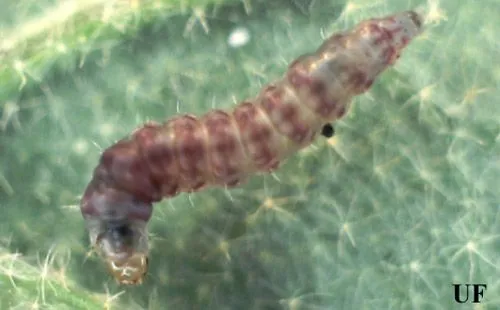
Larvae, or pinworms, change color as they mature, starting as light-colored caterpillars and developing into green or reddish-tinged individuals with dark heads.
The pupal stage occurs either in the soil or within folded leaf shelters. The pupae are dark brown, spindle-shaped, and represent the overwintering or dormant form of the insect.
The life cycle is highly dependent on ambient temperature, allowing the moth to complete multiple generations within a single season, particularly in warm environments.
What it damages
The primary host for this pest is the tomato plant, although it is known to infest other solanaceous crops such as potatoes, eggplants, and bell peppers.
In various regions, wild solanaceous weeds serve as secondary hosts, providing a reservoir for the population to survive when cultivated crops are not available.
Larvae damage plants by tunneling into leaves, creating visible mines that disrupt the plant's ability to perform photosynthesis, ultimately leading to leaf necrosis.
Fruit damage is the most severe economic impact, as larvae burrow into the fruit beneath the skin or deep into the flesh, rendering the product unmarketable.
Secondary infections, such as rot and fungal growth, often develop in the entrance holes created by the pinworms, further degrading the harvest quality.
When it appears
In temperate climates, the tomato pinworm is most active during the warmer summer months. However, in greenhouse environments, it can remain active all year round.
Activity usually commences in late spring as temperatures rise, allowing the first generation of moths to emerge and start reproducing on young foliage.
Peak populations typically occur during the height of the summer season when high temperatures accelerate the life cycle and increase egg-laying rates.
As the season progresses toward autumn, the larvae look for pupation sites to enter a state of dormancy or survive the winter in protective structures.
Greenhouse producers must remain vigilant throughout the winter if the facility is heated, as the pest can bypass natural seasonal pauses in these stable conditions.
Signs of infestation
The most distinctive sign is the presence of winding, serpentine-shaped mines on the leaves, often containing small piles of dark frass (insect excrement).
On the fruit, small, darkened pinprick-sized holes are visible, sometimes surrounded by slight depression or sunken areas indicating larvae tunneling.
Rolled or tied-together leaves, often secured with silk webbing produced by the larvae, serve as clear indicators of active infestations within the canopy.
Unexplained wilting or yellowing of the foliage can occur if the larvae have bored into the petioles or stems, cutting off the flow of nutrients to parts of the plant.
Monitoring using pheromone traps often reveals an increase in adult moth numbers well before extensive visual damage appears on the tomato plants.
Control measures
Managing the tomato pinworm requires an Integrated Pest Management (IPM) approach that emphasizes prevention and early detection.
- Strict sanitation by removing and destroying all crop debris immediately after harvest.
- Installing fine-mesh screens on greenhouse vents and doors to prevent adult migration.
- Using pheromone-baited traps to monitor and reduce the population of male moths.
- Releasing biological control agents, such as parasitoid wasps or predatory insects, to manage larval stages.
- Applying insecticides as a last resort, following all local regulations and safety guidelines for vegetable crops.
Inspecting all incoming seedlings is a critical preventative step, as the pest is frequently introduced to new areas via infested plant material.
Implementing crop rotation and maintaining a weed-free buffer zone around fields are essential strategies to reduce the overall pressure from this pest species.
Reference
Connections · Tomato pinworm
Most often together:
Marketplace
Products · 3

Biology
Taxonomy
- Latin name
- Keiferia lycopersicella
- Order
- Lepidoptera (butterflies)
- Family
- Gelechiidae
- EPPO code
- GNORLY
Community
Discussion
No discussions yet — be the first.