
Altenia
Altenia
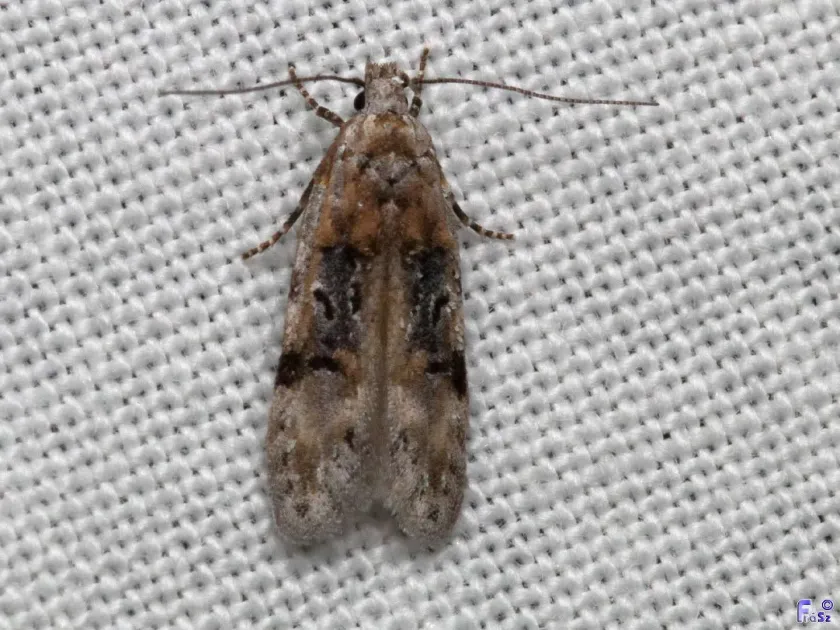
Description
How to identify
Altenia is a genus of moths belonging to the family Gelechiidae, which includes various species that act as significant agricultural pests worldwide.
The adult insects are characterized by a small size and slender wings that possess a distinct fringe, allowing them to blend into their environment effectively.
The larvae are typically slender and exhibit cryptic coloration, which helps them remain hidden within the plant tissue or protected leaf clusters during their development.
Identification of specific species within the Altenia genus often requires microscopic examination of genitalia due to their high morphological similarity to other gelechiid moths.
These insects prefer secluded habitats, often residing in the foliage of host plants or within the protection of buds, making them difficult to detect at early infestation stages.
What it damages
Larvae of the Altenia genus cause substantial economic losses by feeding on various plant parts, including leaves, buds, and young tender shoots.
By mining into the leaf mesophyll, the larvae significantly reduce the photosynthetic capacity of the plant, which negatively impacts overall vigor and growth rates.
Feeding damage to reproductive structures like buds and developing fruit leads to yield reduction and poor-quality produce, often making crops unmarketable.
The feeding activities also create entry points for secondary pathogens, such as bacteria and fungi, which can cause rotting and further crop decay.
High population densities of Altenia can lead to the widespread wilting of affected plants, often resulting in complete crop loss if left unmanaged during peak development.
When it appears
The life cycle of Altenia is strictly governed by local climatic conditions and the phenology of their preferred host plants in the field.
The first adult emergence typically aligns with the onset of warm spring weather, marking the beginning of the initial egg-laying period for the season.
Multiple generations can occur throughout the growing season, particularly in warmer climates where continuous host plant availability facilitates rapid reproduction.
Peak activity is generally observed during mid-summer, when temperatures are optimal for larval development and environmental conditions are stable.
The wintering phase usually takes place as a diapausing larva or pupa, hidden deep within soil crevices or beneath plant debris to withstand colder temperatures.
Signs of infestation
A primary indicator of an Altenia infestation is the presence of leaf mines, which appear as narrow, winding galleries within the leaf tissue.
Webbing and leaf rolling are common visual signs, as larvae often spin silk to pull leaves together, creating a protected micro-environment for feeding.
Frass (larval excrement) is often visible near the damaged tissue or at the base of rolled leaves, serving as a clear signal of active larval presence.
Wilting of terminal shoots and the drying of buds are often symptomatic of larval boring into the stems or reproductive clusters of the plant.
Regular visual inspections of the underside of leaves and growing tips are essential to detect the early signs of larval activity before they become severe.
Control measures
Effective management of Altenia requires an integrated approach that combines cultural practices, biological controls, and judicious chemical applications.
Cultural control measures, such as the removal and destruction of crop residues post-harvest, are highly effective at reducing the overwintering population.
Biological control, including the use of pheromone traps for monitoring and the introduction of parasitic wasps, provides sustainable suppression of moth populations.
Chemical control should be strictly timed to the most susceptible larval stages, utilizing systemic insecticides to ensure the target is reached within its protected habitat.
- Use pheromone-baited traps for early population detection.
- Implement crop rotation to break the pest's life cycle.
- Encourage beneficial predatory insects within the field.
- Apply biological pesticides based on insect pathogens during peak egg-hatch.
Taxonomy
- Latin name
- Altenia
- Order
- Lepidoptera (butterflies)
- Family
- Gelechiidae
- EPPO code
- ALTNSP
Discussion
No discussions yet — be the first.