
Hedgehog tick
Ixodes hexagonus
Description
How to identify
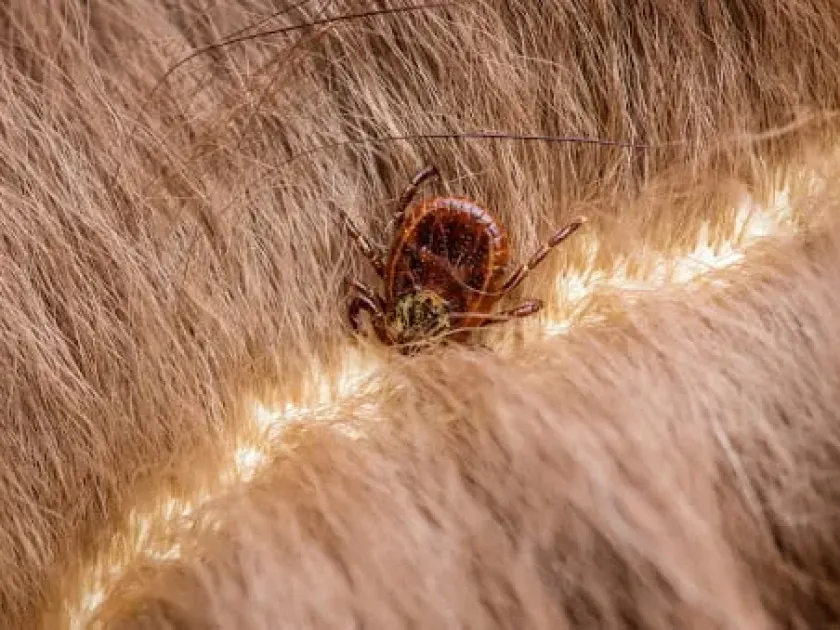
The hedgehog tick (Ixodes hexagonus) is a member of the Ixodidae family. As its name suggests, it is primarily associated with hedgehogs, but it also infests various other carnivores and pets.
Adult ticks have a distinctively hexagonal base of the gnathosoma. This feature is a key diagnostic characteristic used by entomologists to distinguish this species from other ixodid ticks.
The color of the tick ranges from light brown to deep reddish-brown. Females exhibit a significant increase in body size after taking a blood meal from their host.
This species is considered a nidicolous tick, meaning it spends most of its life cycle within the nests or burrows of its hosts rather than actively hunting in open fields.
Survival of the larvae and nymphs is highly dependent on humidity levels in the nesting environment. A stable microclimate is necessary for the successful completion of their development stages.
What it damages
The hedgehog tick is not an agricultural pest in terms of crop damage, but it is a significant veterinary pest. It negatively impacts the health of livestock, working dogs, and domestic animals.
Infestations can lead to skin irritation, local inflammation, and severe discomfort for the host. Persistent feeding by a large number of ticks may lead to systemic weakness and anemia.
This tick species acts as a vector for various pathogens. It has been associated with the transmission of Lyme disease and other bacterial or viral infections in susceptible animals.
Agricultural losses are primarily indirect, resulting from the cost of veterinary care, reduced productivity of livestock, and potential health risks to farm personnel working in tick-prone areas.
Managing tick populations on a farm is essential to maintain high standards of animal welfare and to prevent the spread of diseases among livestock populations.
When it appears
The activity of these ticks is largely determined by the local climate and temperature. Spring marks the beginning of their active period as temperatures rise above 5°C.
During the summer months, all stages of the tick cycle can be found active, provided that the humidity levels in the host environment remain sufficient for their survival.
The life cycle can take several years, depending on the availability of hosts and favorable micro-climatic conditions. Diapause occurs during the coldest months of winter.
Autumn conditions trigger a slowdown in biological processes. The ticks return to their shelters to survive the winter season, remaining in a state of reduced activity.
Fluctuations in weather, particularly severe drought or prolonged frost, can significantly impact the survival rates of the larval and nymphal populations in the field.
Signs of infestation
The most common sign of infestation is the physical presence of ticks on the host's body. They are typically found in areas where the skin is thin, such as the ears or the base of the neck.
Behavioral changes in the host, such as frequent scratching or rubbing against objects, indicate a reaction to the tick's bite and the associated saliva, which causes itching.
Physical signs on the animal include swollen, inflamed, or crusty skin at the attachment site. Secondary infections may occur if the animal frequently scratches the area.
General signs of health decline, such as lethargy, loss of appetite, and pale mucous membranes, may suggest a heavy infestation that requires professional medical evaluation.
- physical identification of ticks;
- scratching and skin irritation;
- inflammatory lesions at bite sites;
- reduced vigor and appetite.
Control measures
Effective control requires the use of acaricidal treatments, such as topical spot-on applications, sprays, or collars, to protect animals from tick attachment.
Maintaining a clean environment in animal shelters and removing debris from around buildings helps to reduce the survival rate of ticks within the nesting sites.
Managing the surrounding landscape, including brush clearing and vegetation control, limits the availability of habitats for hedgehogs and other wildlife that host the ticks.
Regular inspections of livestock and pets are critical to catch infestations early. Prompt removal of attached ticks prevents the development of larger lesions.
Integrated pest management strategies focusing on host monitoring and environmental modification are the most sustainable approaches to reducing tick pressure on a farm.
Taxonomy
- Latin name
- Ixodes hexagonus
- Family
- Ixodidae
- EPPO code
- IXODHE
Discussion
No discussions yet — be the first.