
Ixodes brunneus
Ixodes brunneus
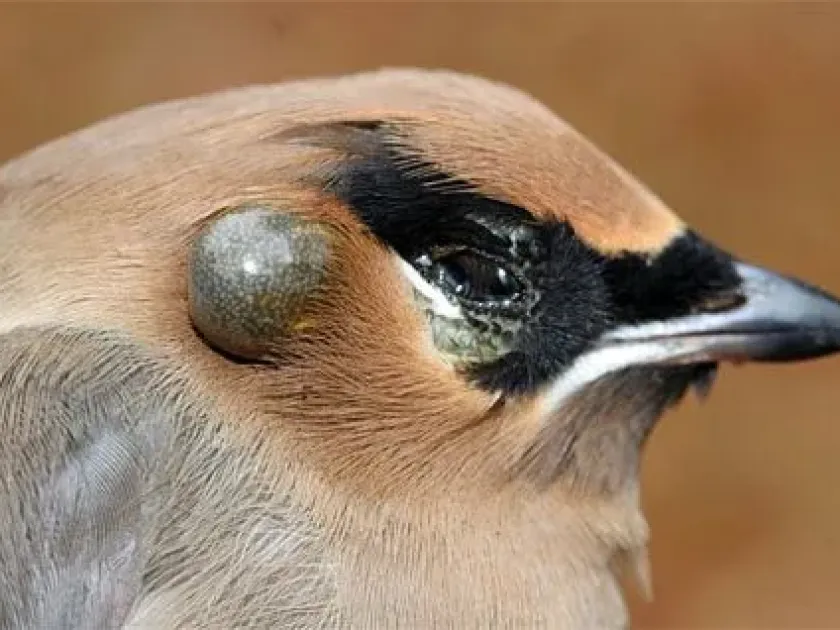
Description
How to identify
Ixodes brunneus, commonly referred to as a bird tick, belongs to the family Ixodidae within the order Parasitiformes. It is a highly specialized ectoparasite that has evolved to thrive specifically on avian hosts.
Adult ticks possess a characteristic brown coloration and a sclerotized shield, which provides structural integrity during the long feeding process on their hosts' skin.
Their morphological structure, including the hypostome used for attachment, is adapted for feeding on blood, which means they do not have the specialized mouthparts required to penetrate plant tissues.
Microscopic analysis is often required for precise identification, as they share morphological characteristics with other species within the Ixodes genus that also parasitize wild birds.
The tick's sensory system is finely tuned to detect the heat and chemical signals emitted by birds, which allows it to locate hosts efficiently in varied outdoor environments.
What it damages
Ixodes brunneus is not classified as a plant pest. It does not feed on vegetation, crops, or agricultural products, meaning it causes no direct damage to farm yields.
In an agricultural context, its presence is usually irrelevant to crop health, though it may be a concern for poultry farms where birds can become infested, leading to reduced vigor or potential disease transmission.
The tick utilizes vegetation as a staging ground to wait for its host, but it does not consume, damage, or affect the growth of the plants it climbs.
Economic damage in the agricultural sector is effectively non-existent regarding this specific species, as it does not interfere with the physiological processes of cultivated crops.
Consequently, there is no need for phytosanitary measures specifically targeting this species to protect crop health, focusing instead on animal health and public safety.
When it appears
The activity cycle of Ixodes brunneus is dictated by the nesting and migration patterns of its avian hosts, which are essential for the survival of the tick's various life stages.
During the spring and summer months, as birds become more active and start nesting, tick populations typically reach their peak activity and reproductive success.
Environmental conditions, particularly temperature and humidity levels in the soil or ground litter, play a critical role in the tick's ability to survive and transition between life stages.
Winter dormancy is common for this species, with ticks seeking refuge in protected areas such as bird nests, crevices in bark, or deep leaf litter to endure colder temperatures.
The duration and intensity of the active season depend heavily on local climate variations, ensuring the tick's lifecycle remains synchronized with the birds' availability.
Signs of infestation
The most reliable sign of an Ixodes brunneus infestation is the visual detection of ticks attached to the skin of wild or domestic birds during veterinary checks.
There are no indicators on agricultural crops, such as leaf discoloration or tissue necrosis, because the tick does not interact with the plant's metabolism.
Monitoring for this species is rarely performed in open fields; rather, studies are conducted in avian research or poultry facilities to ensure flock health.
The tick's presence can sometimes be inferred from the density of avian activity in a specific area, such as abandoned nesting sites or high-traffic perching spots.
In summary, since the tick is not a plant pest, standard agricultural scouting techniques for pests will not yield detections of Ixodes brunneus.
Control measures
Since Ixodes brunneus is not a crop pest, traditional agricultural pest management strategies like spraying crops with insecticides are neither necessary nor effective.
Control measures, where needed (such as around poultry facilities), focus on sanitation, including the removal of old bird nests and the management of high vegetation near buildings.
Application of acaricides is generally reserved for veterinary use on livestock or within poultry housing to prevent parasite outbreaks among the birds themselves.
Personal protective measures, such as wearing long sleeves and using appropriate repellents when working in dense vegetation, remain the primary defense for farm workers.
Maintaining a clean environment and limiting the accumulation of organic debris near facilities can significantly reduce the potential harborages for tick populations.
Taxonomy
- Latin name
- Ixodes brunneus
- Family
- Ixodidae
- EPPO code
- IXODBR
Discussion
No discussions yet — be the first.