
Ixodid ticks
Ixodes
Description
How to identify
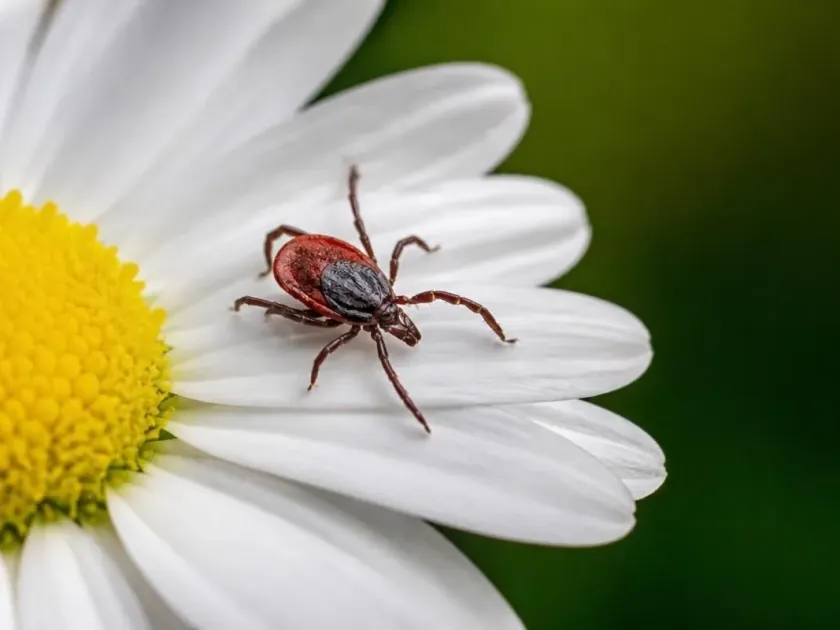
Ixodid ticks (genus Ixodes) belong to the order Parasitiformes and the family Ixodidae. They are distinguished by a hard dorsal shield, known as the scutum, which provides structural protection.
Adult ticks have a flat, oval body when unfed, typically measuring 2–5 mm. Once they attach to a host, they consume a blood meal, causing their bodies to engorge significantly, sometimes reaching over 1 cm in length.
The mouthparts consist of a barbed hypostome that functions like a harpoon, allowing the tick to penetrate the host's skin deeply and remain securely attached for several days.
The life cycle involves four stages: egg, larva, nymph, and adult. Each stage (except the egg) requires a blood meal to progress or to develop eggs, with the total life cycle spanning from one to several years.
While not plant pests in the traditional sense, these ticks are significant economic pests in agriculture because they act as vectors for various pathogens that threaten livestock health and productivity.
What it damages
Ixodid ticks do not consume plant tissues, but they cause severe agricultural damage by infesting livestock on pastures. Heavy infestations lead to physical exhaustion and anemia due to blood loss.
They are the primary vectors for devastating diseases such as bovine babesiosis (piroplasmosis), anaplasmosis, and theileriosis, which can cause significant mortality rates in cattle, sheep, and horses.
Even in the absence of severe disease, the presence of ticks results in reduced milk yield, slower weight gain, and diminished hide quality, directly impacting the profitability of farming operations.
Tick infestations necessitate expensive veterinary interventions, including frequent dipping or chemical treatments for the entire herd, which adds significantly to operational costs.
Furthermore, the presence of these parasites creates health risks for farm workers, often limiting safe access to grazing areas and requiring investment in personal protective equipment for field staff.
When it appears
Tick activity typically begins in early spring, as soon as ground temperatures consistently exceed 5°C, marking the onset of the grazing season for most livestock.
Population peaks usually occur during the warm and humid months of May and June, when the microclimate within the vegetation is ideal for ticks to climb up and quest for passing hosts.
During the peak of summer, activity often wanes due to heat and low humidity, but a second, smaller peak of activity is frequently observed in the late summer and early autumn as temperatures cool down.
Ticks prefer habitats with high relative humidity, such as tall grasses, forest fringes, and dense thickets, where they can maintain their water balance while waiting for a host to brush against the vegetation.
As winter approaches, ticks seek refuge in the soil litter or under the soil surface to undergo diapause, ensuring survival through harsh weather conditions until the next spring cycle.
Signs of infestation
The most direct sign of tick presence is the physical detection of attached engorged ticks on the skin of livestock, particularly in areas like the udder, groin, ears, and tail base.
Behavioral changes in the herd, such as excessive rubbing, restlessness, or social grouping behavior to minimize surface area exposure, often indicate a high density of ticks in the pasture.
Clinical symptoms of tick-borne infections include high fever, lethargy, loss of appetite, and discolored urine in infected animals, which are clear indicators of vector-borne disease transmission.
Field scouting using white fabric flags passed through the vegetation can reveal the presence of questing ticks, identifying high-risk areas before the herd is moved into the pasture.
A high density of small mammals, such as mice or voles, in the agricultural landscape often correlates with higher tick numbers, as these hosts facilitate the development of the tick population.
Control measures
The primary control measure involves the consistent application of acaricides to livestock, utilizing pour-on solutions, sprays, medicated ear tags, or systemic injections to prevent attachment.
Effective pasture management includes regular mowing and bush clearing, which reduces the moisture and cover necessary for tick survival, essentially making the environment less hospitable.
Strategic grazing rotation and excluding livestock from known high-risk, infested areas during peak activity periods can significantly reduce the incidence of tick-borne diseases.
Rodent control programs around farm buildings and pasture edges help break the life cycle of the tick, as small mammals are the main hosts for the larval and nymphal stages.
- Implement a strict veterinary monitoring program for early disease detection.
- Use physical barriers and protective clothing for field personnel.
- Apply perimeter spray treatments around high-density livestock enclosures.
- Conduct regular herd inspections after grazing periods to manually remove ticks.
Taxonomy
- Latin name
- Ixodes
- Family
- Ixodidae
- EPPO code
- IXODSP
Discussion
No discussions yet — be the first.