
Isthmocoris imperialis
Isthmocoris imperialis
Description
How to identify
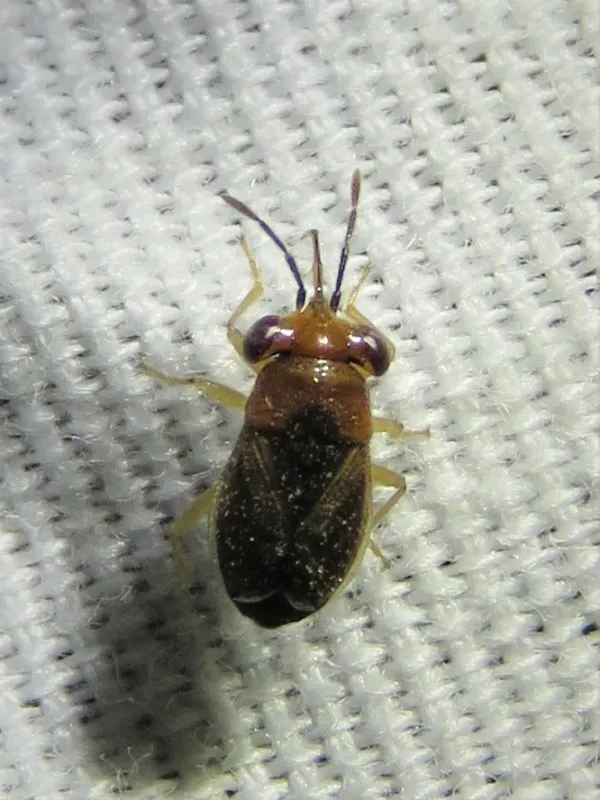
Isthmocoris imperialis is a species of true bug belonging to the family Geocoridae (big-eyed bugs). It is characterized by a small, oval-shaped body and notably large, prominent eyes that extend laterally from the head.
These insects are well-adapted to their environment, featuring a cryptic coloration that blends with the foliage and inflorescences of various host plants, making them difficult to spot during routine field surveys.
The life cycle involves incomplete metamorphosis, including egg, nymphal, and adult stages. They typically thrive in warm climates, preferring the microclimate provided by dense vegetation or crop canopies.
Biologically, these bugs are equipped with piercing-sucking mouthparts. While some members of this family are known as predators, Isthmocoris imperialis can cause direct physical damage to plants when feeding on their sap.
Understanding their behavior is crucial, as they often migrate into crops from adjacent wild grasses or weedy patches once the primary host plants reach specific phenological stages.
What it damages
The pest primarily targets a diverse range of crops, including cereals and vegetables. It focuses on the most vulnerable parts of the plant, such as developing buds, flowers, and immature fruits.
By piercing plant tissues, the bugs extract essential cell sap, leading to localized dehydration, tissue necrosis, and in severe cases, the abortion of flowers or fruit sets.
The damage often results in deformed fruit development, significantly reducing both the market value and the overall yield of the cultivated crop.
Furthermore, feeding wounds serve as entry points for secondary pathogens, including various fungal and bacterial infections that can spread rapidly throughout the crop stand.
The impact is most pronounced during dry periods, as plants are already under stress and lack the vigor to recover quickly from the cellular damage inflicted by the pests.
Signs of infestation
The primary symptom of infestation is the presence of tiny, pin-prick spots on leaves and petals, which eventually develop into necrotic lesions as the tissue dies off.
Wilting, yellowing, or the curling of young leaves are classic signs of feeding activity, often occurring in irregular patterns across the field where bug populations have clustered.
Physical inspection during the morning or late afternoon often reveals the bugs moving rapidly along stems or hiding within the bracts of inflorescences.
Tiny dark droplets of excrement on the leaf surface act as an indicator of a well-established colony, signaling that the pest has been active for some time.
Deformation of the fruit or grain heads is a late-stage diagnostic sign, indicating that the plant's reproductive development has been compromised by early-season feeding.
Control measures
Integrated Pest Management (IPM) is the most effective approach, beginning with rigorous field sanitation and the removal of weed hosts that harbor the pests during the off-season.
Chemical control should be implemented judiciously, utilizing selective insecticides that minimize harm to beneficial predators, particularly when population thresholds are exceeded.
Cultural practices, such as maintaining optimal soil moisture and balanced fertilization, can help plants withstand feeding pressure and recover from minor damage more effectively.
Biological control strategies should aim to preserve and encourage local populations of natural enemies, which can provide significant suppression of bug populations.
- Regular monitoring with pheromone or sticky traps.
- Strategic timing of planting to avoid peak migration periods.
- Crop rotation to disrupt the continuous cycle of the pest.
Taxonomy
- Latin name
- Isthmocoris imperialis
- Order
- Hemiptera (bugs, aphids, leafhoppers)
- Family
- Geocoridae
- EPPO code
- ISTHIM
Discussion
No discussions yet — be the first.