
Big-eyed bug
Geocoris
Description
How to identify
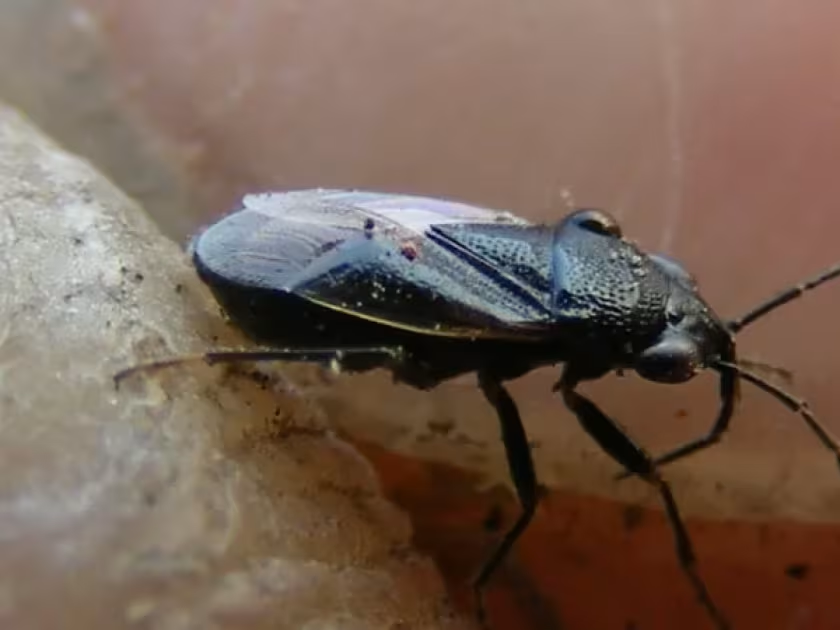
The big-eyed bug (Geocoris) belongs to the Geocoridae family within the order Hemiptera. These insects are easily recognized by their relatively large, bulging eyes, which are positioned prominently on the sides of their heads.
Adults are small, typically measuring 3 to 5 millimeters in length. Their coloration ranges from light brown to black, often featuring intricate patterns on their hemelytra (forewings), which helps them blend into their natural surroundings.
Nymphs resemble smaller, wingless versions of the adults. They undergo five instars before reaching maturity, with each stage showing a gradual increase in size and structural complexity.
They are primarily ground-dwelling insects, often found hiding in leaf litter, near the base of plants, or within the soil surface, where they can maintain their preferred microclimate conditions.
While many species are known as beneficial predators that feed on mites and aphids, they are facultative feeders that can switch to plant sap when prey availability is insufficient.
What it damages
Geocoris species cause damage to a variety of agricultural crops, including legumes like soybeans, cotton, and various vegetable plants. Both nymphs and adults contribute to the damage by piercing plant tissues with their mouthparts.
As they feed on the plant sap, they inject saliva that can lead to localized necrosis, wilting of the shoots, and deformity in developing leaves. The mechanical damage from feeding often serves as an entry point for pathogens.
Damage intensity increases during periods of drought or high heat. When natural prey populations decline, these bugs increasingly turn to host plants for hydration and nutrition, which can negatively affect overall crop yield.
Affected plants often show stunted growth, distorted foliage, and in cases of heavy infestation, significant yield loss due to the weakening of the plant's vascular system.
The presence of these bugs in high numbers during critical developmental stages of the crop, such as flowering or pod formation, can directly lead to aborted blossoms and reduced fruit quality.
When it appears
The activity of Geocoris begins in early spring as soon as soil temperatures reach favorable levels. Overwintered adults emerge from protected sites, such as crop residues, hedgerows, or soil crevices, to begin their breeding cycle.
They typically produce multiple generations per season, depending on the climate. The mid-summer period usually marks the peak population density, as nymphs become more active and numerous across the fields.
The life cycle is closely tied to environmental conditions, with warm, moist weather favoring rapid development and population growth. As temperatures fluctuate, the insects show high adaptability.
As the season draws to a close and days become shorter, adults seek out secure overwintering habitats to enter a state of diapause, effectively surviving the winter months until the next growing season.
Continuous monitoring during the peak summer months is essential, as this is when the cumulative impact of feeding on crops becomes most visible to farmers.
Signs of infestation
Identifying an infestation involves careful scouting of the field. Key signs include:
- Stippling or small, chlorotic spots on leaves resulting from the feeding punctures.
- Visual presence of nymphs and adults near the base of plants or on the underside of foliage.
- Premature wilting of young shoots that cannot be attributed to root issues.
- Distorted or crinkled leaves that indicate sap-sucking damage during early growth.
- General lack of plant vigor despite adequate irrigation and fertilization.
Control measures
Effective management of Geocoris requires an integrated approach. Cultural control, such as strict weed management around fields, is vital because weeds serve as alternative hosts and reservoirs for these bugs.
Crop rotation and deep tillage help disrupt the life cycle of the pest by destroying their preferred overwintering sites in crop debris and the upper soil layers.
Chemical control should be used judiciously and only when scouting indicates that populations have exceeded the economic threshold. Systemic insecticides are often more effective given the bugs' feeding habits.
Conserving natural enemies such as ground beetles and spiders is crucial. Since Geocoris also acts as a predator, broad-spectrum pesticides can be counterproductive by eliminating the beneficial insects that keep pest numbers in check.
Field monitoring using visual inspection or sweeping nets during the late vegetative stage allows for early intervention, reducing the reliance on heavy chemical applications and protecting the overall health of the agroecosystem.
Taxonomy
- Latin name
- Geocoris
- Order
- Hemiptera (bugs, aphids, leafhoppers)
- Family
- Geocoridae
- EPPO code
- GEOCSP
Discussion
No discussions yet — be the first.