
Geocoris decoratus
Geocoris decoratus
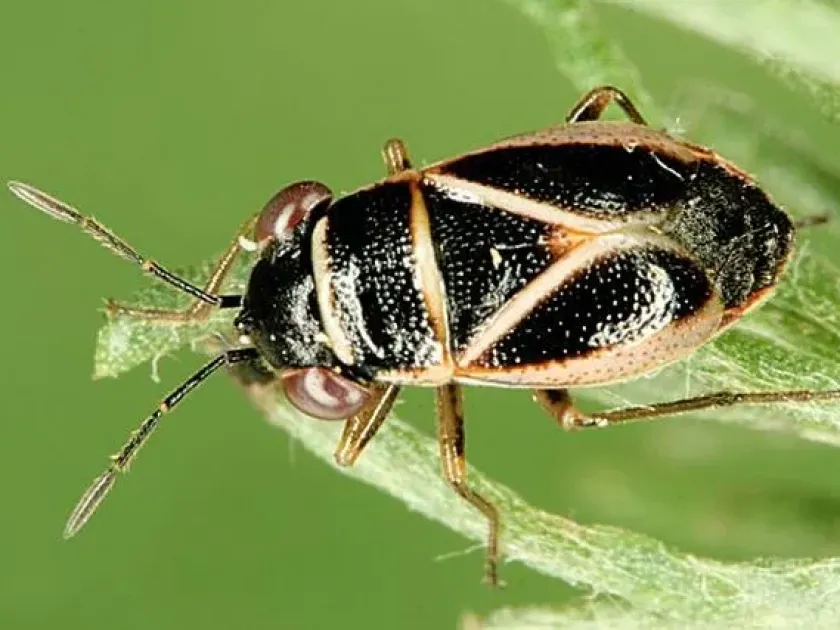
Description
How to identify
Geocoris decoratus belongs to the Geocoridae family, commonly known as big-eyed bugs, which are part of the order Hemiptera. The most prominent feature of this insect is its unusually large, bulging eyes, which provide a wide field of vision.
The adult bugs are relatively small, typically measuring between 3 to 5 millimeters in length. Their body color is generally dark, ranging from brown to black, often with distinctive light or reddish markings on the wings.
Nymphs of this species go through several growth stages and look like miniature versions of adults but lack fully developed wings. They are often found hiding in the lower parts of plants or in the soil debris.
While many species within this genus are recognized as beneficial predators of aphids and spider mites, Geocoris decoratus can exhibit facultative phytophagy, causing damage to plants when prey density is low.
Identification often requires field observation using a magnifying glass to check for the characteristic head shape and the positioning of the scutellum. Observing them during early morning hours increases the success rate of detection.
What it damages
As a facultative phytophage, this insect can cause direct damage to various agricultural crops, including vegetables, legumes, and industrial crops like soybeans. The damage is primarily linked to the bug's feeding habits.
Using their specialized mouthparts, these insects pierce plant tissues and suck out cell sap. This feeding process results in the formation of chlorotic spots, wilting, and overall stunted growth of the affected parts.
The severity of damage is significantly correlated with environmental stress, particularly drought. During dry conditions, the plant's moisture content is critical, and these insects aggressively target the plant sap to survive.
Feeding on young shoots and buds can lead to the malformation of leaves and the abortion of developing fruits. These lesions can also serve as entry points for secondary pathogens like fungi or bacteria.
Though they do not always cause economic damage, their feeding can reduce the overall health and yield quality of the crop, especially in high-density populations during sensitive stages of plant development.
When it appears
Adults of Geocoris decoratus overwinter in a state of diapause, typically sheltering under dry leaves, weeds, or in the upper layers of the soil to escape harsh winter temperatures.
As soon as temperatures rise in spring, the bugs emerge and start feeding on early-season weeds. These weeds provide the necessary energy for the first generation to multiply before moving onto commercial crops.
Peak population levels are generally reached during the summer months when environmental conditions are optimal for rapid reproduction. Multiple generations can occur within a single growing season depending on local climate.
By autumn, as daylight decreases and temperatures drop, the insects start seeking suitable overwintering sites. Their activity on the crops begins to wane as they prepare for the cold season.
Monitoring the seasonal emergence patterns is a crucial part of an integrated pest management strategy, as it helps determine the best timing for preventive or curative interventions.
Signs of infestation
The primary symptom of infestation is the appearance of tiny yellow or whitish spots on leaves, which may aggregate into larger patches of necrosis over time. The leaves may curl or look generally unhealthy.
Plant development may be visibly slowed, particularly in younger crops. If the bugs are feeding on reproductive structures, there may be a noticeable decrease in fruit set or flower development.
- Development of chlorotic patches on leaf surfaces.
- Stunted growth of new shoots and terminal buds.
- Presence of discarded nymphal skins on stems.
- Reduced overall vigor and leaf senescence.
- Malformations in fruits or beans.
Field inspectors can detect the presence of these bugs by shaking plant parts over a white cloth or using yellow sticky traps placed near the field edges, where the bugs often colonize first.
Careful differentiation between these bugs and other similar species is necessary, as not all big-eyed bugs are harmful to crops. Regular scouting is the best approach to ensure accuracy.
Control measures
Effective control of Geocoris decoratus relies on a combination of cultural and integrated practices. Keeping the field borders clean from weeds is an essential step to eliminate breeding sites.
Maintaining a healthy population of natural enemies, including spiders and predatory insects, is a fundamental component of the IPM strategy to help naturally suppress bug numbers below the economic threshold.
If chemical control becomes necessary, it is vital to select selective insecticides that minimize harm to beneficial insects and pollinators. Timing applications to avoid blooming periods is a best practice.
Tillage operations, particularly autumn plowing, are highly effective in disrupting the overwintering sites of the bugs, significantly reducing the population that emerges in the following spring.
Constant monitoring using traps and field inspections allows for targeted intervention. By reacting only when thresholds are exceeded, growers can achieve sustainable management and reduce unnecessary costs.
Taxonomy
- Latin name
- Geocoris decoratus
- Order
- Hemiptera (bugs, aphids, leafhoppers)
- Family
- Geocoridae
- EPPO code
- GEOCDE
Discussion
No discussions yet — be the first.