
Isthmocoris
Isthmocoris
Description
How to identify
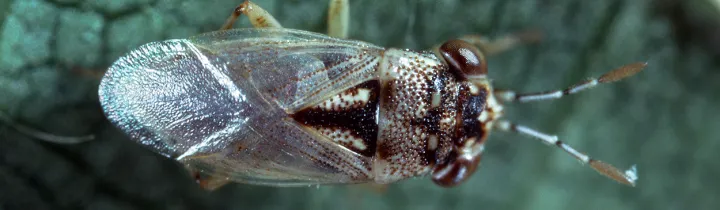
Isthmocoris is a genus of insects belonging to the family Geocoridae, commonly known as big-eyed bugs. They are characterized by a robust body structure and relatively large, prominent eyes.
Taxonomically, they are members of the suborder Heteroptera. The genus is distinguished by specific morphological traits, including the shape of the pronotum and the venation pattern of the hemelytra.
These insects possess piercing-sucking mouthparts, which are essential for feeding on the sap of host plants. Their size is typically small to medium, making them difficult to spot without close inspection.
The coloration of Isthmocoris species is generally dark, ranging from brown to black, providing effective camouflage against soil surfaces and plant stems.
Identifying these bugs in the field often requires examining the bases of plants or dense foliage where they tend to aggregate during the warmer parts of the day.
What it damages
Damage is caused by both adults and nymphs that feed on the fluids of various plant tissues, including leaves, stems, and sometimes developing reproductive organs.
They are known to target various cereal crops and grasses, extracting nutrients and causing physical disruption to the plant's vascular system.
During the feeding process, the insects inject saliva containing enzymes that cause localized necrosis, leading to yellowing or white spotting on affected leaves.
Severe infestations can lead to a significant decrease in plant vigor, reduced photosynthetic capacity, and overall stunting of crop development.
In cases where reproductive structures are attacked, the plants may fail to produce viable seeds, leading to yield loss and reduced quality of the harvested produce.
When it appears
The lifecycle of Isthmocoris is highly dependent on environmental conditions, particularly temperature and humidity, which dictate the speed of development.
Emergence from hibernation occurs in the spring as temperatures rise, signaling the start of the feeding cycle on early-stage crops and weeds.
Populations typically peak during the summer months, providing multiple generations if favorable climate conditions and food sources persist throughout the season.
The development of each generation is synchronised with the phenological stages of the host plants, ensuring maximum nutrient availability for growing nymphs.
As autumn approaches and temperatures drop, adults move to sheltered sites such as soil cracks or under plant debris to enter a state of diapause for the winter.
Signs of infestation
The primary indicators of an infestation include the appearance of small, chlorotic spots or stippling on the leaves, which are direct results of localized cell death.
Plants affected by these bugs may show symptoms of wilting or distortion, particularly in the younger, more tender parts of the plant's canopy.
Evidence of their presence can often be found in the form of minute dark fecal spots located on the underside of leaves or within the leaf axils.
A general decline in the health of the field, manifested as patchy yellowing and premature leaf senescence, is a common sign of heavy pressure from this pest.
Increased vulnerability to secondary pathogens can also occur, as the feeding wounds created by the bugs serve as entry points for fungi or bacteria.
Control measures
Cultural control measures, such as deep tillage after harvest, are effective at destroying the overwintering sites of the bugs and reducing initial population pressure.
Strategic crop rotation is highly recommended to disrupt the life cycle of the pest by ensuring that their preferred host plants are not consistently available.
Chemical control should only be implemented following a thorough field assessment to determine if the population density has exceeded the economic threshold.
Maintaining clean field borders by removing weeds and wild grasses helps minimize the reservoir areas where these bugs thrive before moving into the main crop.
Integrated Pest Management (IPM) practices, including the preservation of natural predators and the use of biopesticides, are preferred for sustainable long-term population suppression.
Taxonomy
- Latin name
- Isthmocoris
- Order
- Hemiptera (bugs, aphids, leafhoppers)
- Family
- Geocoridae
- EPPO code
- ISTHSP
Discussion
No discussions yet — be the first.