
Hyalomma truncatum
Hyalomma truncatum
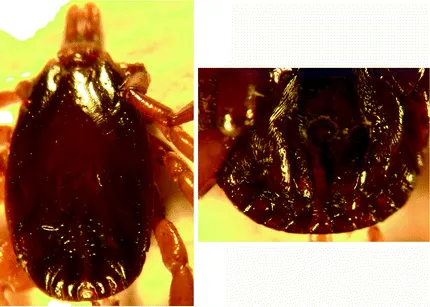
Description
How to identify
Hyalomma truncatum is a hard tick belonging to the Ixodidae family, characterized by its dark-brown to blackish coloration and distinctive striped legs.
The species is well-adapted to arid and semi-arid environments, utilizing its robust physiology to survive extreme temperatures and long periods between feeding cycles.
Adult ticks possess specialized mouthparts that enable deep attachment to the host's skin, which is essential for obtaining the large blood meals required for survival and reproduction.
The life cycle involves three stages—larva, nymph, and adult—with each stage requiring a blood meal from a vertebrate host to develop into the next phase.
Due to their size and coloration, these ticks are often difficult to spot on dark-coated animals until they have engorged significantly after feeding.
What it damages
Hyalomma truncatum primarily parasitizes livestock, including cattle, sheep, goats, and horses, causing significant stress and health degradation in herds.
Direct damage includes anemia, weight loss, and reduced milk production, all of which contribute to substantial financial losses for livestock farmers and meat producers.
The tick is a primary vector for pathogens such as those causing bovine theileriosis, which can lead to high morbidity and mortality rates within infected populations.
Their saliva contains potent toxins that can induce paralysis in livestock, a condition often referred to as tick paralysis, which may lead to irreversible neurological damage.
Repeated bites create open wounds that become susceptible to secondary infections, such as myiasis or bacterial abscesses, further compromising the animal's physical condition.
Signs of infestation
Visual identification of ticks on the host is the primary sign of infestation, specifically in areas with thin skin such as the perineum, udder, and axillary regions.
Infected animals exhibit constant irritation, often rubbing against fences or objects, which leads to hair loss and skin abrasions in localized areas.
Signs of systemic poisoning, resulting from toxin injection, include uncoordinated movement, muscle weakness, lethargy, and a marked decrease in appetite.
Local lesions, including necrotic ulcers and significant swelling at the attachment sites, often persist even after the tick has been removed or dropped off.
Pale mucous membranes are a common clinical sign of heavy tick loads, indicating severe blood loss and anemia due to persistent parasitism.
Control measures
Effective management requires the strategic application of acaricides via spray, dip, or pour-on formulations to eliminate existing tick populations on livestock.
Pasture management practices, such as clearing brush and rotational grazing, are essential to disrupt the habitat where ticks wait for potential hosts.
Livestock owners should implement rigorous inspection protocols and use insecticide-impregnated ear tags to provide continuous protection against infestation.
Quarantine and treatment of new animals entering the herd prevent the introduction of ticks to previously clean grazing lands or facilities.
- Use of biological control agents to reduce tick populations in the environment.
- Regular monitoring of tick density on pastures during the warmer seasons.
- Supportive veterinary care to treat the effects of tick-borne toxins and secondary infections.
Taxonomy
- Latin name
- Hyalomma truncatum
- Family
- Ixodidae
- EPPO code
- HYAMTR
Discussion
No discussions yet — be the first.