
Hyalomma marginatum
Hyalomma marginatum
Description
How to identify
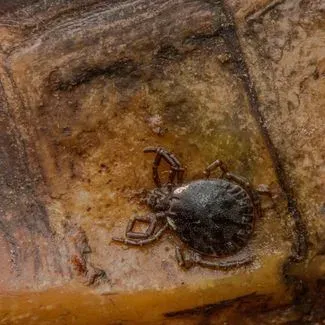
Hyalomma marginatum is a prominent species of ixodid tick belonging to the family Ixodidae. It is known for its relatively large size and striped legs, which make it easily recognizable in the field.
Adult ticks exhibit a dark brown coloration. The females, upon engorging with blood, become significantly distended and can reach a substantial size, impacting their host's overall health.
This tick species possesses well-developed eyes, allowing it to actively track potential hosts across open terrain. This active hunting behavior distinguishes it from many other passive tick species.
The life cycle involves three stages: larvae, nymphs, and adults. Each stage requires a blood meal from a vertebrate host, ranging from small rodents and birds to large cattle.
They are particularly adapted to dry and hot climates, making them a major concern for agricultural regions in Southern Europe, the Middle East, and parts of Asia.
What it damages
The primary damage caused by Hyalomma marginatum is the severe impact on livestock health, including cattle, sheep, goats, and horses, through blood loss and skin irritation.
Beyond physical damage, the tick acts as a biological vector for various pathogens, most notably the Crimean-Congo Hemorrhagic Fever virus, which poses a severe zoonotic risk.
Host animals frequently suffer from skin lesions, which can lead to secondary bacterial infections, abscesses, and systemic weakness, resulting in decreased livestock productivity.
Heavy infestations lead to anemia, lethargy, and suppressed growth in young animals, causing significant economic losses to farmers through reduced meat and milk yields.
Repeated bites cause chronic inflammation, forcing animals to expend energy on stress-related behaviors rather than weight gain or milk production.
When it appears
The activity of Hyalomma marginatum typically begins in early spring, as rising temperatures trigger the emergence of adults from their wintering sites in the soil.
Summer is the peak season for infestation, as this species is highly heat-tolerant and thrives in dry, sunny environments that would otherwise be unfavorable for other ticks.
Larval and nymphal stages are most active during the warmer summer months, frequently utilizing migratory birds as hosts for dispersal across larger distances.
As the weather cools in late autumn, the tick's activity declines, though they remain present until the onset of consistent, hard frosts which force them into diapause.
Understanding these seasonal windows is critical for implementing preventive measures, such as adjusting grazing schedules to avoid peak tick exposure.
Signs of infestation
Signs of infestation include visible restlessness in the herd, with animals frequently rubbing their bodies against trees, fences, or other structures to alleviate irritation.
Upon physical inspection, ticks are typically found attached to areas with thin skin or less hair coverage, such as the groin, udder, axilla, or inner thighs.
Dull, matted, or patchy hair coats in cattle, combined with a loss of body condition or unexplained weight loss, are strong indicators of a parasitic burden.
The observation of feverish behavior or localized swelling and inflammation in the herd warrants an immediate check for ectoparasites.
If tick numbers are high, livestock may exhibit a general state of malaise and reluctance to graze, leading to an overall decline in farm output.
Control measures
Effective control relies on a multi-faceted approach, starting with the application of acaricides via dips, sprays, or pour-on treatments for all animals in the herd.
- mechanical removal of tall vegetation on pastures to reduce tick habitats;
- use of specialized insecticide-impregnated ear tags for livestock;
- implementing strict quarantine procedures for new animals entering the farm;
- regular veterinary inspections to monitor tick populations;
- biological control measures, such as maintaining healthy local ecosystems that support natural tick predators.
Managing the surrounding environment is essential; keeping pastures clean and minimizing brush growth restricts the areas where these ticks can successfully shelter.
Personal protection for farm workers, including proper clothing and repellent usage, is mandatory to prevent the transmission of tick-borne zoonotic diseases during routine animal husbandry tasks.
Taxonomy
- Latin name
- Hyalomma marginatum
- Family
- Ixodidae
- EPPO code
- HYAMMA
Discussion
No discussions yet — be the first.