
Hyalomma
Hyalomma
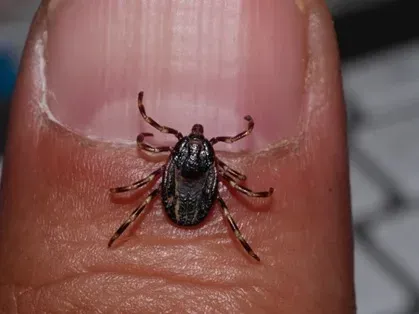
Description
How to identify
The genus Hyalomma belongs to the family Ixodidae, commonly known as hard ticks. These are large, robust ticks recognized by their ornate scutum and long, agile legs that facilitate movement on vegetation.
A distinctive feature of this genus is the presence of eyes on the lateral margins of the scutum, which distinguishes them from many other tick species and assists them in locating hosts.
Adult ticks typically exhibit a dark brown to black coloration, often with characteristic light-colored or yellowish rings on their legs, serving as a reliable identification trait.
Their life cycle consists of three developmental stages: larva, nymph, and adult. Each active stage requires a blood meal from a vertebrate host to progress to the next phase.
These ticks are remarkably resilient, capable of surviving for long periods without a host, which allows them to thrive in arid and semi-arid environments where other species might perish.
What it damages
While they do not feed on plant tissue, Hyalomma ticks are significant pests in the agricultural sector, primarily affecting livestock health and productivity.
They parasitize cattle, sheep, goats, and horses, causing physical trauma, blood loss, and constant irritation, which significantly stresses the animals.
Infestations often lead to weight loss, reduced milk yields, and lower quality hides, causing direct economic losses for farmers and ranchers.
Tick bites create entry points for secondary infections, such as bacterial dermatophilosis, which can lead to abscesses and other health complications in the herd.
Most importantly, these ticks serve as vectors for various pathogens, including viruses that cause Crimean-Congo hemorrhagic fever, posing a severe threat to both animal and human health.
When it appears
The activity of Hyalomma ticks is heavily influenced by environmental temperature, with the spring warming marking the beginning of their questing period.
Summer months usually represent the peak of infestation intensity, as rising temperatures stimulate high activity levels among adult ticks waiting on tall grass or shrubs.
The seasonal decline of activity typically begins in late autumn, although mild weather conditions may allow for extended periods of parasite aggression.
Winter is generally spent in diapause, with ticks seeking refuge in soil cracks, rodent burrows, or within livestock shelters to escape freezing temperatures.
Predicting the infestation risk involves monitoring local weather patterns, as sudden humidity spikes or heatwaves can cause rapid changes in the tick population dynamics.
Signs of infestation
The first indicator of a tick infestation is the altered behavior of livestock, which often includes frequent rubbing against fences or trees and excessive tail twitching.
Direct inspection of the animals often reveals attached ticks, particularly in areas with thinner skin such as the groin, udder, ears, and under the tail.
The site of the tick attachment is frequently characterized by inflammation, localized swelling, and potential ulceration due to the tick's saliva and mechanical damage.
General lethargy, loss of appetite, and a dull, unkempt coat in animals during the grazing season can also point to high parasite burdens within the herd.
The presence of crawling ticks on pasture fences or near water sources is a clear sign that the environment is currently hosting an active population of these pests.
Control measures
Effective management relies on a combination of chemical control, including the application of acaricides via pour-on treatments, sprays, or dipping tanks.
Maintaining clean livestock facilities through regular cleaning and the application of residual insecticides is essential to reduce the tick population within shelters.
Acaricidal ear tags provide long-term protection for cattle by slowly releasing active ingredients that prevent tick attachment and feeding.
Strategic pasture rotation is a vital tool, as it denies the ticks a constant host source, thereby reducing the survival rate of the larval and nymphal stages.
- Strategic use of systemic acaricides.
- Regular pasture maintenance and brush clearing.
- Quarantine procedures for new livestock arrivals.
- Use of biological acaricides in endemic zones.
- Consistent monitoring using cloth drag sampling methods.
Taxonomy
- Latin name
- Hyalomma
- Family
- Ixodidae
- EPPO code
- HYAMSP
Discussion
No discussions yet — be the first.