
Heterotoma planicornis
Heterotoma planicornis
Description
How to identify
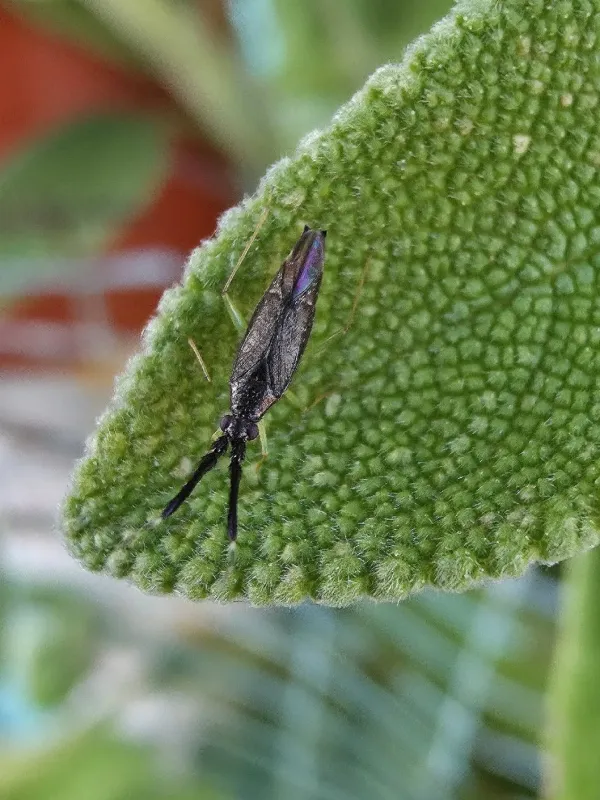
Heterotoma planicornis is a species of plant bug in the family Miridae. These insects are small, typically measuring 5–6 mm in length, and exhibit a greenish-yellow to dark green coloration.
The most distinctive morphological feature of this species is the thickened, flattened first segment of the antennae, which is covered in stiff black hairs, a characteristic that aids in species identification.
The body is elongated and covered with fine, pale pubescence. Adults have fully developed wings and are capable of flight, allowing them to disperse efficiently throughout orchard environments.
Nymphs resemble the adults but are smaller, wingless, and often found on the underside of leaves, where they move with considerable agility to avoid predators or unfavorable light.
Widely distributed across Europe, this insect is commonly associated with various deciduous trees and shrubbery in both wild and cultivated landscapes.
What it damages
This species is known to cause damage to various fruit crops, including apple, pear, cherry, and plum trees. While primarily a predator of aphids and mites, it can switch to plant feeding.
When the population density of prey is low, or during periods of high bug activity, Heterotoma planicornis feeds on the sap of young leaves, flower buds, and developing fruit.
Feeding damage typically manifests as necrotic spots, deformation of leaf tissues, and general stunted growth of the shoots, which can significantly affect the vitality of the plant.
In cases of severe infestation, especially in nurseries, the distortion of terminal shoots hinders normal crown development, leading to potential long-term losses for the grower.
The economic importance of the damage is often variable, as the bug's role as a predator often offsets some of the negative impacts it causes by feeding on plant tissues.
When it appears
The life cycle is univoltine, meaning there is only one generation per year. The insect overwinters in the egg stage, with eggs embedded in the bark of young tree branches.
Nymphs hatch in the spring, typically coinciding with the bud-burst stage of fruit trees, which provides an immediate source of food for the emerging population.
The nymphal stage lasts through late spring and early summer. During this time, they are highly active and rely on continuous feeding to reach the adult developmental stage.
Adults emerge starting in June and remain active throughout the summer months until September, when mating and egg-laying for the next season occur.
Developmental rates are closely tied to ambient temperature, with warmer spring conditions often resulting in earlier and more synchronized hatchings of the population.
Signs of infestation
The primary indicators of infestation include curled or distorted leaves accompanied by small, pale punctures resulting from the bug’s piercing-sucking mouthparts.
Direct observation of the nymphs on the lower surface of leaves or along stems is the most reliable way to confirm the presence of the pest in the orchard.
- Necrotic tissue spots on young fruit or ovary development.
- Stunting and twisting of terminal shoot growth.
- Presence of green nymphs on foliage during spring.
- Cast-off exoskeletons left on the leaves after molting.
The damage caused is often subtle and can be mistaken for symptoms of viral or fungal infections, making it essential to perform careful visual inspections.
Growers should monitor the foliage during the morning hours, as this is when Heterotoma planicornis is most visible and actively feeding on plant tissues.
Control measures
Management of this pest should prioritize an Integrated Pest Management (IPM) approach to avoid disrupting the balance of beneficial predators in the garden ecosystem.
Sanitation practices, such as the pruning and removal of infested or dead branches during the dormant season, can significantly reduce the number of overwintering eggs.
Chemical control should only be implemented if the economic threshold is exceeded, using selective insecticides that minimize harm to natural enemies like spiders and lacewings.
Promoting habitat diversity around orchards encourages the presence of natural predators, which act as a self-regulating mechanism against mirid bug populations.
Regular monitoring and early detection allow for targeted interventions, preventing the infestation from reaching levels that require broad-spectrum chemical application.
Taxonomy
- Latin name
- Heterotoma planicornis
- Order
- Hemiptera (bugs, aphids, leafhoppers)
- Family
- Miridae
- EPPO code
- HTETPA
Discussion
No discussions yet — be the first.