
Heptagenia
Heptagenia
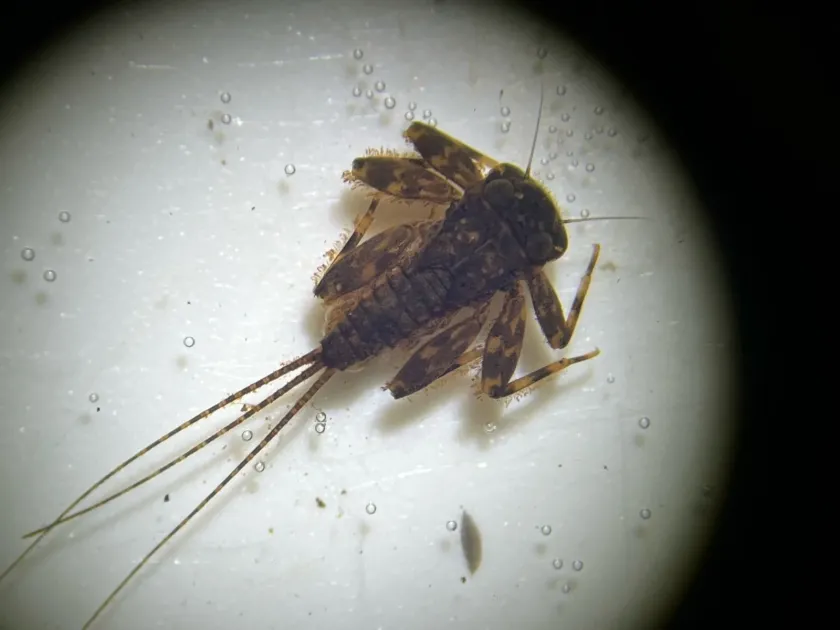
Description
How to identify
Heptagenia is a genus of mayflies belonging to the family Heptageniidae, order Ephemeroptera. These insects are well-known in entomology for their distinct aquatic larval stage.
Adult mayflies are characterized by delicate wings, long tails, and a short lifespan. They undergo incomplete metamorphosis, and their primary function as adults is mating and egg-laying.
The larvae are specifically adapted to flowing water habitats, such as streams and rivers. They possess a flattened body shape, which allows them to remain attached to rocks and stones despite fast currents.
Heptagenia larvae play a significant role in aquatic food webs, serving as a food source for fish and other predators. They are also considered excellent indicators of high water quality.
To identify them, one should look for their characteristic gill plates and flattened profile, which distinguish them from terrestrial crop pests that typically inhabit plants.
What it damages
Heptagenia is not an agricultural pest. They are strictly aquatic organisms and do not feed on crops, vegetables, or field plants of any kind.
There is no economic damage associated with this genus. They do not damage leaves, roots, stems, or fruits, as they feed on algae and organic matter within the water.
The only interaction between these insects and agriculture is the potential for larvae to enter irrigation systems. This is purely a mechanical nuisance rather than a biological threat.
Because they do not transmit diseases to plants and do not cause physical plant damage, no control measures aimed at protecting crops are necessary.
Farmers may observe their presence near water sources, but this is a sign of healthy water, and it should not be a cause for concern regarding crop health.
When it appears
Adult Heptagenia typically emerge during the warmer months, from late spring through summer. This emergence is often synchronized and can result in large swarms near water bodies.
The larval stage is much longer and occurs throughout the year. Larvae are most active during the spring when water temperatures begin to rise, signaling growth.
Environmental factors, such as water temperature and flow rate, govern their development cycle. They are highly dependent on cool, oxygen-rich waters.
Short-lived adult flights usually coincide with peak environmental conditions. These flights are temporary and do not represent a continuous risk to agricultural fields.
Seasonal monitoring is only relevant for irrigation maintenance. Checking pump inlets after the winter season helps ensure that no accumulated biological debris interferes with water flow.
Signs of infestation
The most common sign of Heptagenia is the accumulation of insect debris in filtration systems. Filters may catch cast-off larval skins after a cycle of development.
In the field, there will be absolutely no signs of crop damage. The leaves and stems remain healthy, and no feeding patterns or insect presence will be found on the plants.
Visual observation near water sources might show adults resting on vegetation, but they do not cause damage to those plants. They are transient visitors in the field environment.
Clogged drip lines or emitters caused by organic matter are the only indirect symptoms. These are easily remedied through proper physical filtration of the irrigation supply.
Recognizing the difference between these beneficial aquatic organisms and harmful plant pests is essential for avoiding unnecessary and ineffective chemical interventions.
Control measures
No chemical control is required or recommended for Heptagenia. They are an essential part of the ecosystem and do not threaten crop production.
The best control method is mechanical filtration. Installing appropriate mesh filters at the water source effectively keeps larvae out of irrigation pipes.
Routine maintenance of water reservoirs and pipes prevents the accumulation of algae and organic debris that might otherwise attract larval growth.
Utilizing UV water purification systems in protected agriculture can further ensure that irrigation water remains free of any biological debris, maintaining system efficiency.
Promoting a balanced ecosystem around water sources is a sustainable approach that naturally manages insect populations without the need for pesticides.
Taxonomy
- Latin name
- Heptagenia
- Family
- Heptageniidae
- EPPO code
- HEPTSP
Discussion
No discussions yet — be the first.