
New Zealand giant weta
Hemideina crassidens
Description
How to identify
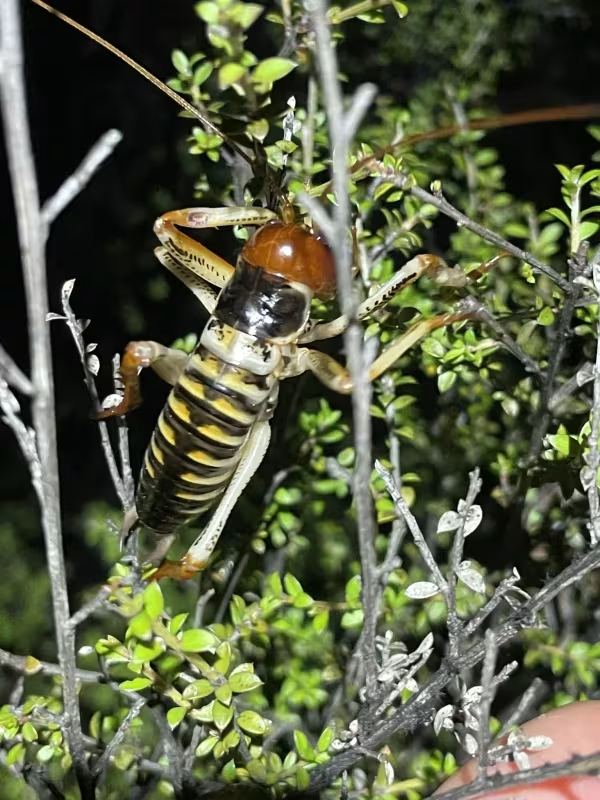
The New Zealand giant weta (Hemideina crassidens) belongs to the Anostostomatidae family within the order Orthoptera. It is a large, flightless insect known for its robust appearance and substantial size, reaching up to 10 centimeters in length.
The insect possesses strong mandibles and a hard exoskeleton, which provides protection against predators. Males are distinctively equipped with enlarged, intimidating jaws used for territorial defense.
These insects are primarily nocturnal, spending their daylight hours hidden in tree hollows, crevices, or thick forest floor debris to avoid desiccation and predators.
Their life cycle is relatively long compared to other insects, involving multiple nymphal stages that extend over several years before reaching maturity.
They are well-adapted to the New Zealand forest environment, playing a role in nutrient cycling, although their feeding habits can overlap with horticultural interests.
What it damages
Giant weta feed on various plant materials, which can pose a threat to young seedlings and decorative shrubs in specific regions where their population density is high.
The insects damage plants by feeding on fresh leaves, tender shoots, and tree bark. This feeding activity leads to stunted growth and reduced vigor in affected plant specimens.
The physical wounds left by their powerful mandibles can create entry points for opportunistic fungi, bacteria, and viral pathogens that further weaken the plant.
In nursery settings, damage to the apical buds and stems is particularly concerning as it can lead to permanent structural deformity of the young trees.
While they do not usually cause large-scale agricultural crop failures, their presence near gardens can result in significant localized damage to sensitive botanical collections.
Control measures
Due to the conservation status of many weta species in New Zealand, management strategies focus on non-lethal deterrents rather than the use of chemical pesticides.
Physical barriers are the most effective method; installing smooth metal or plastic bands around tree trunks prevents these flightless insects from climbing into the foliage.
Sanitation practices, such as removing excess leaf litter and wood debris from the vicinity of plants, reduce the availability of daytime refuges for these insects.
Hand-picking and relocating individuals from horticultural zones to natural forest habitats is a standard practice for mitigating conflicts between human activity and the insect.
Regular monitoring of garden areas during the night using low-intensity lighting helps in assessing the presence of weta and taking preventive actions before damage occurs.
Taxonomy
- Latin name
- Hemideina crassidens
- Order
- Orthoptera (locusts)
- Family
- Anostostomatidae
- EPPO code
- HMDNCR
Discussion
No discussions yet — be the first.