
Helopeltis orophila
Helopeltis orophila
Description
How to identify
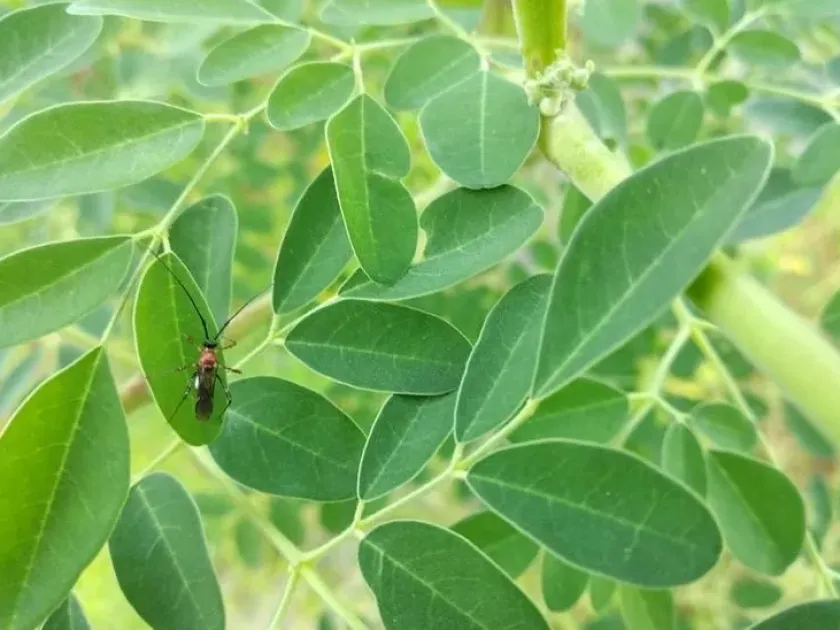
Helopeltis orophila belongs to the family Miridae (plant bugs) within the order Hemiptera. These insects are distinguished by their slender body structure and a characteristic scutellum, which often features a distinct spine-like process.
The adults are relatively fragile, possessing long, thin legs and elongated antennae, which facilitate efficient movement across the canopy of host plants.
Their coloration typically ranges from yellowish-brown to reddish-brown, serving as effective camouflage against the young leaves and shoots they frequent.
The life cycle involves egg, nymphal, and adult stages, with nymphs resembling adults in morphology but lacking fully developed wings and reproductive organs.
This species is a specialized pest whose population dynamics are highly responsive to environmental humidity and temperature, typical of tropical agricultural systems.
What it damages
The primary host of economic importance is the cacao tree, where this pest causes substantial damage to production and overall tree vigor.
Feeding occurs on soft, young plant tissues including flushing leaves, terminal buds, and developing pods, which significantly inhibits the tree's physiological growth.
The feeding process involves the injection of toxic saliva into plant cells, which triggers localized necrosis and death of the affected plant tissues.
These necrotic lesions frequently serve as entry points for secondary pathogens, such as fungi or bacteria, causing further decay and fruit rot.
Severe infestations often result in the death of the main shoot, leading to stunted growth, excessive branching, and a significant loss in total yield potential.
Signs of infestation
Early symptoms of infestation include the appearance of small dark spots on young leaves, which expand over time into large, irregular necrotic patches.
Distortion, curling, and premature leaf drop are common manifestations of sustained feeding pressure on the affected plant parts.
Cacao pods often exhibit characteristic black depressions or pits, which lower the quality of the harvest and affect the development of the beans inside.
The dieback of shoots is a hallmark sign, often leading to a jagged or "witches' broom" appearance in highly sensitive varieties of cocoa trees.
Direct observation of the bugs can be challenging, as they are shy and tend to move rapidly toward the undersides of leaves when disturbed by movement or light.
Control measures
Managing Helopeltis orophila requires an integrated approach that focuses on maintaining tree health and reducing pest habitat availability.
Sanitation practices, such as the pruning and destruction of heavily infested shoots, are essential to lower the resident population density on the farm.
Targeted chemical applications should be reserved for periods of peak infestation, ensuring that systemic or contact insecticides are applied efficiently.
Biological control, utilizing predatory insects that naturally hunt on Mirids, plays a vital role in balancing the ecosystem of the cocoa plantation.
Cultural methods, such as maintaining appropriate shade levels and ensuring good airflow within the canopy, can create unfavorable conditions for pest colonization.
Taxonomy
- Latin name
- Helopeltis orophila
- Order
- Hemiptera (bugs, aphids, leafhoppers)
- Family
- Miridae
- EPPO code
- HELOOR
Discussion
No discussions yet — be the first.