
Helopeltis fasciaticollis
Helopeltis fasciaticollis
Description
How to identify
Helopeltis fasciaticollis belongs to the family Miridae, commonly known as mirid bugs or plant bugs. These insects are recognized as significant agricultural pests in tropical regions, affecting various perennial cash crops.
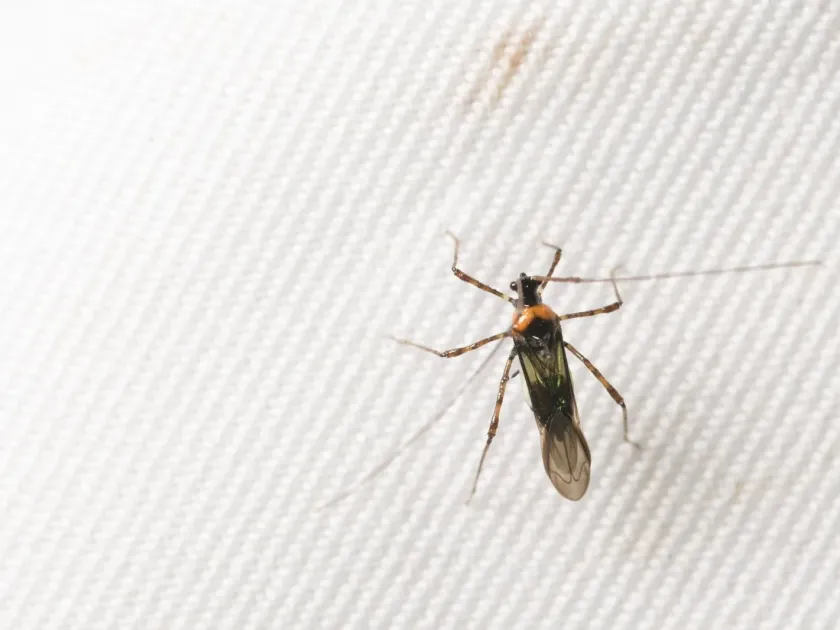
Adult insects are characterized by a slender body, long, thread-like antennae, and relatively long legs. A distinctive morphological feature of the Helopeltis genus is a prominent, upright thorn-like projection on the scutellum.
The coloration of the adult bug ranges from reddish-brown to dark brown, often featuring specific patterns on the thorax. These insects are highly mobile and tend to inhabit the canopy of host plants, making them difficult to detect without careful inspection.
The nymphal stages resemble miniature versions of the adults but lack developed wings. They undergo five instars, each characterized by increasing size and appetite, constantly feeding on plant tissues during their development.
Biology of the species is highly sensitive to climate conditions, thriving in high humidity and warm temperatures. Females use their sharp ovipositors to insert eggs directly into the tender tissues of young shoots or leaf stalks.
What it damages
This pest is a major threat to crops such as cocoa, tea, and various fruit trees. It is a sap-sucking insect that specializes in feeding on the most physiologically active parts of the plant, such as new growth and fruit.
When the bug feeds, it injects toxic saliva into the plant tissues. This causes immediate cellular breakdown, leading to characteristic necrotic lesions that appear as dark, sunken spots on leaves, stems, and fruit surfaces.
Severe infestations result in the wilting and curling of young leaves. If the fruit is attacked during early development, it often becomes deformed and may drop prematurely, significantly impacting the final marketable harvest.
Beyond direct feeding damage, the lesions created by Helopeltis fasciaticollis serve as entry points for various secondary fungal and bacterial pathogens. This drastically compromises the health of the host plant.
Young nursery seedlings are particularly vulnerable. Heavy attacks can cause dieback of terminal shoots, which effectively stunts growth and, in severe cases, leads to the total death of the plant.
Control measures
Managing populations of Helopeltis fasciaticollis requires an Integrated Pest Management (IPM) approach to maintain population levels below the economic injury threshold.
Cultural control remains fundamental: regular pruning of infested shoots and branches is necessary to remove egg-laying sites and reduce the resident population. Proper field sanitation significantly limits the spread of the insect.
Chemical control is often necessary during peak infestation periods. The application of systemic insecticides is highly effective, as the chemical is absorbed by the plant, targeting the bugs during their sap-sucking feeding process.
Biological control methods are being researched and implemented, focusing on the conservation of natural predators such as weaver ants and parasitoid wasps. These natural enemies play a crucial role in suppressing pest numbers.
Monitoring programs, utilizing visual scouting and pheromone traps, are essential for timely intervention. By detecting early signs of infestation, farmers can apply targeted treatments, minimizing the need for broad-spectrum pesticide use.
Taxonomy
- Latin name
- Helopeltis fasciaticollis
- Order
- Hemiptera (bugs, aphids, leafhoppers)
- Family
- Miridae
- EPPO code
- HELOFA
Discussion
No discussions yet — be the first.