
Haptoncus
Haptoncus
Description
How to identify
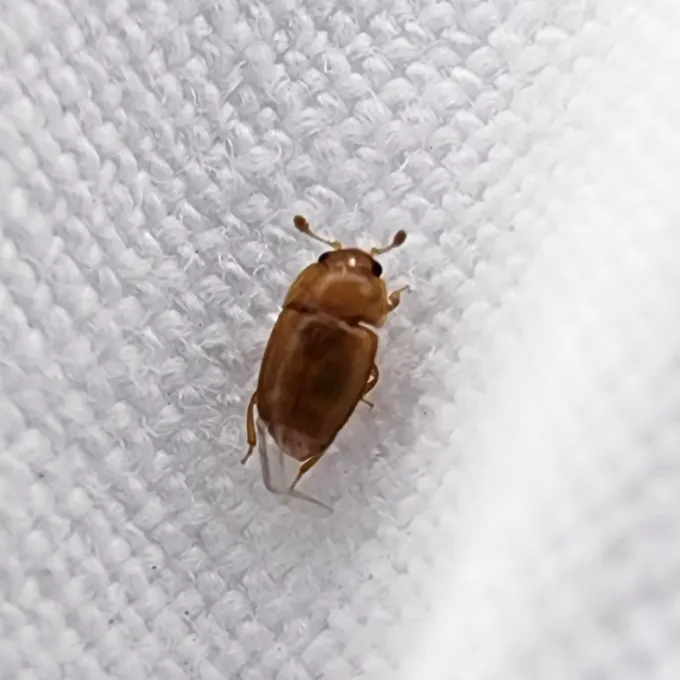
Haptoncus is a genus of small beetles belonging to the family Nitidulidae (sap beetles) within the order Coleoptera. Adult beetles are typically oval in shape and very small, usually ranging from 2 to 3 millimeters in length.
The coloration of these beetles varies from yellowish-brown to dark brown, which provides excellent camouflage against the surface of the fruit they infest.
The larvae of Haptoncus are worm-like, usually creamy white in color, and possess well-developed biting mouthparts adapted for feeding inside plant tissues.
Haptoncus luteolus is the most common species encountered in agricultural settings, particularly in tropical and subtropical regions where fruit farming is prevalent.
Due to their small size and cryptic behavior, identifying these beetles in the field is challenging, as they tend to hide within crevices or between fruit parts when disturbed.
What it damages
Haptoncus beetles infest a wide range of agricultural crops, showing a strong preference for fruits with high sugar content, including peaches, strawberries, grapes, and tomatoes.
The pest often gains entry into the fruit through pre-existing wounds caused by other insects, birds, or mechanical damage, which act as initial entry points.
Once inside, the beetles and their larvae feed on the pulp, causing rapid deterioration of the fruit and reducing its market value significantly.
The damage caused by the beetle is often secondary in nature, as it facilitates the entry and development of pathogenic fungi and bacteria, leading to rot.
Large populations of Haptoncus can render entire harvests unmarketable, as the resulting fermentation process spreads quickly among stored or ripening produce.
When it appears
The activity of Haptoncus is highly dependent on ambient temperature and humidity levels, with warm conditions favoring rapid population growth.
Adult beetles become most active during the fruit ripening season, when the fermentation of sugars releases specific odors that act as powerful attractants.
The developmental cycle from egg to adult is relatively short, allowing the species to produce several generations during a single growing season.
Peak population densities are usually observed in late summer and early autumn when fruit production is at its highest, providing ample food resources for the beetles.
During colder months, the insects enter a period of diapause, hiding in soil, plant debris, or protected areas under bark to survive until the next season.
Signs of infestation
The first sign of infestation is the appearance of tiny, barely visible punctures on the fruit skin, often accompanied by dark, soft spots around the entry points.
A distinctive odor of fermentation is a key indicator that the fruit has been colonized, as the presence of the beetles accelerates the decay process.
When an infested fruit is opened, one may observe internal tunnels filled with frass, along with the larvae actively consuming the soft interior tissues.
- Softening and darkening of tissue around puncture wounds.
- Visible fungal growth or white mold on the damaged surface.
- Premature fruit drop, despite the fruit appearing normal on the surface.
- Presence of small beetles near the stem or cracks when examined at dusk.
Field diagnosis often requires a close inspection with a magnifying lens, especially at the point where the fruit connects to the stem, where adults congregate.
Control measures
The primary control strategy involves good sanitation practices in the orchard, specifically the regular removal and proper disposal of fallen or decaying fruits.
Timely harvesting is critical; fruits should not be allowed to over-ripen on the tree, as overly mature produce is the main attractant for Haptoncus beetles.
Farmers should implement measures to protect fruits from mechanical damage and other pests, as healthy, intact fruit skin is the best natural barrier against this beetle.
Monitoring using pheromone or bait traps (containing sugar or vinegar solutions) helps in tracking population levels and timing potential interventions.
Chemical control should be used sparingly and strictly in accordance with pre-harvest intervals to ensure that no harmful pesticide residues remain on the fruit.
Taxonomy
- Latin name
- Haptoncus
- Order
- Coleoptera (beetles)
- Family
- Nitidulidae
- EPPO code
- HAPOSP
Discussion
No discussions yet — be the first.