
Crawling water beetle
Haliplus ruficollis
Description
How to identify
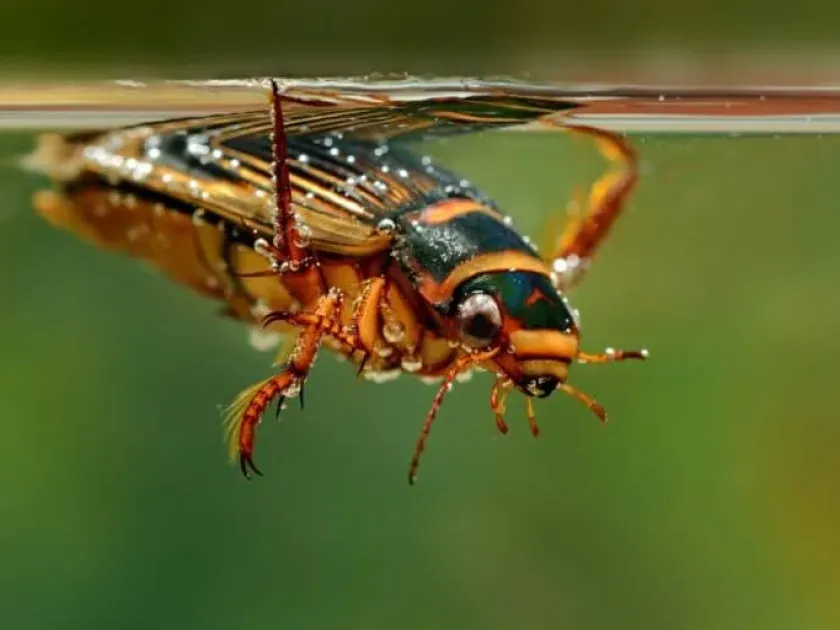
Haliplus ruficollis is a small beetle belonging to the family Haliplidae, commonly known as crawling water beetles. These insects are adapted to life in freshwater environments.
The adult beetle is typically 2.5 to 3 mm long and displays a yellowish-brown or reddish coloration, with distinct dark markings on its wing covers (elytra).
The body shape is oval and flattened. A diagnostic feature is the enlarged hind coxae, which extend into large plates covering the underside of the abdomen.
Larvae are generally elongated, covered with numerous hair-like projections, and are adapted to crawling slowly over the surface of submerged aquatic vegetation.
Both adults and larvae breathe atmospheric air, which they trap under their bodies, allowing them to survive and forage in shallow water zones.
What it damages
The primary damage is caused by the larval stage of Haliplus ruficollis, which feeds exclusively on the tissues of aquatic plants and algae.
Larvae scrape away the epidermis and underlying chlorophyll-rich cells of submerged leaves, leaving behind noticeable translucent patches or skeletonized leaf sections.
High populations of this beetle can cause significant aesthetic and physiological damage to aquatic ornamental plants grown in nurseries or garden ponds.
Weakened plants may suffer from impaired photosynthesis and are often more susceptible to secondary fungal infections due to the mechanical damage inflicted.
In aquatic crop production, infestation can reduce the growth rates of desired vegetation, potentially leading to stunted or chlorotic plant specimens.
When it appears
The life cycle of the crawling water beetle is temperature-dependent and synchronized with the peak growth season of aquatic vegetation.
Adult beetles overwinter in bottom sediments, submerged debris, or within the moist substrate along the margins of the pond.
As water temperatures rise in late spring, adults emerge from hibernation, start feeding, and begin the breeding cycle by laying eggs directly into plant tissues.
Larval development typically occurs during the summer months, passing through several instar stages before the beetles reach maturity.
Pupation takes place on land in the damp soil near the water's edge, after which the new generation of adults returns to the water to complete the cycle.
Signs of infestation
Early indicators of an infestation include the appearance of small, light-colored translucent spots on the leaves of submerged aquatic plants.
As feeding progresses, affected leaves may become patchy or turn skeletonized, significantly affecting their appearance and health.
Careful inspection of submerged stems or leaf surfaces may reveal the presence of small, worm-like larvae clinging to the plant tissue.
In cases of severe infestation, plants may show signs of yellowing or wilting, particularly at the growing tips where larvae often aggregate.
Using a fine-mesh aquatic net to sweep through the vegetation can effectively confirm the presence of adult beetles or larvae within the water column.
Control measures
Biological control remains the preferred method, encouraging native fish species that naturally feed on aquatic larvae to keep the population in check.
Mechanical removal through regular cleaning of the pond, including the disposal of excessive rotting plant matter, reduces suitable habitats for the larvae.
Maintaining clear, healthy water conditions and controlling excessive algal growth can limit the food supply and hinder the beetle's life cycle.
Hand-picking adults with a fine net can be highly effective in smaller garden settings to manage the population during the peak season.
Avoid the use of broad-spectrum chemical insecticides, as they are toxic to fish, amphibians, and beneficial invertebrates living in the same environment.
Taxonomy
- Latin name
- Haliplus ruficollis
- Order
- Coleoptera (beetles)
- Family
- Haliplidae
- EPPO code
- HLPLRU
Discussion
No discussions yet — be the first.