
Haliplid beetle
Brychius
Description
How to identify
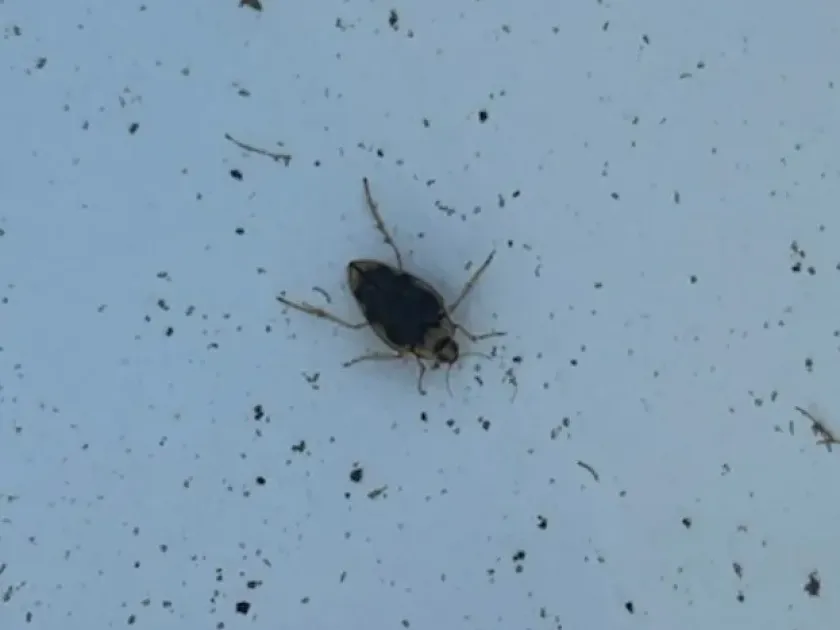
Beetles of the genus Brychius belong to the family Haliplidae, which is part of the order Coleoptera. These are small aquatic insects typically measuring between 3 and 4 mm in length.
They are characterized by a convex body, yellowish-brown in color, often marked with dark spots. A key feature is the presence of enlarged, plate-like hind coxae that cover the base of the abdomen.
The larvae possess an elongated body, often decorated with long filaments or bristles, which allow them to maintain stability while moving along submerged plant surfaces.
Unlike most predatory water beetles, Brychius are poor swimmers. They prefer to crawl along aquatic macrophytes, using their strong legs to grip onto stems and leaves firmly.
Systematically, this genus occupies a unique ecological niche because both the adults and larvae are specialized herbivores, differentiating them from most predatory aquatic beetles.
What it damages
The primary food sources for Brychius are filamentous algae and the soft tissues of submerged aquatic plants, posing a threat to nurseries and aquaculture systems.
Larvae feed intensely on the epidermis of young plant shoots, disrupting photosynthesis and leading to tissue decay and the weakening of the plant structure.
Adult beetles also cause significant damage by chewing holes into young leaves, which reduces both the ornamental value and the overall marketability of the plants.
Physical damage caused by these insects exposes plant tissues to secondary infections, facilitating the growth of various pathogenic fungi and bacteria.
In rice paddies or similar aquaculture environments, high populations of Brychius can lead to stunted plant growth and reduced yields due to intensive feeding on young stems.
When it appears
The active life cycle of Brychius occurs during the warmer months, beginning when water temperatures rise in late spring, signaling the start of the egg-laying period.
Larval development takes place over several weeks under optimal water temperatures, typically ranging from 18 to 25 degrees Celsius.
The insects overwinter primarily as adults, burrowing into the silt at the bottom of the water body or hiding within dense clusters of submerged vegetation.
In warmer southern regions, the pest may produce two generations per season, necessitating ongoing vigilance and monitoring throughout the summer months.
The life cycle is closely linked to water quality parameters, particularly oxygen saturation and light intensity, which dictate the success rate of larval development.
Signs of infestation
The most prominent sign of an infestation is the presence of distinct circular holes or skeletonized patches on submerged leaves and stems.
Plants often exhibit signs of physiological stress, including premature yellowing of shoot tips and slow development, as the damage impairs their metabolic functions.
Visual inspection of the plants in the water will often reveal the larvae resting on the stalks or moving slowly across the surface of the vegetation.
The presence of fungal growth around damaged areas on the stems is a common secondary symptom indicating that the plant is struggling to defend itself.
A noticeable decline in the density and health of aquatic crops is a strong indicator of an established population of these beetles within the water body.
Control measures
Integrated control starts with cultural practices, such as the periodic removal of excess filamentous algae which provides a critical food source for the pest.
Water level management in cultivation ponds can be used to disrupt the breeding cycle, creating conditions unfavorable for larval survival during critical life stages.
Biological control agents, including entomopathogenic microorganisms, are highly effective in reducing beetle numbers while maintaining a balanced aquatic ecosystem.
Selective insecticides approved for use in aquatic environments may be utilized as a final resort, provided that all dosage and safety regulations are strictly observed.
Preventive measures include the thorough decontamination of any new plant material before introducing it into a pond or tank to avoid accidental introduction of eggs.
Taxonomy
- Latin name
- Brychius
- Order
- Coleoptera (beetles)
- Family
- Haliplidae
- EPPO code
- BYCHSP
Discussion
No discussions yet — be the first.