
Haemaphysalis
Haemaphysalis
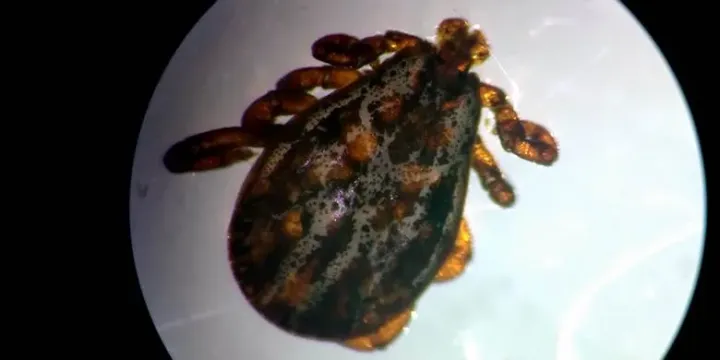
Description
How to identify
The genus Haemaphysalis represents a group of ixodid ticks characterized by their small size and the absence of eyes. They are distinguished from other genera by the angular projections on their palps.
Both males and females possess a dark-brown chitinous shield. Their bodies are structurally adapted for clinging to the host's skin, making them efficient and persistent blood feeders.
The life cycle involves four stages: egg, larva, nymph, and adult. Each developmental phase necessitates a blood meal from a vertebrate host to advance to the next stage.
These ticks are highly sensitive to humidity and temperature. They thrive in environments such as thickets, tall grasses, and leaf litter, which provide the microclimate necessary for their survival.
Identification of the species level typically requires expert microscopic analysis, focusing on the specialized structure of the gnathosoma (mouthparts) and the shape of the palps.
What it damages
Haemaphysalis ticks are significant pests in livestock production. While they do not damage crops, they directly impair the physiological health and economic output of livestock.
They act as primary vectors for various tick-borne diseases, including babesiosis and theileriosis, which can cause high morbidity and mortality rates in cattle and sheep.
Mass infestations lead to severe blood loss, resulting in anemia, stunted growth, and significantly reduced production of milk and meat among the affected animals.
Physical damage caused by bites often leads to dermal lesions, inflammation, and secondary bacterial infections that require intensive veterinary intervention.
The continuous irritation and distress caused by the ticks lead to behavioral changes, such as reduced grazing time and increased restlessness, which further impacts the animal's weight gain.
When it appears
Ticks of this genus generally emerge in early spring once soil temperatures reach levels that allow for the activation of overwintered larvae, nymphs, or adults.
The peak activity period is typically observed during the late spring and early summer months, corresponding with optimal temperature and humidity levels for questing.
During the peak of summer, activity may decline in exposed areas due to desiccation; however, ticks remain active in shaded, humid microhabitats throughout the warm season.
A secondary, smaller wave of activity often occurs in autumn before the onset of cold weather, as ticks prepare to enter their overwintering phase.
Overwintering occurs primarily within the protective layers of vegetation or the upper soil surface, where the ticks wait for the return of favorable spring conditions.
Signs of infestation
Detection involves regular inspections of livestock to identify attached ticks, particularly in areas where the skin is soft and protected by less dense fur.
- Presence of engorged ticks on the udder, groin, inner thighs, and brisket areas of cattle.
- Localized swelling, nodules, or abscesses resulting from the tick's salivary secretions and site of attachment.
- Restless behavior, frequent scratching, or rubbing against objects indicating severe discomfort.
- Pale mucous membranes, which are a classic sign of severe anemia and tick-borne blood diseases.
- General malaise, including fever, lethargy, and a significant decrease in daily feed intake.
Control measures
Effective control requires a multi-faceted approach, starting with the regular application of acaricides to livestock via sprays, pour-ons, or medicated dips.
Environmental management is crucial; this includes clearing brush, mowing tall grass, and removing debris from pastures to eliminate the ticks' hiding places.
The use of tick repellents provides a temporary barrier, significantly reducing the probability of ticks attaching to the skin during daily grazing activities.
Implementing strict quarantine protocols for new animals entering the farm prevents the introduction of new tick populations into established grazing areas.
Continuous monitoring of tick density on pastures allows farmers to make informed decisions regarding rotation or the timing of intensive treatment schedules.
Taxonomy
- Latin name
- Haemaphysalis
- Family
- Ixodidae
- EPPO code
- HAEASP
Discussion
No discussions yet — be the first.