
Genet
Genetta
Description
How to identify
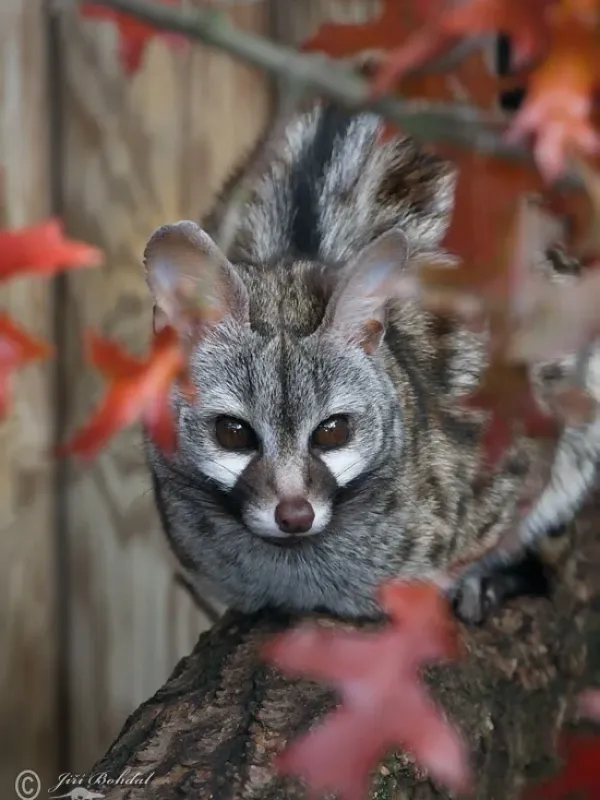
The genet is a carnivorous mammal belonging to the Viverridae family. It is characterized by its slender body, long tail, and spotted fur, which is often mistaken for a nuisance animal in rural settings.
Scientifically, the genus Genetta is strictly predatory. Their biological classification within the order Carnivora indicates that their role in an ecosystem is that of a predator rather than a plant consumer.
Genets are nocturnal and agile, possessing flexible bodies that allow them to inhabit diverse environments, including those adjacent to agricultural fields.
Identification is based on their physical features and nocturnal activity. They are solitary creatures that primarily seek shelter in burrows, trees, or, occasionally, abandoned farm structures.
It is crucial for agronomists to distinguish between pests that damage crops and predatory animals like the genet, which inhabit the same landscape but do not feed on vegetation.
What it damages
The genet does not damage agricultural crops. It lacks the biological apparatus to feed on plants; thus, it is not considered a pest of cereals, fruits, or vegetables.
Their diet consists primarily of small rodents, insects, and birds. In an agricultural context, they may actually act as natural biocontrol agents by reducing the population of harmful rodents.
No systematic damage to agricultural production is associated with this species. They do not feed on seeds, nor do they burrow into fields to disturb the roots of plants.
In rare instances, if a genet enters a farmstead, it might prey on poultry. However, this is a livestock management issue rather than a crop protection or phytosanitary problem.
Farmers should not view the genet as a threat to their harvest. Any perceived damage to crops is almost certainly caused by other organisms, such as insects or rodents.
Control measures
There are no pest control strategies for genets in agriculture because they are not recognized as crop pests. Eradication measures are unnecessary and ecologically harmful.
If a genet is causing issues by accessing farm buildings or poultry pens, the recommended control is exclusion via physical barriers such as fences or wire mesh.
Maintaining the integrity of storage buildings is the only required management practice. This ensures that the animal remains in its natural habitat rather than encroaching on human activity.
The use of pesticides or traps is not recommended, as it disrupts the local biodiversity. The genet serves as a natural predator of agricultural pests.
Education on the natural role of the genet is the best approach to ensuring sustainable coexistence between wildlife and agricultural operations.
Taxonomy
- Latin name
- Genetta
- Family
- Viverridae
- EPPO code
- GENTSP
Discussion
No discussions yet — be the first.