
Garella nilotica
Garella nilotica
Description
How to identify
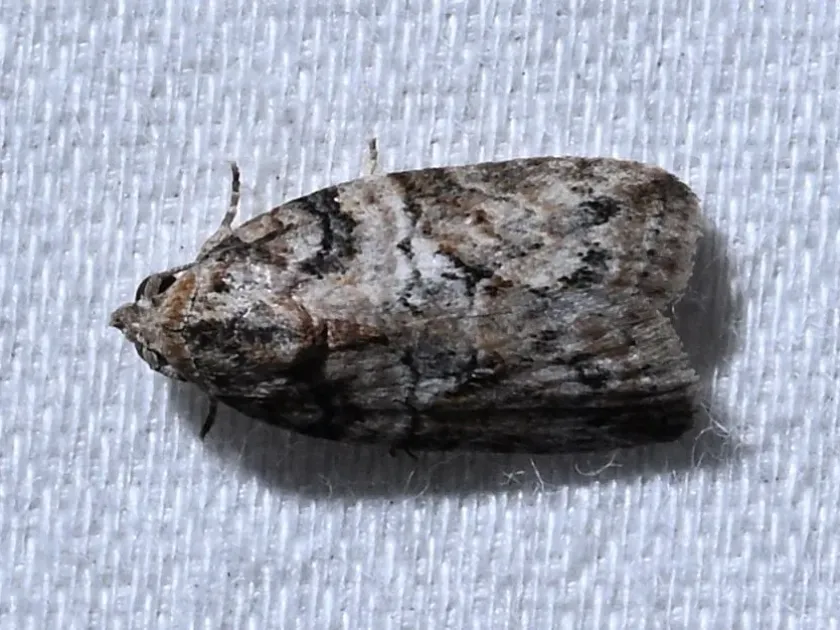
Garella nilotica is a moth species belonging to the Nolidae family. The adult insect is a small moth, with wings that provide excellent camouflage against foliage, making it hard to spot during the day.
The larval stage, or caterpillar, is the most destructive phase. The larvae go through several developmental instars, showing variations in size and color, which are critical traits for identifying the infestation level in a cotton field.
Pupation occurs within dense cocoons, typically found in the soil or protected by plant debris. This defensive behavior allows the insect to survive harsh conditions and evade many predators during its vulnerable pupal phase.
Adult moths are primarily nocturnal, showing peak activity during the night. Their elusive behavior makes them difficult to track without using pheromone traps or light traps specifically designed for monitoring purposes.
Reproduction follows a standard cycle where females lay eggs directly onto the host plant, ensuring that newly hatched larvae have immediate access to food sources, thereby maximizing their survival rate.
What it damages
The primary host plant for Garella nilotica is cotton. The larvae are voracious feeders, consuming both the vegetative tissues and the reproductive parts of the plant, including flower buds and bolls.
Bud damage is a significant issue, as it leads to premature shedding. This loss of reproductive organs directly correlates to lower crop yields and reduced overall productivity of the cotton field.
When larvae infest the cotton bolls, they tunnel inside and consume the developing seeds and lint. This not only destroys the fiber but also leaves the remaining harvest vulnerable to contamination and quality loss.
Secondary infections are common following an infestation. The wounds created by the larvae allow fungi and bacteria to enter the plant tissues, leading to boll rot and further aggravating the yield loss.
- Severe reduction in cotton fiber quality.
- High loss of yield due to bud and boll destruction.
- Increased risk of secondary pathogen infestations.
When it appears
The lifecycle of Garella nilotica is synchronized with the growth stages of the cotton plant. Activity usually commences when the cotton reaches the budding phase, which provides the necessary nutrition for the larvae.
The number of generations per season is determined by regional climate conditions. Warmer climates allow for more frequent breeding cycles, which can lead to exponential growth of the pest population throughout the season.
Peak infestation levels typically occur in mid-summer when temperatures are optimal for larval development. Consistent field monitoring during this window is vital to implementing effective control measures.
Overwintering is carried out at the pupal stage. By remaining dormant in the soil or crop residue, the pest successfully survives the winter, emerging as adults when spring temperatures start to rise.
Extreme weather patterns, such as intense heat waves or heavy rains, may temporarily affect population dynamics, but the species remains a resilient threat to agriculture in its native range.
Signs of infestation
Small entry holes on the surface of buds and bolls are the most common signs of an infestation. These holes are frequently accompanied by frass (excrement) around the opening, signaling larval presence.
Leaves that are curled or webbed together are a clear indication of a larval shelter. Inspecting these areas often reveals the caterpillars hidden within, feeding on the leaf tissues.
The presence of necrotic or discolored spots on the bolls, combined with premature opening of the cotton boll, indicates internal feeding. Such bolls are usually severely damaged and non-viable.
An unusual drop of buds, not linked to water stress or nutrient deficiency, suggests that Garella nilotica larvae may have severed the stems of the buds, causing them to detach from the plant.
Early-stage feeding may appear as small leaf perforations. While subtle, these early signs provide an opportunity for growers to intervene before the infestation moves to the reproductive parts of the cotton.
Control measures
Cultural control practices, such as deep plowing after the harvest, are effective in destroying pupae residing in the soil, which significantly breaks the life cycle of the pest for the following season.
Integrated Pest Management (IPM) encourages the use of bio-rational insecticides during early larval stages. These treatments target the pest while minimizing the impact on beneficial insects within the ecosystem.
Chemical control should be applied based on economic threshold levels to ensure the rational use of pesticides. Monitoring with pheromone traps is the best way to determine the precise timing of application.
Proper field sanitation, including the destruction of crop residues, is essential. Removing these materials eliminates potential overwintering sites, reducing the likelihood of a major outbreak in the next season.
Planting resistant or early-maturing cotton varieties can help escape the peak population density of the pest, allowing the crop to complete its development before the most damaging generations of moths appear.
Taxonomy
- Latin name
- Garella nilotica
- Order
- Lepidoptera (butterflies)
- Family
- Nolidae
- EPPO code
- GARENI
Discussion
No discussions yet — be the first.