
Eulophonotus
Eulophonotus
Description
How to identify
Eulophonotus (Latin: Eulophonotus myrmeleon) is a destructive stem-boring pest belonging to the order Lepidoptera and the family Cossidae.
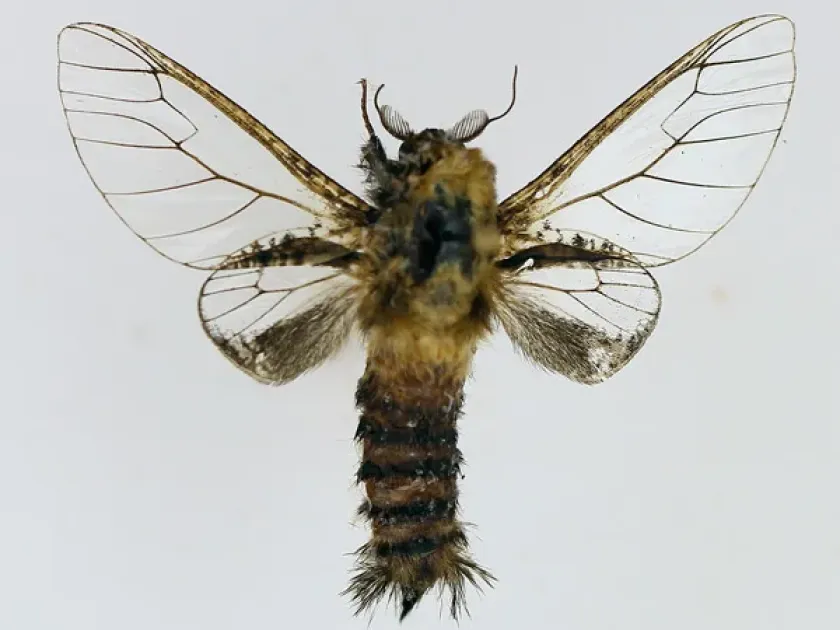
Adults are moths with a wingspan of up to 40–50 mm, featuring cryptic coloration that allows them to blend perfectly with tree bark.
The larvae, or caterpillars, have cylindrical bodies with dark heads, a typical morphology for many species within the Cossidae family.
The life cycle is deeply intertwined with woody tissues, as the larvae spend the majority of their development stage tunneling inside tree trunks.
Identification of the adult stage can be confirmed through wing venation patterns and specific genital structures during entomological examination.
What it damages
The primary host of Eulophonotus is cocoa, where the pest causes significant economic losses to the agricultural sector in tropical regions.
This species is also known to infest other woody plants, boring into the bark and cambium layer of both trunks and young branches.
The larvae excavate deep and extensive galleries within the wood, which severely disrupts the plant's vascular system and nutrient transport.
Severe infestations lead to a decline in tree vigor, reduced crop yields, and often result in tree mortality due to secondary pathogen invasions.
The pest tends to target stressed or young trees, making it a critical threat to newly established plantations and orchards.
Signs of infestation
The initial sign of infestation is the presence of holes in the bark, from which the larvae eject frass and wood shavings as they tunnel.
Darkening of the bark and necrotic lesions often appear around the entry holes, resulting from the mechanical damage to the tree's conductive tissues.
A pile of sawdust at the base of the tree is a classic indicator that active larval tunneling is occurring deep within the trunk.
Foliage on infested branches typically exhibits premature chlorosis, wilting, and leaf drop, reflecting the impaired hydraulic integrity of the tree.
In advanced cases, the structural integrity of the trunk is compromised, leading to limb breakage during high winds or heavy fruiting periods.
Control measures
The most effective strategy involves regular orchard monitoring followed by the prompt removal and destruction of heavily infested plant material.
Chemical control using systemic or contact insecticides is only effective during the brief window before the newly hatched larvae bore into the bark.
Applications of trunk-targeted insecticides must follow strict timing and dosage protocols based on the specific phenology of the moth.
Biological control alternatives include the deployment of entomopathogenic fungi or specialized parasitoids that naturally suppress population levels.
Cultural practices that prioritize tree health, proper fertilization, and irrigation significantly improve the tree's natural resilience to borer attacks.
Taxonomy
- Latin name
- Eulophonotus
- Order
- Lepidoptera (butterflies)
- Family
- Cossidae
- EPPO code
- EULOSP
Discussion
No discussions yet — be the first.