
Cactus mealybug
Eriococcus cactearum
Description
How to identify
The cactus mealybug, scientifically identified as Eriococcus cactearum, is a specialized pest belonging to the Eriococcidae family. It is a well-known nuisance for enthusiasts of cacti and other succulents worldwide.
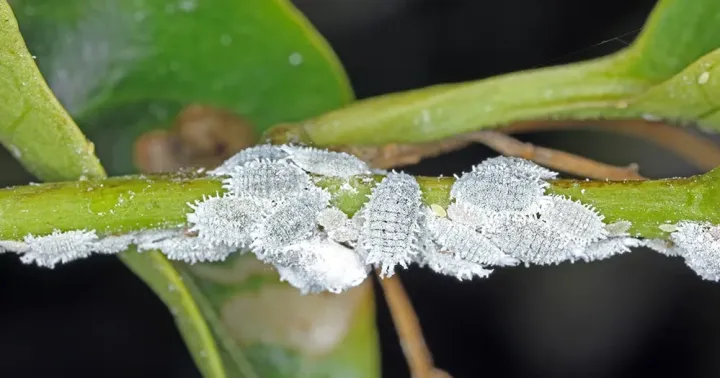
The adult female is oval-shaped and protected by a white, cotton-like felt sac which she spins to shelter her eggs. This structure makes her highly resistant to environmental stressors and simple contact treatments.
The mobile stage of the pest, known as crawlers, are tiny, yellowish nymphs that move rapidly across the plant surface to find optimal feeding spots. They are responsible for spreading the infestation across the entire collection.
Due to their small size and ability to camouflage within the spines or ribs of cacti, these insects often go unnoticed until a significant colony has already been established.
The biological cycle of this species is perfectly adapted to the dry, warm environments of indoor cactus cultivation, allowing them to remain active throughout the year in controlled conditions.
What it damages
This pest primarily attacks various genera of the Cactaceae family, including Mammillaria, Opuntia, and Echinopsis. It thrives by piercing the plant tissue to suck the vital cell sap.
As the mealybug feeds, it weakens the plant significantly, leading to stunted growth, loss of turgor, and overall decline in health. Heavily infested plants may fail to bloom or stop growing altogether.
The wounds created by the pest during feeding often develop into necrotic spots. These sites become vulnerable, frequently leading to secondary infections from fungi or bacteria that can cause rot.
The accumulation of honeydew secreted by the mealybugs clogs the plant's stomata, which restricts gas exchange and disrupts the plant’s physiological processes, such as photosynthesis.
In severe cases, the damage to the epidermis is permanent, leaving discolored and scarred patches that ruin the ornamental value of the succulent for years to come.
Signs of infestation
The most distinctive sign of an infestation is the appearance of white, woolly masses nestled in the areoles, between spines, or in the crevices of the cactus stem.
Sticky residue on the surface of the plant, known as honeydew, is a clear indicator that a colony is present and actively feeding. This substance can also attract secondary pests like ants.
If the plant looks dehydrated despite adequate soil moisture, it may be suffering from sap extraction by these insects, which limits the plant's ability to maintain its water balance.
Development of unsightly sooty mold on the skin of the cactus, growing on the honeydew deposits, is a sign of long-term infestation that needs immediate intervention.
Sudden changes in plant color, such as pale or yellowish patches, often indicate areas where large numbers of mealybugs have been clustered for an extended period.
Control measures
Initial control should involve manually removing the white cottony masses using a cotton swab dipped in isopropyl alcohol. This physically kills the adults and removes the protective egg-bearing sacs.
The most reliable method for treating an infestation is the application of systemic insecticides, such as those containing imidacloprid, which are absorbed by the plant and kill pests that ingest the sap.
Multiple treatment cycles are necessary, spaced about 10–14 days apart, to target newly emerged crawlers that hatch from eggs which were previously protected from chemical sprays.
Strict quarantine protocols should be followed for any new cacti introduced to your collection to ensure that no mealybugs are brought in alongside your new acquisitions.
Maintaining good air circulation and monitoring the plants regularly are key preventative measures that can stop a localized infection from turning into a collection-wide catastrophe.
Taxonomy
- Latin name
- Eriococcus cactearum
- Order
- Hemiptera (bugs, aphids, leafhoppers)
- Family
- Eriococcidae
- EPPO code
- ERIOCA
Discussion
No discussions yet — be the first.