
Acanthococcus
Acanthococcus
Description
How to identify
Acanthococcus is a genus of insects within the Eriococcidae family, commonly known as felt scales. These small insects are closely related to mealybugs and require specific observation for accurate identification.
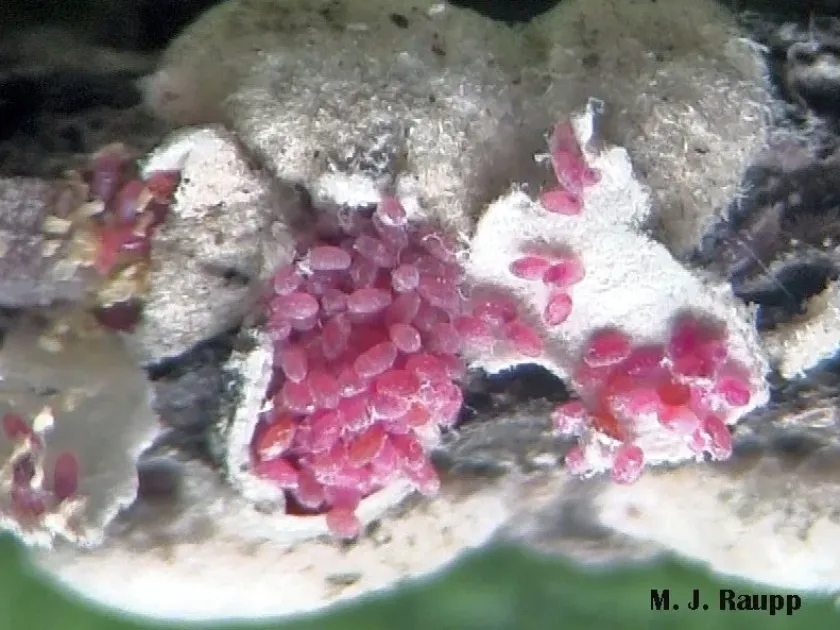
The adult females are typically sessile, remaining fixed to a single spot on the plant host, and are often protected by a felt-like or waxy sac secreted by their bodies.
Males, in contrast, are winged and ephemeral, designed primarily for reproduction, making them rarely encountered during standard plant inspections.
Due to their size and protective coverings, these pests are frequently misidentified as other types of scale insects or even fungal diseases if not inspected under magnification.
The life cycle involves several stages: egg, crawler (nymph), and adult, with the crawler stage being the most mobile and vulnerable to external control measures.
What it damages
Acanthococcus species primarily infest various woody plants, including conifers, deciduous trees, and ornamental shrubs, causing significant stress to the host plant.
By inserting their piercing-sucking mouthparts into the plant tissues, these insects extract vital phloem sap, which depletes the plant's nutrient reserves over time.
As they feed, they inject toxic saliva that often results in distorted growth, stunted foliage, and, in severe cases, the death of individual twigs or branches.
These pests also excrete honeydew, a sugary substance that coats the surface of the plant, promoting the growth of sooty mold, which impairs the plant's ability to photosynthesize.
In high-density infestations, the cumulative effect of nutrient loss and secondary fungal infections can lead to the decline or death of young or weakened trees.
When it appears
Overwintering typically occurs as fertilized females or late-instar nymphs, which find shelter in bark crevices, under branch scales, or near leaf axils.
Activity resumes in the spring as temperatures rise, signaling the start of egg-laying and the beginning of a new reproductive cycle for the pest population.
The crawler stage usually emerges in late spring or early summer, providing a specific window of opportunity for effective chemical control on the plant surface.
In warmer climates, these insects can complete more than one generation per year, significantly increasing the pressure on host plants throughout the growing season.
By autumn, the development slows down significantly, and the insects move into their overwintering positions to withstand the coming cold temperatures.
Signs of infestation
The most recognizable sign of infestation is the presence of small, white, or off-white cottony tufts on the bark, twigs, or at the base of needles.
The accumulation of sticky honeydew on the foliage or trunk often alerts gardeners to the presence of an active colony even before the scales themselves are spotted.
The subsequent appearance of black sooty mold creates an unsightly, darkened appearance on the tree, which is a major indicator of a persistent scale insect presence.
- White cottony or waxy patches on bark.
- Visible sticky honeydew deposits on foliage.
- Growth of black sooty mold on the plant.
- Yellowing and premature drop of needles or leaves.
- Increased ant activity on the tree trunk.
Affected plants may also show signs of general thinning of the canopy and a lack of healthy new growth in the spring and summer months.
Control measures
Effective management requires the application of systemic insecticides, especially during the crawler stage when the insects are not yet protected by dense waxy coverings.
Horticultural oils applied in early spring can be very effective at smothering the overwintering adults and eggs before they begin their reproductive cycle.
Sanitation practices, including the pruning and immediate disposal of heavily infested branches, are crucial for reducing the population density in the garden.
Encouraging natural predators such as ladybugs and parasitic wasps helps to keep scale populations in check through biological control methods.
Consistent monitoring and early detection are key to preventing a widespread outbreak and ensuring the long-term health and vitality of your landscape plantings.
Taxonomy
- Latin name
- Acanthococcus
- Order
- Hemiptera (bugs, aphids, leafhoppers)
- Family
- Eriococcidae
- EPPO code
- ACCCSP
Discussion
No discussions yet — be the first.