
Manuka blight
Acanthococcus orariensis
Description
How to identify
Manuka blight is caused by the insect Acanthococcus orariensis, a member of the Eriococcidae family (order Hemiptera). This pest is commonly known as a felt scale insect due to its morphology.
Adult females are sedentary and oval-shaped, encased within a protective wax-like test or ovisac. In contrast, males are winged and mobile, playing a brief role in the reproductive cycle.
These insects are extremely small, often appearing as tiny, white, fluffy specks on the bark of host plants. Their size and camouflaged color make early detection difficult without a magnifying glass.
Originating from Australia, this insect became a significant invasive species in New Zealand, where it notably affected native Manuka (Leptospermum scoparium) populations.
The taxonomic classification of this species is essential for agronomists, as it helps distinguish it from other scale insects that require different pest management strategies.
What it damages
The primary host plant is the Manuka tree (Leptospermum scoparium). The insect feeds by inserting its stylets into the plant's phloem, extracting sap and weakening the host.
Chronic infestation leads to severe stress, reduced photosynthetic capacity, and stunted growth. Heavily infested branches often show signs of dieback and may eventually perish.
A significant portion of the damage is indirect, caused by the excretion of honeydew. This sugary substance serves as a substrate for sooty mould, which smothers the leaves and inhibits light absorption.
Over time, the cumulative impact of sap extraction and mould accumulation can lead to the death of entire shrubs, particularly in environments where plants are already stressed.
While primarily a pest of Manuka, its potential to impact related Myrtaceae species is a concern for botanical garden management and plant nurseries.
When it appears
The life cycle of Acanthococcus orariensis is highly temperature-dependent. Warm weather triggers the development of larvae and facilitates the spread of the population.
The cycle encompasses the egg stage, several larval instars, and adults. Females lay numerous eggs within their protective waxy cover, ensuring high fecundity and population sustainability.
Spring and summer are periods of peak activity, characterized by the emergence of "crawlers" — first-instar larvae that move across the plant surface to find new feeding sites.
In greenhouses or temperate climates, the insect may reproduce continuously throughout the year. Wintering usually occurs in the larval or adult female stage, sheltered in cracks in the bark.
Monitoring efforts should be intensified during the active growing season, as this is the period when chemical interventions are most likely to be effective against vulnerable life stages.
Signs of infestation
The most distinctive symptom is the presence of white, cotton-like masses on the stems and leaf axils. These are the protective ovisacs produced by the females.
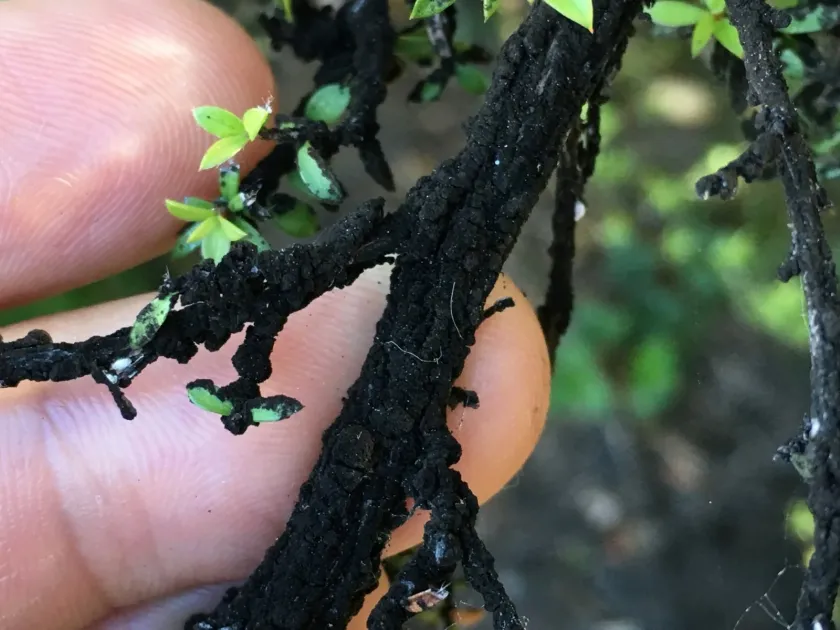
Leaves often appear glossy or sticky due to the honeydew secretion. This is quickly followed by the development of black, powdery sooty mould on the foliage.
Visual inspection of the woody stems reveals tiny, dark-colored bumps or crusty patches. When damaged, these patches may reveal the insect's soft body underneath.
Affected plants often display chlorosis (yellowing of foliage) and early leaf drop. The overall appearance of the shrub becomes sparse and unhealthy compared to unaffected specimens.
- white, cottony masses on branches
- sticky honeydew residue on foliage
- black sooty mould growth
- yellowing and premature leaf fall
- reduced growth rate and shoot dieback
Control measures
Controlling Manuka blight requires an integrated pest management (IPM) approach. Physical removal and pruning of heavily infested branches is the first line of defense.
Systemic insecticides are the most effective chemical control, as they are absorbed by the plant and kill the scale insects through sap ingestion.
Contact sprays, such as horticultural oils, are beneficial only when targeting the mobile crawler stage, as the adult protective wax layer makes them highly resistant to topical treatments.
Biological control agents, including parasitic wasps and predatory beetles, can play a significant role in keeping populations below economic threshold levels in balanced ecosystems.
Strict biosecurity measures and quarantine protocols when transporting nursery stock are critical to preventing the spread of this pest to new areas.
Taxonomy
- Latin name
- Acanthococcus orariensis
- Order
- Hemiptera (bugs, aphids, leafhoppers)
- Family
- Eriococcidae
- EPPO code
- ERIOOR
Discussion
No discussions yet — be the first.