
Boxwood scale
Eriococcus buxi
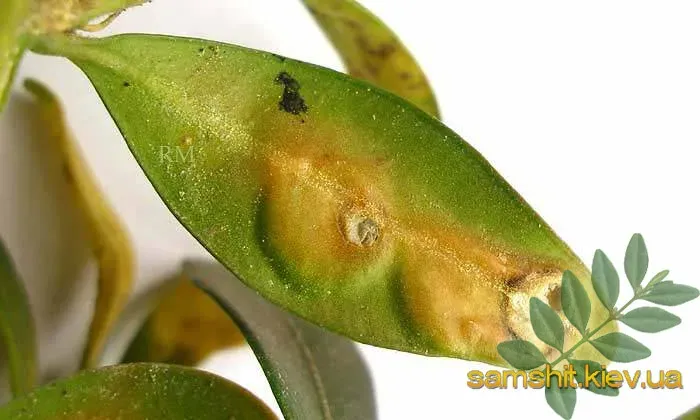
Description
How to identify
The boxwood scale (Eriococcus buxi) is a small insect belonging to the Eriococcidae family. The adult female is characterized by an oval body covered with a white, felt-like waxy secretion, which is a distinctive sign of its presence.
The crawlers (first-instar nymphs) are very mobile and yellowish-brown in color. They are capable of moving quickly across the plant to find suitable feeding sites, facilitating the spread of the infestation.
These insects prefer to hide on the underside of leaves, in leaf axils, and within the cracks of the bark. Their colonies are often overlooked until they form large, white, cottony patches on the stems or leaves.
As a host-specific pest, the boxwood scale is perfectly adapted to the boxwood plant (Buxus species). Their biology is tightly integrated with the host's phenology, ensuring their survival even under harsh conditions.
Systemically, they are sucking insects that use a specialized proboscis to pierce the plant tissue and extract sap, which can significantly weaken the host plant over time.
What it damages
The primary host of the boxwood scale is the common boxwood. It poses a threat to both nursery-grown specimens and mature shrubs used in formal landscaping and hedges.
Damage occurs when nymphs and females suck the sap from tender shoots and leaves. This removes essential nutrients from the plant, causing foliage to lose its vigor and turn yellowish.
In addition to direct damage, the insects secrete honeydew, a sticky substance that serves as a perfect medium for sooty mold fungi. This black fungus covers the leaves, inhibiting photosynthesis and ruining the plant's aesthetic value.
Heavy infestations lead to stunted growth, premature leaf drop, and dieback of individual branches. If left unchecked, the plant may lose all its decorative appeal and eventually die from severe exhaustion.
Furthermore, plants weakened by scale insects are more susceptible to winter injury, drought, and secondary infections, making recovery difficult without active intervention.
When it appears
The boxwood scale lifecycle is synchronized with the boxwood's growing season. In the spring, as temperatures rise, the overwintered nymphs become active and start feeding.
The crawler stage, which is the most vulnerable period, usually occurs between late May and June. This is when the insects are most active and susceptible to targeted chemical treatments.
The species typically completes one generation per year. Females lay eggs under their protective felt-like sacs, which provide an excellent shelter for the developing offspring during the summer months.
As autumn approaches, the development of the second-instar nymphs slows down, and they enter diapause. They spend the winter hiding in bark crevices and protected areas of the plant until the next spring.
Regular monitoring from early spring through the end of summer is essential for the early detection of crawlers, which allows for more effective control before the population explodes.
Signs of infestation
The first signs of infestation include a decrease in plant growth rate and the distortion of new shoots. Leaves may begin to yellow or lose their natural glossy green appearance without any obvious reason.
Careful inspection of the leaf undersides reveals the presence of small, white, cottony masses. If disturbed, these may release a fluid, confirming the presence of live insects underneath.
The presence of sticky honeydew on the foliage or a layer of black sooty mold is a clear indicator that the scale colony has reached a significant size and has been active for some time.
- White waxy tufts on bark and leaf undersides.
- Sticky honeydew residue on the leaves.
- Black sooty mold covering the boxwood foliage.
- Stunted growth and twig dieback.
Massive leaf drop during the summer is a critical symptom of a severe infestation, indicating that the plant's vascular system is being compromised by a high population of scale insects.
Control measures
Effective control of boxwood scale requires a multi-faceted approach. Systemic insecticides, such as those containing imidacloprid or acetamiprid, are generally the most effective as they are absorbed into the plant sap.
Timing is crucial: the first application should be done in early spring before growth starts, and the second should target the crawler stage in late spring or early summer for maximum impact.
Thorough coverage is essential; use a sprayer to reach the inner canopy and the underside of leaves. Adding a surfactant (sticker) to the insecticide mix can help penetrate the waxy protective layer of the scale.
Pruning out heavily infested branches is a recommended cultural practice. All removed material should be burned or disposed of far from the garden to prevent the spread of crawlers to healthy plants.
Proper plant health care, including adequate watering and fertilization, helps the boxwood recover more quickly from the stress caused by the infestation and strengthens its natural defenses.
Taxonomy
- Latin name
- Eriococcus buxi
- Order
- Hemiptera (bugs, aphids, leafhoppers)
- Family
- Eriococcidae
- EPPO code
- ERIOBU
Discussion
No discussions yet — be the first.