
Epistrophe eligans
Epistrophe eligans
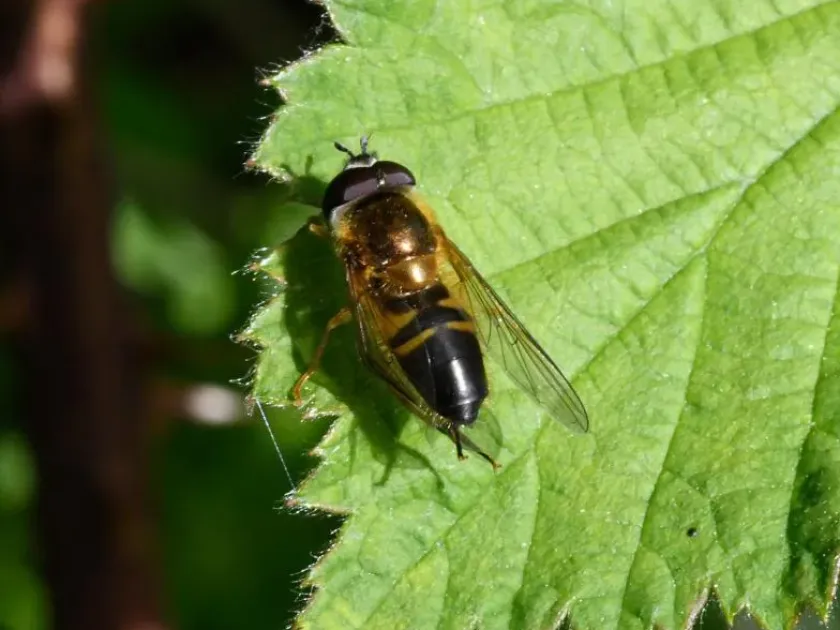
Description
How to identify
Epistrophe eligans belongs to the hoverfly family (Syrphidae) and is a common insect found in various garden and agricultural ecosystems across Europe.
Adult hoverflies are easily recognized by their yellow and black abdominal markings, which effectively mimic wasps to deter potential predators.
These insects are distinct due to their specialized flight behavior, frequently hovering stationary in mid-air before darting to another flower.
The larvae are typically slender, legless, and may appear green or translucent, allowing them to blend perfectly with the foliage where they hunt.
Unlike stinging wasps, Epistrophe eligans is completely harmless to humans and serves as an important pollinator during its adult stage.
What it damages
Strictly speaking, Epistrophe eligans is not a pest but a beneficial predator that provides essential biological control against aphid infestations.
The larvae consume large quantities of aphids, effectively preventing localized outbreaks that could damage crops or ornamental plants.
By keeping aphid populations in check, these hoverflies act as a natural alternative to chemical insecticides in horticultural environments.
Damage to crops is strictly absent; however, improper agricultural practices such as excessive pesticide use can eliminate these beneficial insects.
Farmers and gardeners benefit significantly from the presence of these predators, as they reduce the overall pest pressure on sensitive plant varieties.
When it appears
The flight activity of adult Epistrophe eligans typically begins in early spring, synchronized with the bloom of early nectar-producing flowers.
Peak abundance of adults occurs during late spring and early summer, which coincides with the primary breeding period of aphid colonies.
Larval development takes place throughout the summer months when aphid prey is most abundant on host plants.
Depending on local climate conditions, the species can produce multiple generations within a single growing season to maintain biological balance.
The life cycle concludes with overwintering, usually in the pupal stage, hidden within the soil or beneath dense vegetation debris.
Signs of infestation
The primary sign of their presence is the observation of hoverflies remaining perfectly still in the air above flowers in sunlight.
Larval presence is detected during close inspections of aphid-infested leaves, where they are seen feeding on their prey.
A reduction in aphid density on young, tender shoots without the application of sprays is a strong indicator of successful larval activity.
The health of the local ecosystem is visually confirmed by the presence of these hoverflies, suggesting minimal chemical impact on the area.
Gardeners may observe larvae actively grasping and consuming individual aphids, which is a clear sign of effective natural pest management.
Control measures
No control measures are needed against Epistrophe eligans, as it is a highly valued natural ally in any integrated pest management strategy.
The primary objective for growers is to avoid the use of broad-spectrum insecticides that kill both pests and beneficial hoverflies.
Encourage colonization by planting flower strips featuring species like dill, fennel, or other nectar-rich plants to support adult populations.
Maintain semi-natural habitats around crop fields to provide overwintering sites for the pupae of these beneficial hoverflies.
Adopting biological control practices ensures that the natural predatory cycle remains active, reducing the need for intensive chemical interventions.
Taxonomy
- Latin name
- Epistrophe eligans
- Order
- Diptera (flies)
- Family
- Syrphidae
- EPPO code
- EPIREL
Discussion
No discussions yet — be the first.