
Allograpta fracta
Allograpta fracta
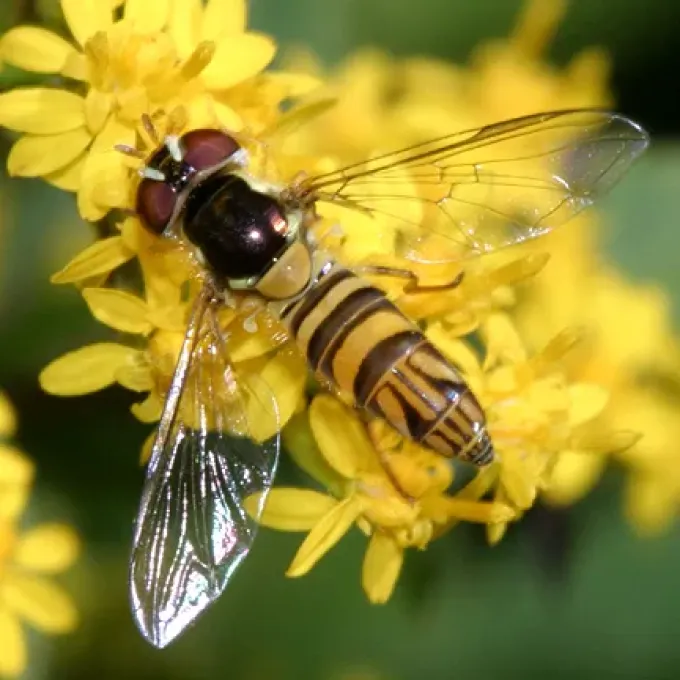
Description
How to identify
Allograpta fracta is a species of hoverfly within the family Syrphidae of the order Diptera. While many hoverflies are beneficial pollinators or aphid predators, this specific species can cause damage to plant tissues.
The adult fly is characterized by a wasp-like appearance, featuring distinct yellow and black bands across its abdomen. Its wings are clear and show a specific venation pattern common to syrphids.
The larvae are legless and cylindrical, typically pale green or yellowish, allowing them to blend into the foliage of their host plants. They are soft-bodied and move with a creeping motion.
The life cycle undergoes complete metamorphosis, consisting of four stages: egg, larva, pupa, and adult. Each stage is adapted to specific environmental conditions to ensure survival.
Proper identification is crucial, as misclassification may lead to the unnecessary destruction of beneficial insects. Consulting a specialist or using microscopic examination of larvae is recommended.
What it damages
This species primarily feeds on plants in the Asteraceae family and some Brassicaceae. It is known to impact young seedlings of various green vegetables and salad crops.
Larvae feed by boring into the stems or roots, which disrupts the vascular system. This interference prevents the transport of water and nutrients, leading to physiological stress.
Damage to the apical meristem or growing point is particularly severe, often resulting in stunted growth or the total death of the young plant.
The wounds caused by the larvae serve as entry points for secondary pathogens, including bacteria and fungi, which can exacerbate the damage and lead to crop rot.
Economic losses are typically highest in intensive farming systems where host plants are grown in close proximity without adequate fallow periods.
Signs of infestation
The first external sign of infestation is often the wilting of young leaves, even in the presence of sufficient soil moisture. This is caused by stem damage.
Upon closer inspection, farmers may notice tiny boreholes on the stem surface, often surrounded by frass, which is a clear indicator of larval activity inside the plant.
Deformed leaves and an uneven, patchy appearance in the crop field are characteristic indicators that the pest is actively feeding in the area.
Necrotic lesions may appear on the foliage as the plant tissue begins to die due to the disruption caused by the larvae's feeding habits.
- Stunted development of seedlings.
- Wilting of terminal shoots.
- Presence of exit holes in stems.
- Yellowing or chlorosis of the affected leaves.
Control measures
Integrated Pest Management (IPM) strategies are essential. Crop rotation is the most effective cultural practice to disrupt the life cycle of this pest.
Mechanical control, such as deep plowing after harvest, is highly effective as it buries the pupae, preventing them from emerging as adults in the following season.
Chemical control should be applied judiciously, targeting the larval stage before they bore deep into the plant tissues where they become protected from contact insecticides.
Biological control, including the encouragement of natural predators and parasitic wasps, can help maintain population levels below the economic threshold.
Removing alternative host weeds from field margins reduces the pest's reservoir and limits its ability to migrate into the primary production fields.
Taxonomy
- Latin name
- Allograpta fracta
- Order
- Diptera (flies)
- Family
- Syrphidae
- EPPO code
- ALLGFR
Discussion
No discussions yet — be the first.