
Allograpta exotica
Allograpta exotica
Description
How to identify
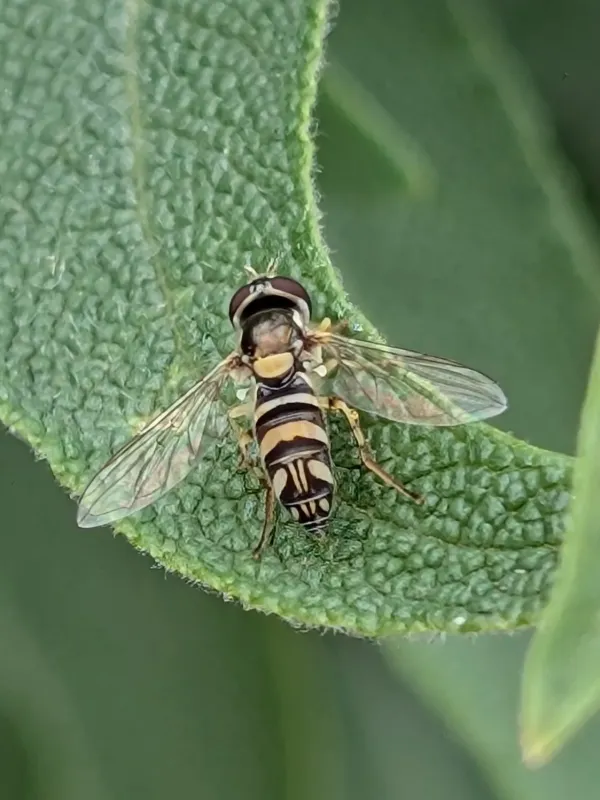
Allograpta exotica is a species belonging to the family Syrphidae (hoverflies), within the order Diptera. Adults are typically recognizable by their wasp-like yellow and black abdominal markings, which serve as a form of Batesian mimicry.
The adult fly measures approximately 6 to 9 millimeters in length and is known for its exceptional agility and ability to hover motionless in the air before darting away.
The larvae are legless, slug-like, and often greenish or translucent, blending perfectly with the foliage of the host plants where they reside.
The life cycle encompasses four distinct stages: egg, larva, pupa, and adult, with each phase being highly sensitive to temperature and humidity variations.
While many members of the Syrphidae family are considered beneficial, this specific species requires careful monitoring to ensure it does not transition into a pest status in commercial crops.
What it damages
The primary hosts of Allograpta exotica include various vegetable crops and decorative plants, especially those cultivated in greenhouses or intensive garden environments.
Damage occurs when the larvae feed on plant tissues, leading to weakened growth, stunted stems, and potential yield reduction if the infestation is heavy.
Young, succulent tissues are particularly susceptible, as the larvae often target terminal buds and young leaves, disrupting the plant's natural development.
In cases of severe infestation, the cosmetic quality of ornamental plants is significantly reduced, rendering them unsuitable for commercial sale.
Continuous feeding on the foliage can create entry points for opportunistic plant pathogens, indirectly causing further health deterioration of the crop.
Signs of infestation
Visual identification of adults hovering above the canopy during warm, sunny periods is often the first indicator of their presence in the field.
Signs of larval activity include curled or deformed young leaves, which provide shelter for the larvae during their feeding stage.
Minute tracks or pale discoloration on the leaf surface are indicative of the larvae grazing on the epidermis, leaving visible scars behind.
Presence of larval waste or cast skins near the stems suggests a sustained presence and active development of the pest population.
- Stunted terminal growth.
- Leaf curling and deformation.
- Visible presence of slug-like larvae on undersides of leaves.
Control measures
Implementing yellow sticky traps is a standard and effective method for monitoring the population density of adult Allograpta exotica throughout the season.
Cultural control practices, such as removing surrounding weeds and cleaning greenhouse structures, are essential to eliminate alternative habitats and breeding sites.
Biological control using natural predators or entomopathogenic fungi can be employed to manage populations without relying solely on chemical inputs.
If the pest population crosses the economic threshold, the application of targeted insecticides is recommended, ensuring compatibility with other beneficial insects.
Regular monitoring combined with good agricultural hygiene remains the most sustainable approach to preventing significant damage from this hoverfly species.
Taxonomy
- Latin name
- Allograpta exotica
- Order
- Diptera (flies)
- Family
- Syrphidae
- EPPO code
- ALLGEX
Discussion
No discussions yet — be the first.