
Epistrophe
Epistrophe
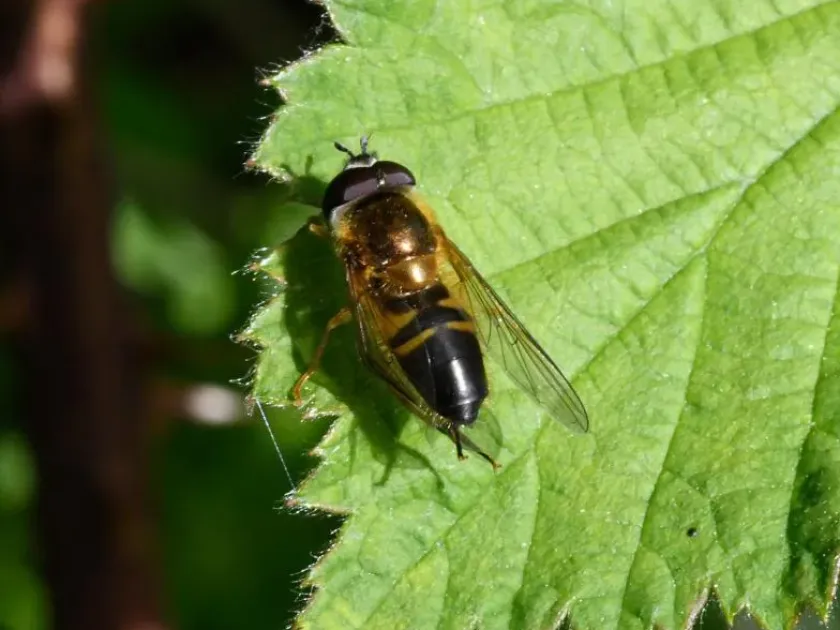
Description
How to identify
The genus Epistrophe belongs to the Syrphidae family, commonly known as hoverflies or flower flies. These insects are famous for their ability to hover motionless in the air before darting away suddenly.
Adults exhibit Batesian mimicry, often displaying yellow and black stripes that resemble those of wasps or bees. However, they are completely harmless to humans as they lack stings and possess mouthparts adapted for nectar.
The larvae are typically slug-like, pale green or yellow, and possess no visible legs. They are specifically adapted to navigate through dense colonies of aphids, using their bodies to remain inconspicuous while hunting.
Identification of the adult often requires examining the wing venation and abdominal markings, as many species within the family Syrphidae look similar to the untrained eye.
They are among the most important beneficial insects in temperate ecosystems, serving both as pollinators in their adult stage and as predators in their larval stage.
What it damages
Contrary to the status of a pest, Epistrophe is a highly beneficial organism in agricultural and horticultural landscapes. They do not cause any damage to plants, trees, or flowers.
The larvae are voracious predators of aphids. A single larva can consume hundreds of aphids during its developmental period, significantly reducing pest pressure on the host plant.
By controlling aphid populations, these insects prevent the spread of plant viruses often transmitted by sap-sucking pests and reduce the accumulation of sooty mold caused by aphid honeydew.
In modern agronomy, protecting these hoverflies is considered a key component of sustainable pest management. They provide an essential service that reduces the need for synthetic chemical interventions.
Their impact is entirely positive. Farmers and gardeners should encourage their presence to maintain a healthy balance between predators and plant-feeding pests in the garden environment.
When it appears
The activity of Epistrophe begins in early spring, as soon as temperatures allow for floral nectar availability. Adults require pollen and nectar to mature their eggs.
The life cycle is closely synchronized with the emergence of aphids. Females actively search for aphid-infested plants to lay their eggs, ensuring the larvae have immediate access to a food source upon hatching.
Multiple generations can occur throughout the growing season, with development rates highly dependent on ambient temperatures. Warm, stable weather generally favors faster development.
As winter approaches, the insects seek protected sites such as leaf litter or crevices in bark to enter a state of diapause. They remain dormant until the warmth of spring triggers the start of a new cycle.
During the peak of the season, a high density of flowering plants provides the necessary energy for the adults to maintain high levels of egg production and predatory activity.
Control measures
Conservation of Epistrophe is the primary strategy for managing their population. The most important step is to limit the use of broad-spectrum insecticides, especially during the bloom period.
Establishing floral strips with plants like dill, coriander, buckwheat, and sweet alyssum is an excellent way to attract and retain these beneficial flies in agricultural fields.
Incorporate integrated pest management (IPM) practices by monitoring aphid populations. If a sufficient number of hoverfly larvae are present, chemical control might not be necessary at all.
Reducing soil disturbance can help protect pupae that may be overwintering near the base of plants or in the soil. Maintaining diverse habitats supports overall biodiversity and natural pest suppression.
Educating growers about distinguishing beneficial hoverflies from stinging insects is crucial, as misidentification often leads to the unnecessary destruction of these valuable natural allies.
Taxonomy
- Latin name
- Epistrophe
- Order
- Diptera (flies)
- Family
- Syrphidae
- EPPO code
- EPIRSP
Discussion
No discussions yet — be the first.