
Giant wood moth
Endoxyla cinereus
Description
How to identify
The Giant wood moth (Endoxyla cinereus) is a member of the Cossidae family, widely known for being one of the heaviest moths in the world.
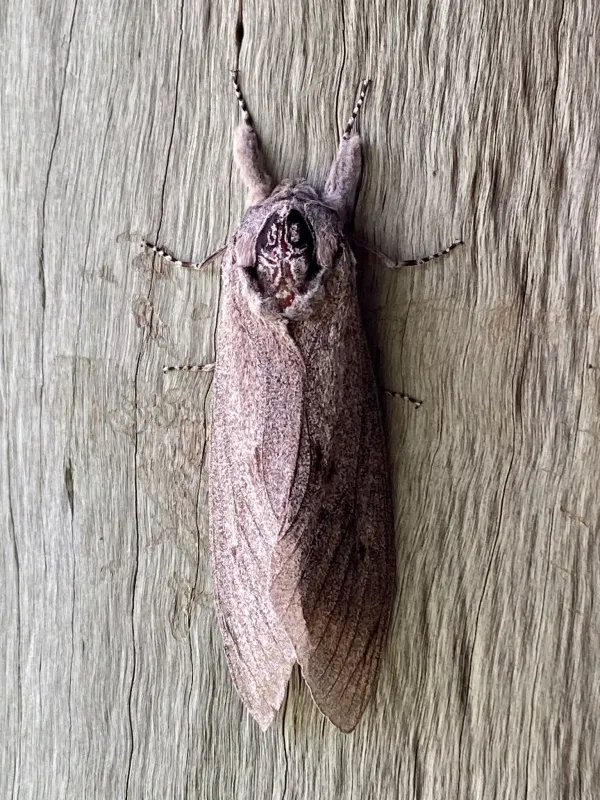
The adult moth possesses a mottled grey-brown pattern that provides excellent camouflage against tree bark, making it difficult to spot in the wild.
The female is significantly larger and heavier than the male, with a wingspan that can reach up to 25 centimeters, while the males are much smaller.
The larval stage is the longest part of its life cycle, during which the caterpillar spends several years boring deep into the woody tissues of the host tree.
Emergence occurs after pupation, where the adult moth exits the tree through a circular hole, leaving a clear indicator of the pest's presence.
What it damages
The species primarily targets eucalyptus trees, causing significant structural damage to the timber as the larvae tunnel through the trunk.
These massive larvae consume the inner bark and sapwood, which severely interferes with the tree's physiological processes, including nutrient transport.
Repeated or severe infestations lead to the weakening of the tree's structural integrity, making it susceptible to wind damage and secondary decay.
Large-scale infestations in plantations can lead to economic losses due to the degradation of wood quality and potential tree death.
Although they prefer eucalyptus, they may occasionally affect other hardwoods if their primary host species are unavailable or stressed.
Signs of infestation
The most prominent sign of infestation is the presence of large, circular holes in the tree trunk, often surrounded by accumulation of frass.
Frass, which consists of wood shavings and larval excrement, often piles up at the base of the tree or gets trapped in bark crevices.
Dying branches or a thinning canopy often appear as the internal boring activity compromises the tree's vascular system over time.
Sap exudation or weeping wounds on the bark surface are common defensive responses by the tree to the damage caused by the tunneling larvae.
Structural hollowness, detectable by tapping the trunk, indicates that the larvae have removed a significant portion of the internal wood volume.
Control measures
Preventative measures, such as maintaining healthy tree vigor and avoiding water stress, are the most effective ways to discourage infestation.
Sanitation of infested areas, including the removal of dead or dying trees, is crucial to reduce the population density of the moth.
Chemical control is rarely effective for broad-scale use, though targeted application into the entry holes can save specific specimen trees.
Encouraging biological control agents, such as insectivorous birds that prey on larvae or parasitoid wasps, helps regulate the moth population naturally.
Careful monitoring in nurseries ensures that newly planted trees are not carrying larvae, preventing the spread of the pest to new environments.
Taxonomy
- Latin name
- Endoxyla cinereus
- Order
- Lepidoptera (butterflies)
- Family
- Cossidae
- EPPO code
- EDXLCI
Discussion
No discussions yet — be the first.