
Onion moth (Dyspessa ulula)
Dyspessa ulula
Description
How to identify
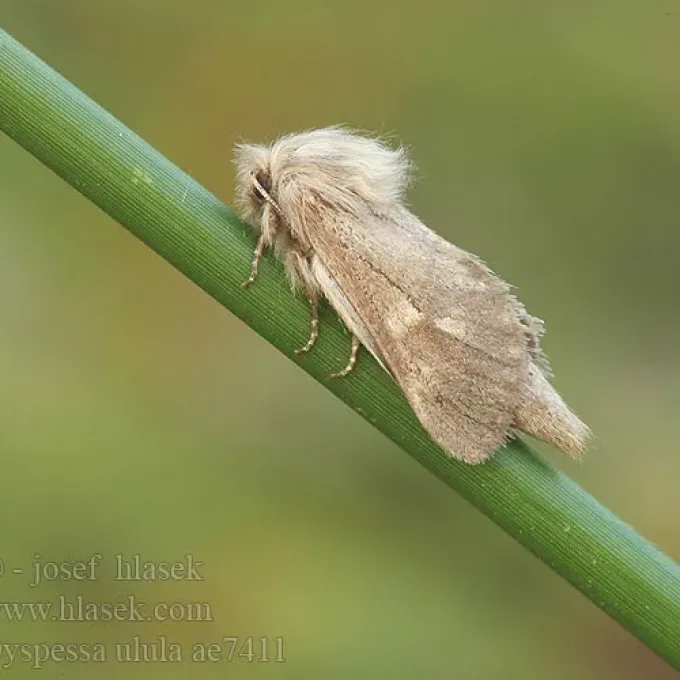
The onion moth (Dyspessa ulula) is a moth species belonging to the family Cossidae in the order Lepidoptera. The adult moth has a wingspan of approximately 20–30 mm and is characterized by a grey or brownish mottled pattern on its forewings.
The larva, or caterpillar, grows up to 25 mm in length. It possesses a cylindrical body that is creamy-white in color, often featuring a distinct brown head. The life cycle consists of a complete metamorphosis: egg, larva, pupa, and adult.
These moths typically inhabit dry, open environments but have successfully adapted to agricultural fields. They overwinter as advanced-stage larvae hidden within the soil or deep inside host plant remains.
Pupation occurs in spring, with the caterpillar constructing a loose cocoon made of silk and soil particles. This stage typically lasts for several weeks, depending on the soil temperature and overall climatic conditions.
The flight period of the adults usually coincides with the late spring and early summer, when onions and garlic are actively growing. Being nocturnal, these moths are rarely seen during the day.
What it damages
The larvae primarily feed on cultivated onion species and garlic. By boring into the bulb or the base of the plant stem, they consume internal tissues, which is highly detrimental to the plant's health.
This feeding activity causes the destruction of the bulb's structural integrity, leading to rapid decay. Weakened plants become highly susceptible to secondary bacterial and fungal infections, which often accelerate plant death.
Crop loss can be severe, especially during the bulb development phase. Even in cases of minor infestation, the commercial value of the crop is significantly reduced due to the damaged appearance of the bulbs.
Because the larvae reside inside the bulb, the damage often remains unnoticed until the plant starts to wither and collapse. This hidden nature of the pest makes monitoring quite challenging.
In addition to agricultural damage, the presence of these larvae renders the harvested crop unsuitable for long-term storage, as rotting can quickly spread to healthy bulbs in a storage facility.
Signs of infestation
The first external sign of an infestation is the premature yellowing and wilting of the onion foliage, which can easily be mistaken for water stress or nutrient deficiency.
When pulling an infected plant, it often separates easily from the soil as the roots and the base of the bulb have been hollowed out by the larvae.
Upon closer inspection, one can find entry holes on the base of the bulb. Inside, there is typically evidence of larval activity, such as frass (excrement) resembling brown sawdust.
The internal tissue of an infested bulb shows extensive tunneling and often displays signs of rot. The plant may emit a foul odor caused by the decomposition of the damaged tissues.
Mass infestations lead to patchy distribution across the field, where groups of plants turn yellow and collapse, leaving noticeable gaps in the crop rows.
Control measures
Effective crop rotation is the most critical management strategy. It is recommended to avoid planting onion family crops on the same site for at least three to four years to break the pest's reproductive cycle.
Deep autumn plowing or soil cultivation after harvest is essential to expose overwintering larvae to cold temperatures and natural predators, which significantly reduces the population for the next season.
Meticulous removal and destruction of all crop residues are necessary to eliminate potential overwintering sites. Sanitation in and around the field helps to keep the moth population in check.
Biological control methods, such as applying entomopathogenic agents, can be used as a targeted approach to reduce the number of larvae without relying on broad-spectrum chemicals.
If chemical intervention is deemed necessary, insecticides should be applied according to local guidelines, ensuring all safety intervals for harvesting are strictly respected to protect human health.
Taxonomy
- Latin name
- Dyspessa ulula
- Order
- Lepidoptera (butterflies)
- Family
- Cossidae
- EPPO code
- DYSPUL
Discussion
No discussions yet — be the first.