
Cotton stainer bug
Dysdercus mimulus
Description
How to identify
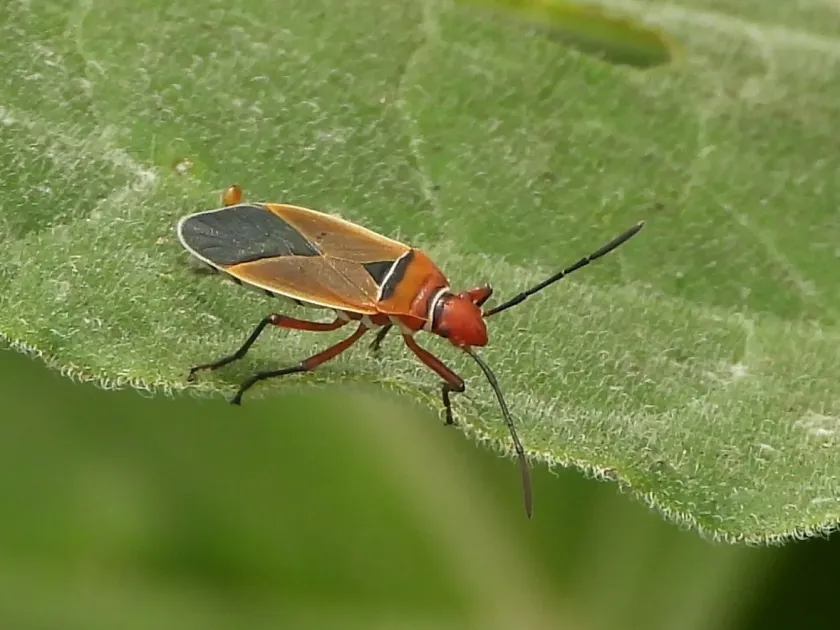
The Cotton stainer bug (Dysdercus mimulus) is a prominent pest belonging to the family Pyrrhocoridae, order Hemiptera. Adult bugs are easily recognized by their striking red and black warning coloration, which serves as a defense mechanism.
These insects typically measure between 10 and 15 mm in length. They possess a four-segmented antenna and a specialized proboscis designed to pierce and suck fluids from seeds and developing fruits.
The life cycle of this bug involves incomplete metamorphosis, progressing through egg, nymph, and adult stages. Nymphs resemble miniature adults but lack fully developed wings, growing through several instars.
Females lay their eggs in moist soil or sheltered areas near host plants. The eggs are typically protected from environmental stressors, ensuring a high rate of successful hatching and development.
They are primarily found in warm climates, where favorable temperatures allow for multiple generations to occur during a single growing season, leading to rapid population growth.
What it damages
The primary agricultural impact of the Cotton stainer bug is centered on cotton crops. The bugs pierce the bolls to feed on the developing seeds, which are rich in nutrients.
Besides cotton, they are known to feed on other plants in the Malvaceae family, including various weeds, which act as alternative hosts when cotton is not available in the field.
Feeding involves injecting salivary enzymes into the plant tissue, which causes the cotton fiber to stain yellow or brown and degrades the quality of the seed, making it unsuitable for oil extraction.
Damaged bolls frequently open prematurely or drop from the plant entirely. This leads to substantial reductions in yield quantity and significant losses for cotton farmers.
Secondary damage occurs because the puncture wounds created by the bugs allow fungi and bacteria to enter the plant, leading to internal rotting and further loss of marketable harvest.
Signs of infestation
Visible signs of infestation include small, dark puncture marks on the surface of cotton bolls. These spots often indicate where the bug has inserted its proboscis to feed.
Aggregations of bugs on stems and leaves are a clear indicator of a high-density population. They are often seen sunning themselves on the plants during warmer periods of the day.
Internal examination of infested bolls typically reveals stained, brittle, or discolored fibers, as well as withered seeds that lack the viability needed for healthy germination.
Premature boll shedding is a major symptom of severe infestation. If fields show irregular patches of stunted plant growth and dropped bolls, it likely suggests intense pest pressure.
The presence of mold growth inside the bolls is a secondary consequence of bug activity, often appearing as patches of dark or fuzzy growth due to pathogens entering through the puncture holes.
Control measures
Effective sanitation is paramount, involving the thorough destruction of crop residues and weeds after harvest to eliminate overwintering sites for the adult bugs.
Crop rotation and maintaining a weed-free environment, especially by removing Malvaceae weeds around field perimeters, are essential practices to reduce the pest's alternative habitats.
When monitoring indicates that the economic injury level has been reached, the application of registered insecticides is recommended to protect the bolls during their critical development stage.
Integrated Pest Management (IPM) strategies, including the conservation of natural predators and parasitoids, can help keep bug populations below levels that cause significant damage.
The use of pheromone traps or systematic field scouting helps growers identify the arrival and initial spread of the insects, allowing for precise and timely intervention.
Taxonomy
- Latin name
- Dysdercus mimulus
- Order
- Hemiptera (bugs, aphids, leafhoppers)
- Family
- Pyrrhocoridae
- EPPO code
- DYSDMI
Discussion
No discussions yet — be the first.