
Dindymus
Dindymus
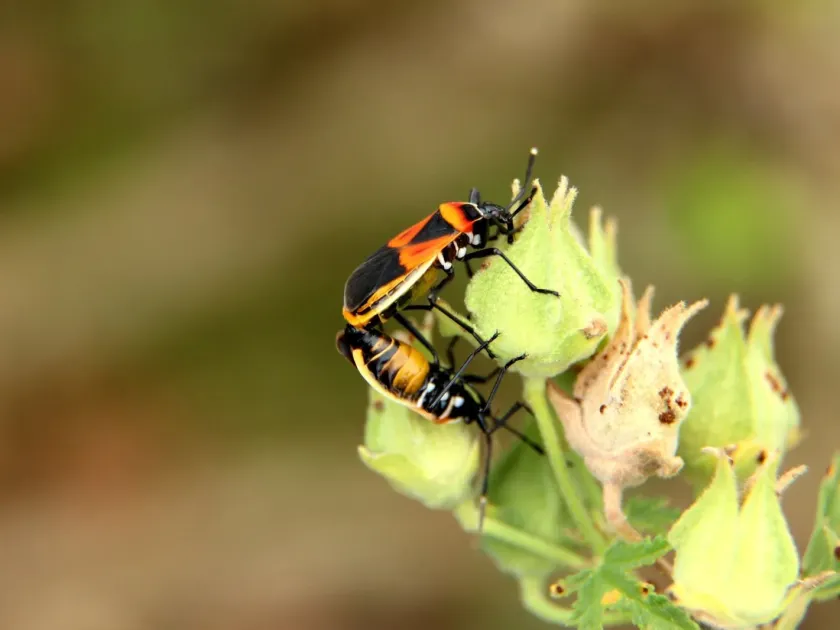
Description
How to identify
The genus Dindymus belongs to the family Pyrrhocoridae, commonly known as firebugs or red bugs. These insects are easily recognized by their striking coloration, often featuring vibrant red, orange, and black patterns.
Adult insects typically measure between 10 and 15 mm in length. Their bodies are elongated, and the head and pronotum are usually darkened, while the hemelytra display distinctive markings specific to the species.
The nymphs go through several developmental stages before becoming sexually mature adults. During these stages, they look similar to the adults but lack full-grown wings and are generally smaller in size.
These bugs are primarily diurnal, meaning they are active during the day. They often aggregate in large colonies on tree trunks or on the stems of host plants, which makes them highly visible to gardeners.
Environmental factors, especially temperature, play a crucial role in the lifecycle of Dindymus. Warmer seasons facilitate faster reproduction and a higher survival rate for the next generation of pests.
What it damages
Dindymus species are polyphagous, meaning they feed on a variety of food sources including seeds, young shoots, and ripening fruits. They use their piercing-sucking mouthparts to extract vital nutrients.
They pose a threat to a wide range of plants, including ornamental flowers, fruit trees, and various vegetable crops. By feeding on the sap, they drain the plant's energy and stunt its overall growth.
Fruit damage is a major concern, as the feeding process leaves visible spots and punctures on the surface. This reduces the quality of the harvest and can lead to premature fruit drop.
Beyond direct feeding damage, the punctures created by the bugs allow secondary infections like fungi or bacteria to enter the plant tissues. This can result in significant tissue necrosis and plant decay.
Large colonies can quickly overwhelm young or sensitive plants, making prompt management of these pests essential to prevent widespread damage within a garden or orchard.
Signs of infestation
The most obvious sign of an infestation is the presence of brightly colored clusters of bugs on plants. They tend to gather in groups, making them easy to spot during regular inspections.
Look for small, discolored spots or punctures on the leaves and fruit surface. These spots are the direct result of the bugs' feeding activity and can lead to yellowing of the surrounding tissue.
Deformed fruit or shriveled young shoots are clear indicators of a heavy infestation. In severe cases, the plant may show signs of wilting even when water supply is adequate.
Dark fecal spots on the leaves or stems are another sign of active feeding. These small dots provide evidence that the bugs have been present in that specific area for some time.
Finding a mix of adult bugs and nymphs indicates an established breeding population on the site. This suggests that without intervention, the infestation will continue to grow over the season.
Control measures
Manual removal is the most direct and environmentally friendly method for managing small populations. Simply shaking the insects off the plants or collecting them by hand can significantly reduce their numbers.
Good agricultural practices are vital for long-term control. Keep the area free of weeds that act as alternative host plants and clear away debris where the bugs might seek shelter during the colder months.
Biological control agents, such as insect-pathogenic fungi, can be used to manage population outbreaks. These methods target the pests without harming beneficial garden insects like bees or ladybugs.
In cases of severe infestation, targeted application of contact insecticides may be necessary. Always ensure the products are applied according to the label instructions, respecting pre-harvest intervals.
- Regular monitoring of host plants.
- Sanitation by removing garden waste.
- Strategic use of recommended insecticides.
Taxonomy
- Latin name
- Dindymus
- Order
- Hemiptera (bugs, aphids, leafhoppers)
- Family
- Pyrrhocoridae
- EPPO code
- DINYSP
Discussion
No discussions yet — be the first.