
Dindymus versicolor
Dindymus versicolor
Description
How to identify
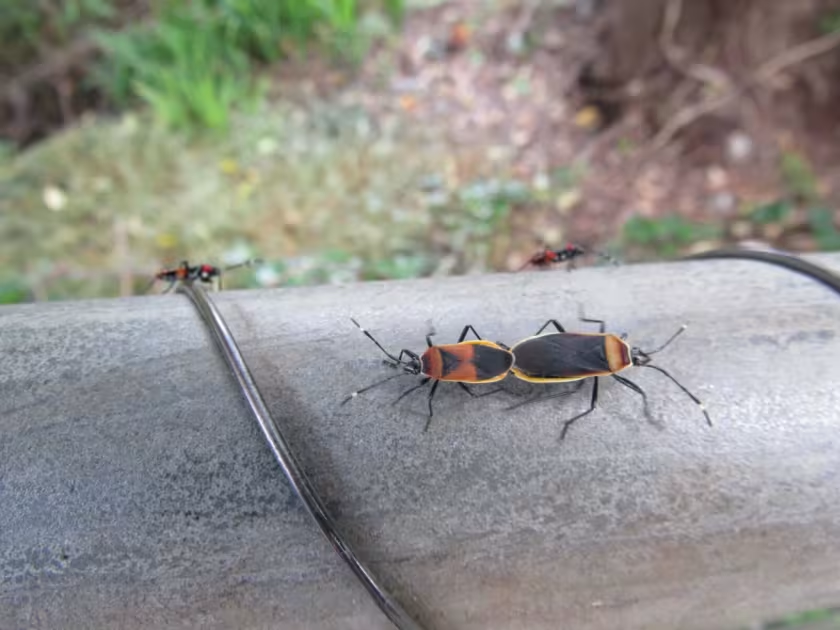
Dindymus versicolor, commonly known as the harlequin bug or red-spotted bug, belongs to the Pyrrhocoridae family. It is easily recognized by its vibrant orange, red, and black markings.
Adult insects reach approximately 10 to 12 mm in length. Their bodies are flattened, allowing them to hide in narrow crevices of tree bark, which is a common site for their colonies.
Nymphs follow a similar color pattern to adults but lack fully developed wings. They tend to cluster together, particularly in protected areas or on the shaded sides of stems and leaves.
These bugs are hemimetabolous, meaning they go through incomplete metamorphosis. Their coloration serves as an aposematic signal to warn potential predators of their foul-tasting nature.
Proper identification is crucial for effective management, as they are often confused with other harmless bug species that do not cause significant damage to agricultural crops.
What it damages
This pest is a generalist feeder, causing damage to a wide range of horticultural and ornamental plants. It feeds by piercing plant tissues with its mouthparts to extract sap.
Feeding damage results in localized tissue death, yellowing of foliage, and stunted growth. In severe cases, the entire plant may show signs of wilting and premature decline.
The insects also damage fruits, leaving unsightly puncture marks that degrade market quality. These wounds can become entry points for secondary pathogens and fungal infections.
When present in large numbers, these bugs significantly deplete plant resources, leading to reduced flower and fruit set, which directly translates into yield losses for farmers.
While they show a preference for certain host plants, they are highly mobile and can migrate between different plant species in a garden, spreading damage across the entire site.
When it appears
The seasonal activity begins in early spring when overwintering adults emerge from hibernation. They quickly seek out host plants to initiate the first reproductive cycle of the year.
During mid-summer, population levels peak as multiple generations overlap. Hot and dry weather conditions are particularly conducive to the rapid growth of their colonies.
As autumn approaches, the insects become less active and start searching for suitable overwintering sites, such as leaf litter, cracks in structures, or dense vegetation.
Environmental monitoring during late spring is essential to detect early infestations before the populations reach levels that are difficult to manage with simple measures.
Understanding these phenological stages allows agricultural producers to apply interventions at the most vulnerable points in the bug's life cycle, increasing control efficiency.
Signs of infestation
Visible colonies clustered on tree trunks or the underside of leaves are the most apparent sign of an active Dindymus versicolor infestation on your property.
Leaf curling, yellowing, and mosaic-like patterns of chlorosis are typical symptoms caused by the persistent removal of nutrients from the vascular system of the plant.
Small, dark, necrotic spots on developing fruits are a clear indication that the bugs are using them as a food source, often leading to fruit deformation and rotting.
Reduced vigor and poor development of young seedlings are secondary indicators. If the plants are struggling despite adequate fertilization, pest presence should be investigated.
Accumulation of shed skins (exuviae) near the base of plants or on stems serves as evidence that the insect population is well-established and growing in the immediate vicinity.
Control measures
Cultural control is the first line of defense. Keeping gardens tidy by removing piles of debris and clearing weeds minimizes the habitats available for the bugs to overwinter.
Physical removal is effective for home gardens. Spraying clusters of insects with a strong jet of water or using a handheld vacuum can drastically reduce their numbers.
Biological control options involve using soaps or horticultural oils that target the soft-bodied nymphs while being relatively safe for the surrounding environment and beneficial insects.
Chemical control should be reserved for severe outbreaks. Always select products labeled for use against Hemiptera and follow all safety protocols to minimize off-target effects.
- Sanitize gardening equipment.
- Install physical barriers.
- Encourage local predator species.
- Monitor populations weekly.
- Manage host weed species.
Taxonomy
- Latin name
- Dindymus versicolor
- Order
- Hemiptera (bugs, aphids, leafhoppers)
- Family
- Pyrrhocoridae
- EPPO code
- DINYVE
Discussion
No discussions yet — be the first.