
Drypta
Drypta
Description
How to identify
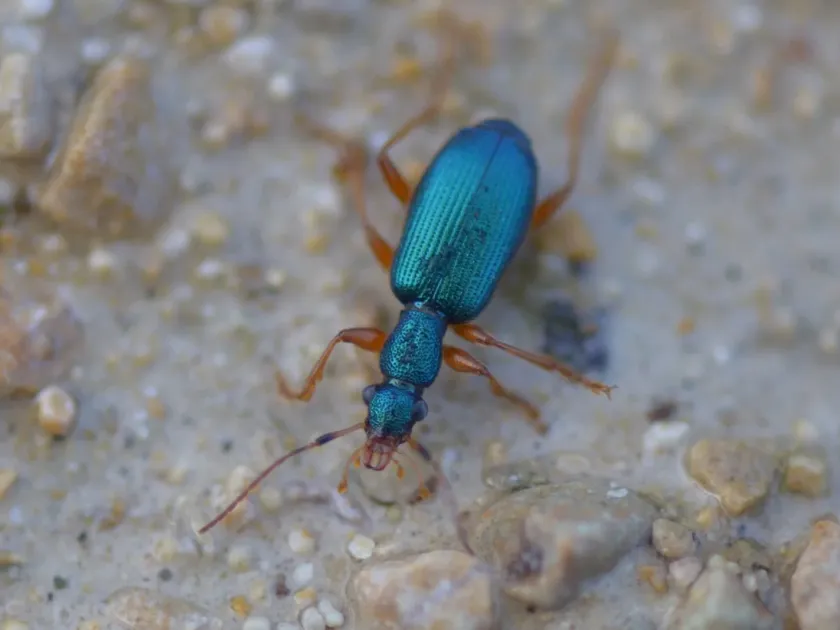
Drypta is a genus of ground beetles (Carabidae) in the order Coleoptera. These predatory insects are characterized by an elongated body, often displaying a distinctive blue or green metallic sheen.
The morphology of adult Drypta includes an elongated pronotum and long limbs, which enable rapid movement within dense vegetation. Their heads are equipped with powerful mouthparts adapted for capturing prey.
The larvae of these ground beetles lead a concealed life, inhabiting the soil layer or beneath plant debris. Unlike many specialized pests, they are primarily predatory throughout their larval stages.
While primarily predators, Drypta may occasionally damage the vegetative parts of crops when natural prey populations are scarce or when their own density reaches high levels.
Identification is challenging due to the morphological similarity with other carabid species, often requiring microscopic examination of limb structure and genital features in laboratory settings.
What it damages
Damage is typically not caused by systematic consumption of plant tissues, but rather during the search for prey in cereal ears or the rhizosphere. Affected crops primarily include wheat, barley, and rye.
Injuries manifest as mechanical damage to young shoots, leaves, and ears, which may facilitate secondary fungal or bacterial infections. This negatively impacts the commercial quality and biological yield potential.
Beyond direct impact, beetle activity can weaken the plant's immunity. During outbreaks, Drypta can cause measurable damage to cereal crops during the shooting and heading stages.
The predatory nature of this genus complicates control measures, as standard pest management practices may harm beneficial entomofauna that regulate other agricultural pests.
The level of damage directly depends on agroclimatic conditions: during dry years, when natural prey availability decreases, Drypta may shift its dietary focus toward succulent parts of agricultural crops.
When it appears
Adult activity occurs from early spring to late autumn, covering the entire main vegetation cycle of cereals. Population peaks often correlate with temperature fluctuations in May and June.
Reproduction usually takes place in summer, with larvae developing in the soil. Adults typically overwinter by sheltering beneath plant debris or in the upper soil layers, ensuring high survival rates.
Migration to fields begins as the soil warms up and vegetative growth of winter and spring crops commences. This period is when they are most susceptible to soil-based management practices.
A second wave of activity is often observed in the second half of summer as new adults emerge from pupae, which is a critical time for monitoring population density in late-maturing crops.
Weather factors such as heavy rainfall or extreme heat can significantly alter the timing of beetle appearance, necessitating flexible monitoring schedules for effective management.
Signs of infestation
Primary signs of presence include characteristic ragged leaf margins, indicating non-specialized feeding behavior. This is often distinguishable from the precision feeding of specialized herbivores.
During crop inspection, beetles can be found in leaf axils or between glumes in the ear. Fecal deposits on leaf surfaces are also frequent indicators of their presence during feeding sessions.
Reduced tillering in localized areas of the field often indicates a high concentration of these insects. This may appear as patchy yellowing or discoloration of the crop canopy.
Damage to reproductive organs can lead to empty grains, which becomes evident during surveys in the milk-ripe stage. Economic damage is most visible during this late developmental phase.
Laboratory analysis of plant samples confirms specific mechanical lesions that differ from the damage patterns typically associated with common cereal pests like shield bugs or cereal flies.
Control measures
Agrotechnical measures include deep autumn plowing, which disrupts overwintering sites for both adults and larvae. This is considered one of the most effective ways to manage population levels.
Crop rotation and diligent weed control deprive the pests of food sources and shelter. Maintaining optimal agronomic practices helps increase plant vigor and overall resistance to infestations.
- Application of contact-stomach insecticides if economic thresholds are exceeded.
- Biological control through the preservation of natural predator habitats.
- Field monitoring using light traps and soil sampling to track population trends.
Chemical control must be applied with caution, as Drypta is often a beneficial predator. Over-reliance on pesticides can disrupt the ecological balance and lead to secondary outbreaks of other pests.
An Integrated Pest Management (IPM) approach is recommended, combining preventive agrotechnical measures with targeted chemical intervention to minimize environmental impact.
Taxonomy
- Latin name
- Drypta
- Order
- Coleoptera (beetles)
- Family
- Carabidae
- EPPO code
- DRPTSP
Discussion
No discussions yet — be the first.