
Drosophila subobscura
Drosophila subobscura
Description
How to identify
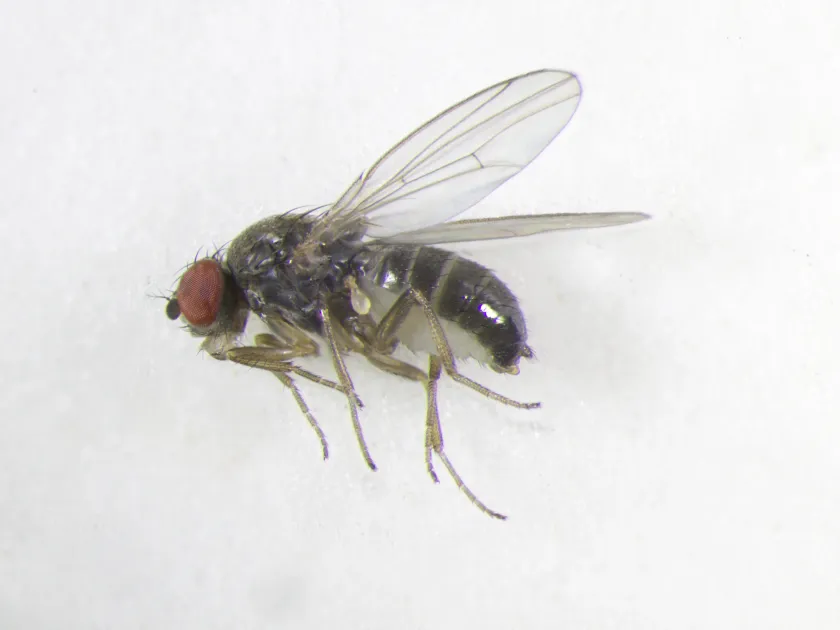
Drosophila subobscura is a small insect species belonging to the family Drosophilidae, order Diptera. Adult flies typically measure between 2 and 3 mm in length, characterized by a yellowish-brown body and distinct red compound eyes.
This species is noted for its high ecological plasticity, enabling it to thrive across diverse temperature ranges within temperate climates. The larvae are typical fly maggots, worm-like in appearance, lacking distinct head structures and equipped with specialized mouth hooks.
Field identification is challenging due to the morphological similarity to other Drosophila species. Agronomists often rely on microscopic examination of male genitalia to confirm the species identity accurately.
The life cycle includes egg, three larval stages, pupa, and adult. Under favorable conditions, the developmental period from egg to adult takes approximately 10 to 14 days, allowing for rapid population growth.
Overwintering usually occurs at the adult stage in sheltered habitats such as plant debris, bark crevices, or outbuildings. As temperatures rise, they emerge to seek food sources and oviposition sites.
What it damages
The primary damage is caused by larvae feeding inside the fruits of various horticultural crops. Key targets include raspberries, strawberries, cherries, and vineyards, where ripening fruit is particularly vulnerable.
Unlike some other pests, Drosophila subobscura can exploit both overripe and slightly damaged fruits, entering through micro-cracks or wounds left by other insects or mechanical injury.
Infestation leads to the breakdown of fruit pulp, rendering the produce unmarketable and unsuitable for fresh consumption. Affected fruits lose turgidity, darken, and are prone to premature abscission.
In addition to direct feeding damage, larvae introduce secondary pathogens such as bacteria and fermenting yeasts. This promotes rapid rot, which is particularly destructive in humid environments.
Economic losses are often more severe during years characterized by warm, wet summers, which provide optimal conditions for multiple generations to infest large fruit orchards effectively.
When it appears
Adult emergence typically begins in mid-spring when average temperatures exceed 10–12°C. Peak activity correlates strongly with the fruit ripening period of target crops.
During the summer, activity is concentrated in the early morning and late evening to avoid the desiccating effects of intense midday sun. Optimal developmental temperatures are between 20°C and 25°C.
The number of generations per season varies by region. In temperate zones, there may be 5 to 7 generations annually, creating a sustained pressure on sequentially ripening fruit crops.
Activity wanes as temperatures drop in the autumn. Flies then seek overwintering sites, often congregating near remaining fruit waste and protected micro-habitats.
Effective monitoring should commence during the flowering stage using pheromone or fermentation-based traps to track population spikes and time interventions appropriately.
Signs of infestation
The first indicator of infestation is the presence of minute puncture marks on the fruit skin. Often, the skin surrounding these punctures softens and undergoes color changes.
Opening an infested fruit reveals white larvae feeding within the pulp. The fruit often emits a distinct acidic, fermented odor due to the microbial processes initiated by the infestation.
Exudation of fruit juice from wounds is common, which attracts other insects, such as wasps, further complicating the field situation and accelerating the spread of rot.
In humid conditions, fungal mold may develop on the surface of puncture sites, which is a strong secondary indicator that the fruit integrity has been compromised by fly larvae.
Visual observation of flies hovering around berry clusters or tree canopies during sunny weather acts as an early warning sign that immediate crop protection measures are required.
Control measures
Sanitation is the cornerstone of control: regular harvesting and the deep burial of all damaged or dropped fruit are essential. Do not leave rotting debris under crop canopies.
- Utilize fine-mesh netting to exclude flies from berry patches.
- Deploy monitoring and mass-trapping devices using attractants like vinegar or wine.
- Ensure timely harvesting to prevent fruit from becoming overripe.
- Use biological control agents during peak flight periods.
Chemical intervention requires careful planning, strictly adhering to pre-harvest intervals for the specific crop. Choose products labeled for fruit fly control to minimize risks to non-target species.
Integrated Pest Management (IPM) strategies, which prioritize monitoring and cultural controls, are the most effective approach for managing Drosophila subobscura while minimizing environmental impact.
By combining rigorous sanitation with timely monitoring and selective interventions, growers can significantly reduce infestation levels and preserve the quality and marketability of their harvest.
Taxonomy
- Latin name
- Drosophila subobscura
- Order
- Diptera (flies)
- Family
- Drosophilidae
- EPPO code
- DROSSB
Discussion
No discussions yet — be the first.