
Drosicha
Drosicha
Description
How to identify
Drosicha is a genus of giant mealybugs belonging to the family Monophlebidae. These insects are characterized by their significant size, with adult females often reaching 10–15 mm in length and being covered by a dense, white waxy or powdery secretion.
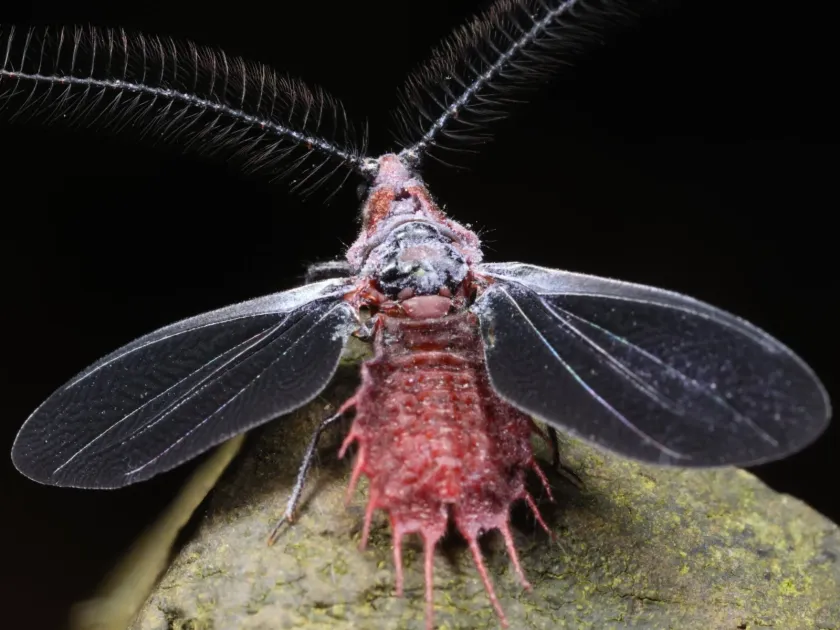
Unlike females, the adult males are winged and resemble small flies, which allows them to move actively within the orchard. The visual identification of females is usually easier, as they form conspicuous white clusters on branches, stems, and leaf petioles.
First-instar nymphs, known as crawlers, are highly mobile and are the primary stage responsible for the initial infestation and spread of the pest within the host plant or to neighboring trees.
Identifying Drosicha is often challenging because they tend to colonize protected areas such as bark crevices, pruning wounds, or the underside of leaves. The white waxy exudate is often the first visible sign of an infestation, masking the true body shape of the insect.
The morphology of these mealybugs includes complex glands that produce large quantities of wax, which acts as a protective shield against desiccation and natural enemies, making them resilient to certain environmental conditions.
What it damages
Drosicha species are generalist feeders and represent a serious threat to a wide range of fruit, ornamental, and forest trees. Primary hosts include citrus, grapes, apples, pears, and various broadleaf trees like oaks and magnolias.
The damage is caused by both nymphs and adults feeding on the phloem sap of the host. Their piercing-sucking mouthparts penetrate the plant tissues, leading to the extraction of essential nutrients and the disruption of vital physiological processes.
Typical symptoms include chlorosis, leaf curling, and premature leaf drop. In severe cases, the infestation causes dieback of young twigs and stunted growth of the entire tree, directly impacting fruit yield and market quality.
A significant secondary problem is the secretion of honeydew, which serves as a substrate for sooty mold growth. This dark fungal layer covers leaves and stems, obstructing photosynthesis and significantly reducing the tree's vigor.
Chronic infestations weaken the plant's immune system, making it more susceptible to opportunistic pathogens and further pest attacks. Without management, heavy infestations can lead to tree death, especially in young or stressed orchards.
When it appears
The life cycle of Drosicha is synchronized with the phenology of the host plant. Overwintering typically occurs as eggs, which are deposited by the female in protected ovisacs located in bark cracks or near the soil line at the base of the tree.
The emergence of crawlers occurs in early spring, coinciding with bud burst. This is the most vulnerable phase of the life cycle and the optimal time for implementing chemical control measures before the insects become established and protected by wax.
During the summer months, nymphs undergo several developmental stages, feeding intensely and increasing in size. This period is marked by high metabolic activity and significant honeydew production, which is often visible throughout the canopy.
Adults typically emerge in late summer or early autumn. Following mating, the females begin to produce the ovisacs for the next season's generation, ensuring the pest's survival through the harsh winter months.
Environmental conditions, particularly warm autumns, can extend the reproductive period of the females, leading to larger egg masses and potentially higher infestation levels in the following spring.
Control measures
An integrated pest management (IPM) strategy is essential for controlling Drosicha. Cultural practices, such as pruning heavily infested branches and scraping loose bark from trunks, help to reduce the population density and eliminate overwintering sites.
Systemic insecticides are most effective when applied during the crawler emergence phase. Products targeting sucking insects are absorbed into the plant's vascular system, providing effective control throughout the canopy.
Horticultural or mineral oils are an excellent option for sustainable management. They work by suffocating the insects on contact and are generally less disruptive to beneficial insects than broad-spectrum synthetic pesticides.
Biological control, utilizing natural enemies like predatory Rodolia beetles (vedalia beetles), can play a crucial role in suppressing populations. Maintaining biological diversity in the orchard helps naturally keep mealybug populations in check.
Monitoring using pheromone traps for males or regular visual inspection is critical for timely intervention. Detecting infestations early allows for localized treatments, reducing the need for broad-scale chemical application across the entire orchard.
Taxonomy
- Latin name
- Drosicha
- Order
- Hemiptera (bugs, aphids, leafhoppers)
- Family
- Monophlebidae
- EPPO code
- DROCSP
Discussion
No discussions yet — be the first.