
Wheat flat mite
Dolichotetranychus australianus
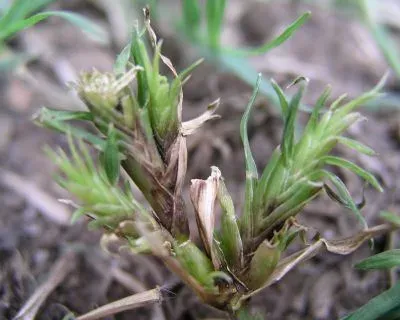
Description
How to identify
The wheat flat mite, scientifically known as Dolichotetranychus australianus, is a minute member of the Tenuipalpidae family, commonly referred to as flat mites.
These mites are characterized by a flattened, reddish or light-brown body, which allows them to thrive in narrow, concealed spaces on host plants.
The life cycle includes the egg, larva, protonymph, deutonymph, and adult stages. Development is highly sensitive to environmental factors, favoring warm and dry conditions for rapid population growth.
They are primarily hidden feeders, typically found under the leaf sheaths of host plants, which makes them difficult to observe during routine field scouting.
Dispersal between plants and fields occurs primarily through wind currents, which carry the microscopic mites, or via contaminated agricultural machinery and tools.
What it damages
This pest mainly affects various grass species and cereal crops, such as wheat and barley, causing damage to the vegetative parts of the plants.
By piercing the leaf tissue with their stylets, the mites extract cell contents, which interferes with the plant's normal photosynthetic activity and nutrient transport.
Severe infestations result in chlorosis, stunted growth, and the wilting of leaves, which can significantly weaken the overall health and vigor of the crop.
The lesions caused by feeding create entry points for secondary pathogens, including various fungal and bacterial infections that further compromise plant vitality.
The economic impact is significant as high mite populations lead to reduced biomass production and lower grain yields, necessitating proactive intervention.
Signs of infestation
The earliest signs of infestation are yellow or brownish spots on the leaves, which indicate areas where the mites have fed intensively.
When inspecting the field, farmers should peel back leaf sheaths to check for the presence of the mites themselves, their discarded skins, or tiny fecal deposits.
Affected plants often show reduced height and vigor, standing out as stunted or chlorotic patches within an otherwise healthy crop canopy.
Deformed leaf tips or curling can occur in heavy infestations, reflecting the physiological stress experienced by the plant tissue.
Unlike spider mites, this species does not produce silken webs, which often causes it to be overlooked during initial inspections by field scouts.
Control measures
Integrated pest management starts with cultural practices, such as controlling grassy weeds that act as reservoir hosts during the off-season.
Chemical control involving systemic acaricides is effective if applied correctly, ensuring that the chemical reaches the hidden areas under leaf sheaths.
Regular field monitoring is essential to detect early outbreaks before they reach critical population thresholds that could cause widespread damage.
Crop rotation and selecting resistant or tolerant varieties can help minimize the risk of infestation and reduce the reliance on chemical pesticides.
Strict phytosanitary measures, including the cleaning of farm equipment, help prevent the spread of the pest from infested fields to clean areas.
Taxonomy
- Latin name
- Dolichotetranychus australianus
- Order
- Mites
- Family
- Tenuipalpidae
- EPPO code
- DOLCAU
Discussion
No discussions yet — be the first.