
Dicheirotrichus
Dicheirotrichus
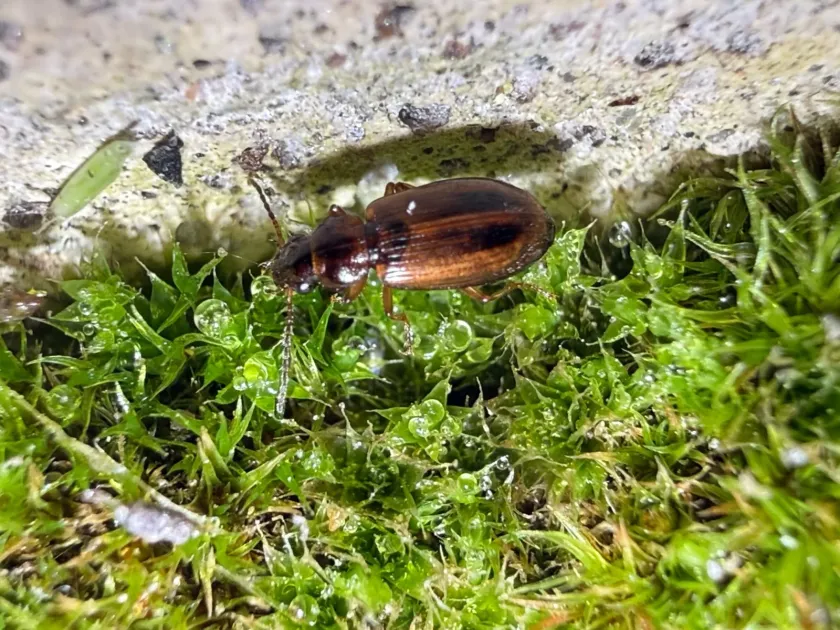
Description
How to identify
Dicheirotrichus is a genus of ground beetles (Carabidae) within the order Coleoptera. These are small beetles, typically measuring between 5 to 8 millimeters in length.
Their bodies are usually dark brown or black, often displaying a subtle metallic luster. The flattened, oval shape of the beetle allows it to move efficiently within soil crevices or underneath plant debris.
The legs and antennae are specialized for rapid movement across the ground surface, making them elusive during daylight hours when they seek shelter from the sun.
Proper identification usually requires entomological trapping methods or microscopic examination of the male genitalia to distinguish between the various species within the genus.
While many ground beetles are beneficial predators, some species of Dicheirotrichus can shift their diet to plant tissues, classifying them as potential agricultural pests under specific conditions.
What it damages
The primary damage is inflicted upon cereal crop seedlings, particularly during the germination and early establishment phases of growth.
Adult beetles and their larvae can consume young stems, gnaw at roots, or feed on the grain embryos, often resulting in sparse stands and reduced crop density.
During periods of drought or when alternative food sources are scarce, the insects are more likely to target crops, causing significant agricultural loss.
Damage often appears in patches throughout the field, where the infestation density is highest, sometimes requiring replanting in the most affected areas.
Consistent feeding on seedlings can lead to stunted growth or the total death of the young plant, significantly impacting the final yield per hectare.
When it appears
The beetles become active in early spring as soil temperatures rise, which coincides with the emergence of cereal seedlings after sowing.
Peak population activity occurs in late spring and early summer, covering the mating period, oviposition in the soil, and the development of the larvae.
The lifecycle generally takes one year to complete, involving the stages of egg, larva, pupa, and adult beetle residing in the soil or ground cover.
A secondary wave of activity can be observed in late summer when the new generation of adults emerges from their pupal chambers.
The insects overwinter as adults, finding refuge in the upper soil layers or beneath thick crop residue on the edges of fields and along ditch banks.
Signs of infestation
The first signs of an infestation include the appearance of thin or missing patches in the crop row, indicating where seedlings have failed to emerge or were consumed.
Close observation of damaged plants often reveals gnawed stems or necrotic tissue near the root zone, which is a hallmark of ground-dwelling pest activity.
In the evening or early morning, active beetles may be visible on the soil surface, providing a direct visual indicator of the pest population present.
Excavating the soil near the base of affected plants frequently uncovers larvae, which confirms that the damage is being caused by Dicheirotrichus.
Monitoring using pitfall traps throughout the growing season helps to track the population dynamics and assess the potential risk to the crop.
Control measures
Effective soil management, such as thorough primary tillage, is essential to disrupt the habitat and lifecycle of the beetle, reducing its overwintering success.
Crop rotation practices help to limit the buildup of pest populations by denying them the specific cereal hosts they prefer for larval development.
Seed treatment with systemic insecticides provides the most reliable protection for germinating seeds and young seedlings against initial beetle attacks.
Chemical intervention during the vegetative stage should be reserved for cases where pest density exceeds the economic threshold to protect beneficial insects.
- Monitor field edges for early signs of migration.
- Maintain clean field borders free of heavy weeds.
- Optimize sowing depth to ensure rapid seedling growth.
Taxonomy
- Latin name
- Dicheirotrichus
- Order
- Coleoptera (beetles)
- Family
- Carabidae
- EPPO code
- DICSSP
Discussion
No discussions yet — be the first.